
Last updated November 15, 2026
 Sweep & inspection
 Caps & crowns
 Flue relining
 Masonry repair
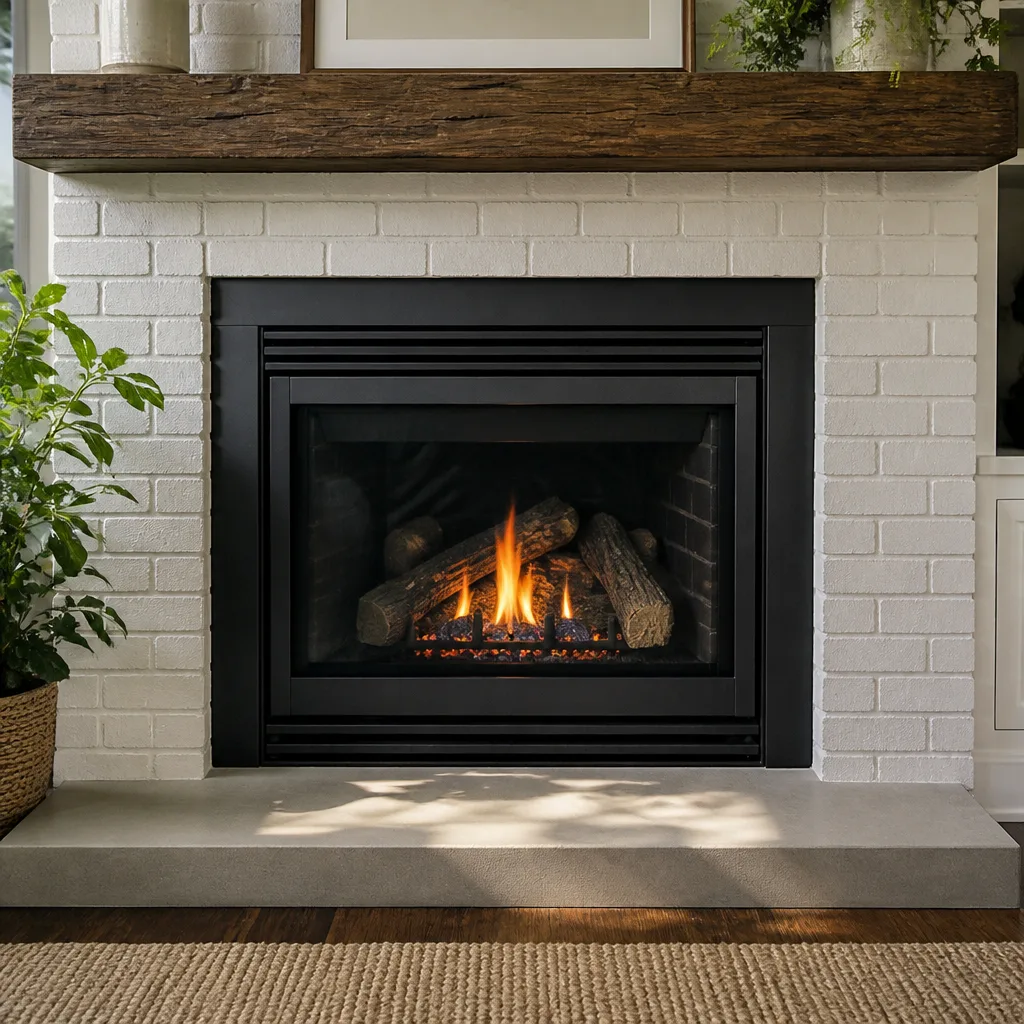 Gas fireplace service
Level 1 sweep and inspection to the NFPA 211 annual standard - flue, crown, cap, and flashing checked and photographed
Chimney sweep logs do not sweep chimneys. They loosen some creosote - which then falls where a brush and vacuum still have to collect it.
DIY vs Professional Chimney Cleaning: The Sunrise Manor Homeowner’s Decision Guide
The brush-and-rod kit sold at hardware stores is real equipment, and it works. That’s the part most guides get wrong in both directions. But that same kit is designed for Stage 1 creosote on a straight flue, and that description fits fewer Sunrise Manor chimneys than homeowners tend to assume. The gap between “possible” and “appropriate” is where the actual risk lives, and it’s almost never visible from the hearth. This guide draws that line precisely: which flue types, liner conditions, and creosote stages make DIY genuinely reasonable, which ones turn it into a hazard, and how to use a home sweep correctly as maintenance between professional inspections.
Quick Answer
DIY chimney cleaning is genuinely appropriate only when you have a straight masonry flue with an intact liner, a light Stage 1 soot-and-flake deposit, no offset or smoke chamber complications, and a chimney you can inspect from the top and the firebox with your own eyes. In every other case, and especially with prefabricated units, gas log conversions, offset flues, or glaze-stage creosote, professional cleaning is the correct call because the cleaning itself is the smaller part of the job. What you’re really paying for is diagnosis, and diagnosis is what a brush on a rod cannot deliver.
Styles & brands we work with
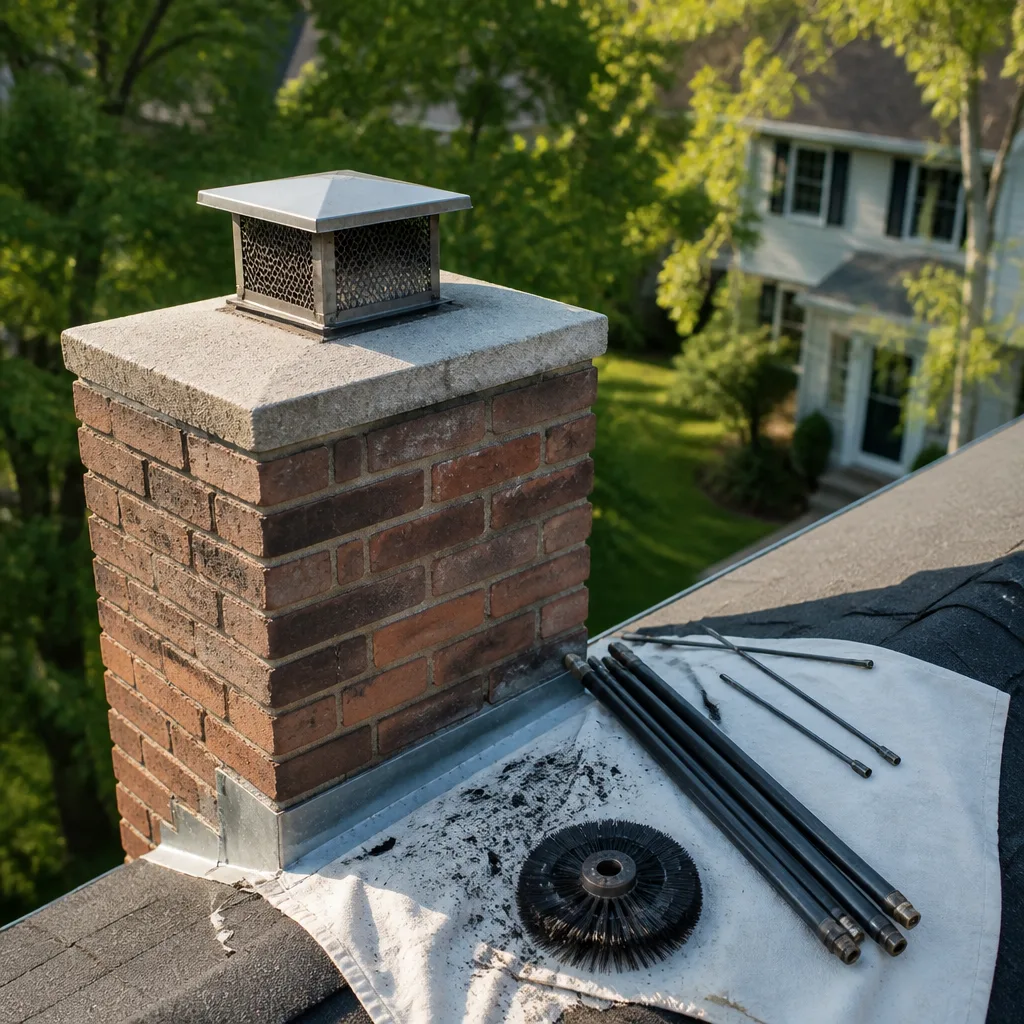
- Sweep & inspection
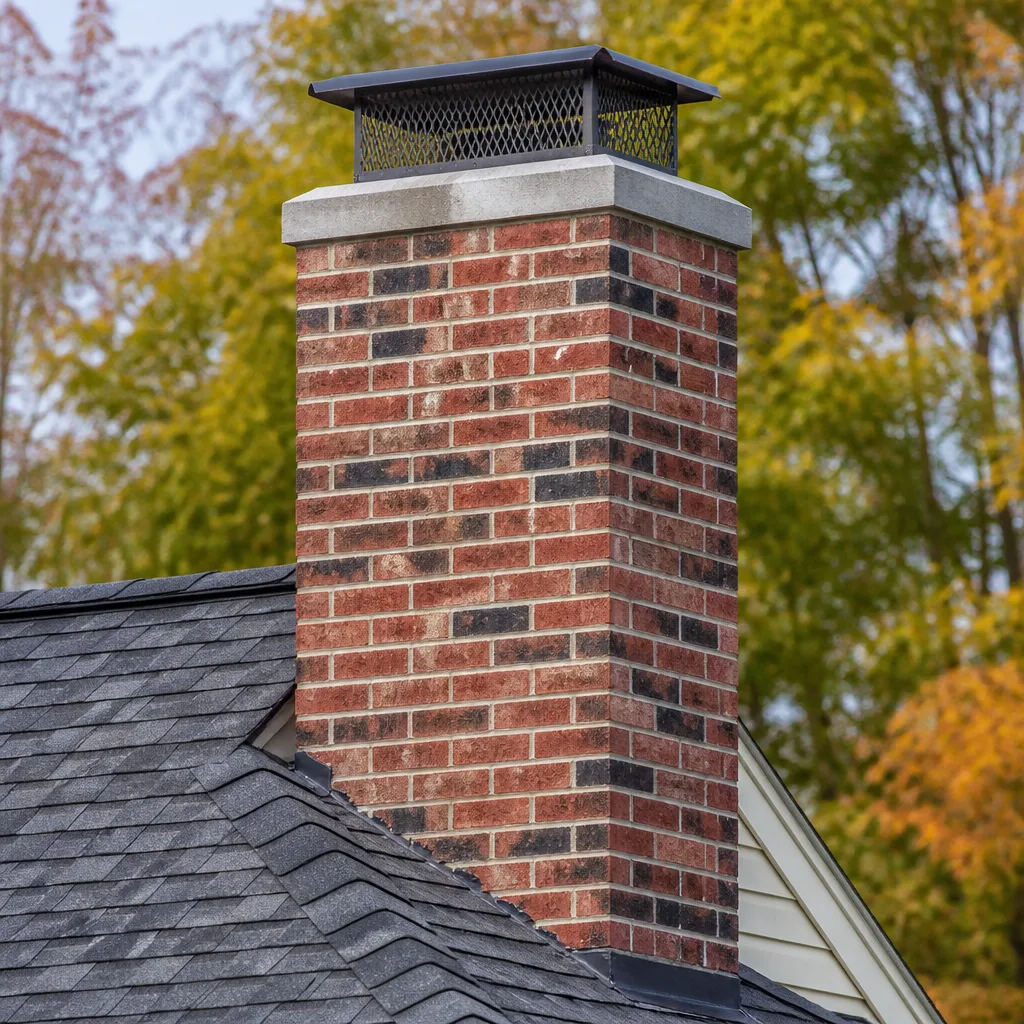
- Caps & crowns
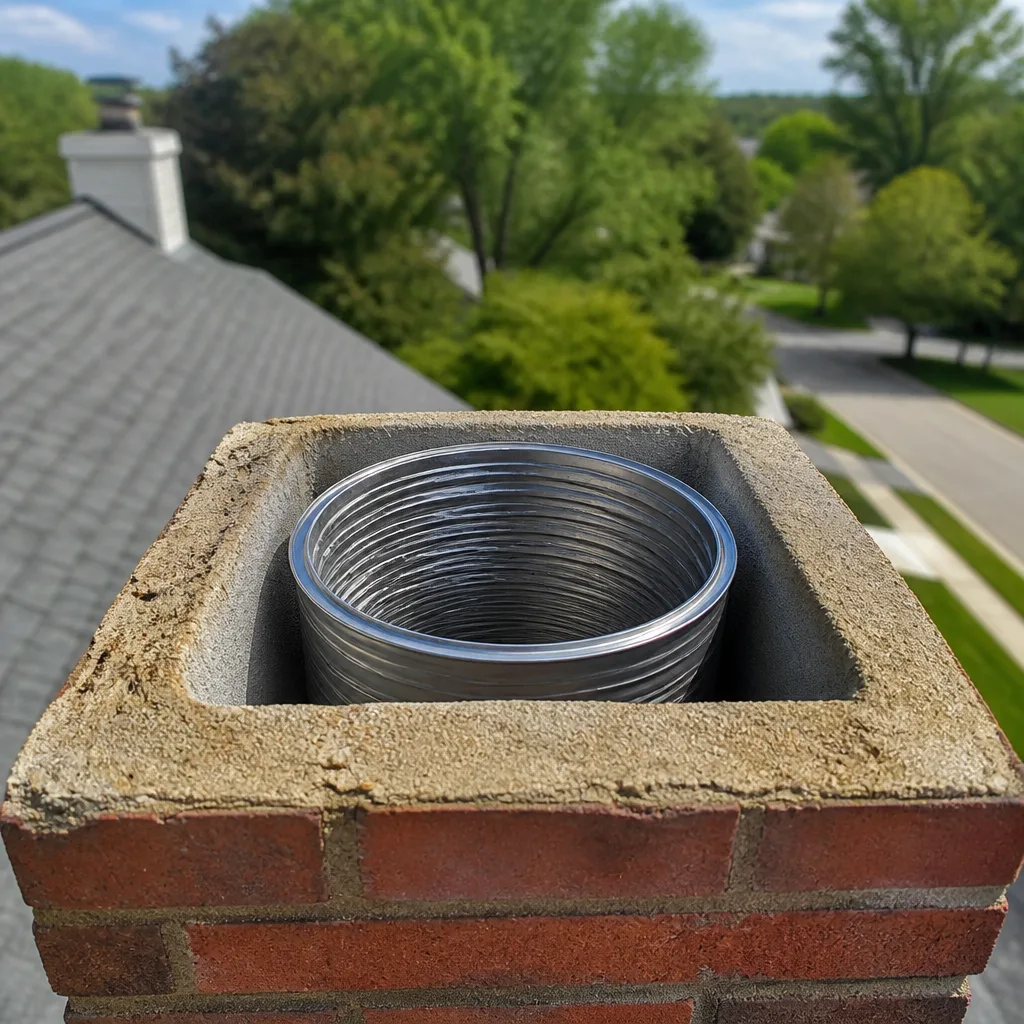
- Flue relining
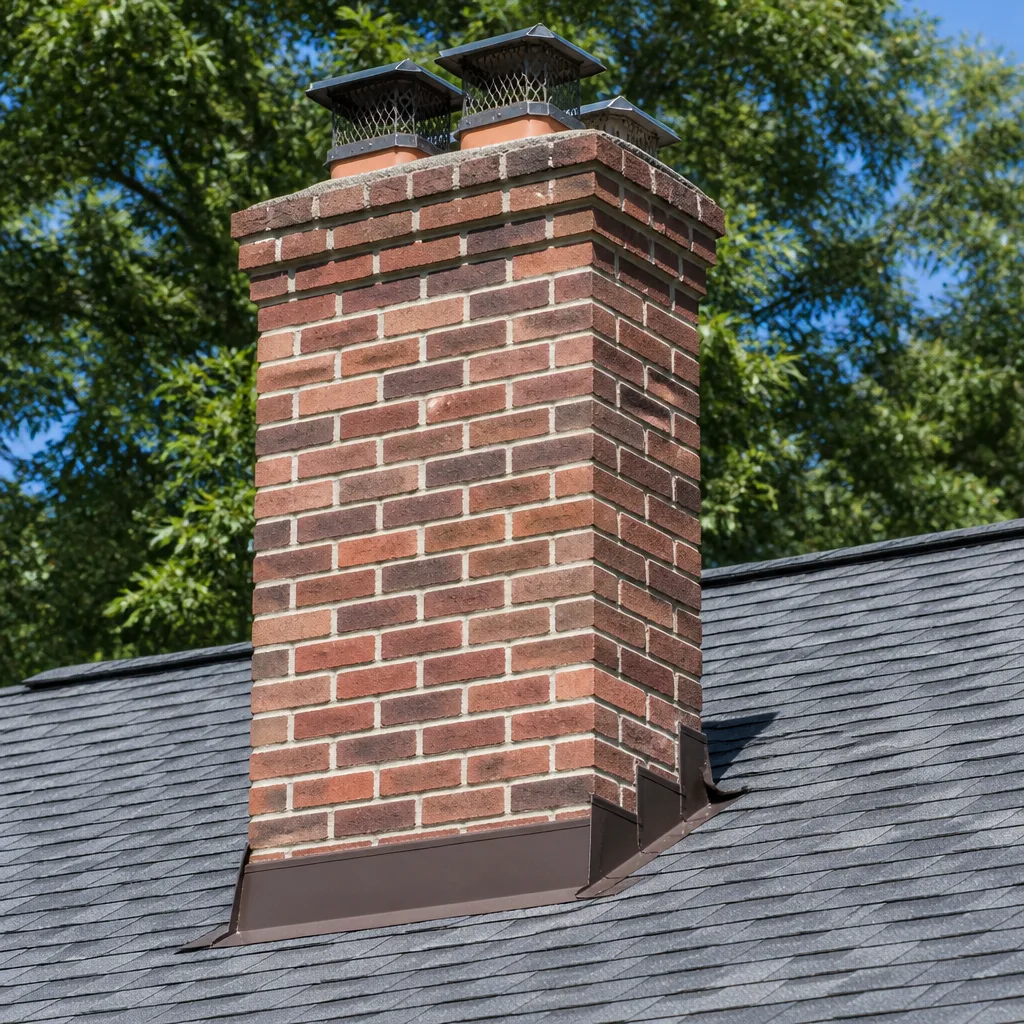
- Masonry repair
- Gas fireplace service
Table of Contents
- The Four Conditions That Make DIY Cleaning Genuinely Appropriate
- What You Cannot Assess Without Inspection Equipment
- When DIY Creates More Hazard Than It Solves
- What Proper DIY Technique Actually Looks Like
- Reading Creosote Stages in a Desert Climate
- Using DIY Cleaning as Maintenance, Not a Replacement
- Why Sunrise Manor Chimneys Draft Differently
- Common Mistakes to Avoid
The Four Conditions That Make DIY Cleaning Genuinely Appropriate
A homeowner who can honestly check all four of these boxes has a legitimate DIY cleaning on their hands. Fewer can than believe they can. Run through this list before you buy anything, and be strict with yourself, because the cost of optimism here is a chimney fire you can’t see until it’s already burning.
- Straight masonry flue. The flue runs vertically from the firebox to the cap with no offset, jog, or bend. An offset flue means a brush on a straight rod will hit the shoulder and stop, leaving the section above it untouched while giving you the false confidence of a “completed” sweep.
- Intact clay tile liner. You can see the tile joints from the top and the bottom, and they’re tight, aligned, and free of spalling, missing mortar, or cracked tiles. A compromised liner is exactly the condition that makes sweeping without repair dangerous, because brushing can loosen material that then sits against combustibles.
- Stage 1 creosote only. The deposit is dry, flaky, and brushes off easily, like soot and ash dust. Stage 2 is tacky or hard and glossy. Stage 3 is glazed and resembles melted plastic. Only Stage 1 is realistic for a home kit.
- Access and visibility at both ends. You can safely get to the top of the chimney, and you can see up into the smoke chamber from the firebox with a strong light. If either end is blind, you’re sweeping blind.
If even one of these fails, the job has moved out of the DIY category. That’s not a sales pitch; it’s the same threshold a trained sweep uses to decide whether a cleaning is a thirty-minute maintenance task or the beginning of a diagnostic conversation. For homes that clear all four, a proper chimney sweep still belongs on the calendar once a year, because the conditions above describe what you can clean, not what you can evaluate.
What You Cannot Assess Without Inspection Equipment
The most important thing a professional sweep does isn’t the sweeping. It’s the inspection, and it happens because the sweep carries a camera, a mirror set, and the trained eye to read what those tools show. A homeowner with a brush sees exactly one thing: whether the brush went up and came down. That’s a mechanical result, not a condition report.
Here’s what sits outside that view:
- Hairline cracks in clay tile. Often invisible from the firebox. A cracked liner lets heat and combustion gases reach framing and insulation, and it’s the most common reason a “clean” chimney is still unsafe.
- Smoke chamber condition. The sloped shelf above the damper collects creosote and is the site of many chimney fires. It’s effectively invisible without a mirror and light, and it’s hard to brush properly from below.
- Flue sizing against the appliance. An oversized flue relative to the firebox or insert cools exhaust too quickly, which accelerates creosote buildup and causes poor draft. You can’t measure this from the hearth.
- Creosote stage in the upper flue. Deposits often vary by height. The lower flue may look like Stage 1 while the top third has glazed.
- Cap, crown, and flashing. Water intrusion from a cracked crown or failed flashing is a structural problem that presents as a draft problem. It’s also the number one cause of masonry damage in Sunrise Manor’s climate.
This is why skipping the inspection step changes the risk calculus completely. A DIY sweep can remove the visible deposit and leave an unsafe condition in place, and the homeowner walks away believing the chimney is fine. That’s a worse position than not sweeping at all, because the false confidence stops you from calling anyone.
When DIY Creates More Hazard Than It Solves
Some chimney types should never be home-cleaned, no matter how confident or careful the homeowner is. These aren’t judgment calls.
Prefabricated and factory-built fireplaces
Prefab units have thinner, more delicate liners than masonry, and the components are specific to the manufacturer. A stiff-bristle brush or a poly brush of the wrong diameter can damage the inner liner, and once that liner is compromised the unit can’t be safely used until it’s relined. This is a case where the correct move is a professional cleaning paired with an assessment of whether the liner has reached the end of its service life. Flexible relining systems like DuraFlex exist specifically to bring these units back to code-compliant performance, and that work needs a trained installer.
Offset and angled flues
A flue with an offset requires flexible rods and directional brushes, and it requires knowing where the shoulder is so you don’t drive a brush into it. Home kits are built for straight runs. If your flue jogs, DIY cleaning leaves an unbrushed section you can’t see.
Gas log conversions
A masonry fireplace converted to gas logs has different cleaning needs entirely. The byproducts are different, the damper position is often fixed, and the unit must be cleaned and serviced to the manufacturer’s spec. Brushing is usually the wrong tool, and many conversions need the burner assembly and log set handled by someone who knows the appliance.
Glazed or glaze-stage creosote
Stage 3 creosote is chemically bonded and hard. A brush will skate over it. Removing it requires chemical treatment and, often, rotary equipment. Attempting it with a home kit can chip off chunks that lodge in the flue, which is a fire hazard you just created.
Consultation points for Sunrise Manor properties
Many Sunrise Manor homes sit in older, established neighborhoods where the chimney was built decades before anyone thought about liner certification. If your home is one of these, the safe assumption is that the flue needs professional evaluation before the first clean, not after. For homes in the area, professional dryer vent cleaning is also on the same calendar, because lint buildup is one of the leading causes of residential house fires and it’s cleaned by the same kind of technician in the same visit.
What Proper DIY Technique Actually Looks Like
If you’ve cleared all four conditions above, this is not a discouragement. It’s an accurate procedure, because a badly executed DIY sweep causes the damage. Do this once a year at most, as maintenance.
- Protect the room first. Drop cloths taped down around the hearth, and seal the firebox opening with plastic and painter’s tape, leaving room to work. Fine soot travels through a house in minutes.
- Gear up correctly. A proper respirator (not a dust mask), safety glasses, gloves, and a headlamp. Soot is a respiratory irritant; the mask matters.
- Prep the firebox. Remove the grate, andirons, and log set. Close the damper and seal it, or work around it carefully so debris doesn’t fall into the living space.
- Start from the top. Sweep downward with the correct brush diameter for your flue. Too large and the brush jams or damages tile; too small and it doesn’t contact the walls. Work in controlled strokes, letting the brush do the work.
- Work the smoke chamber from below with a hand brush and mirror, and clean the damper and shelf thoroughly. This is where most home sweeps fall short.
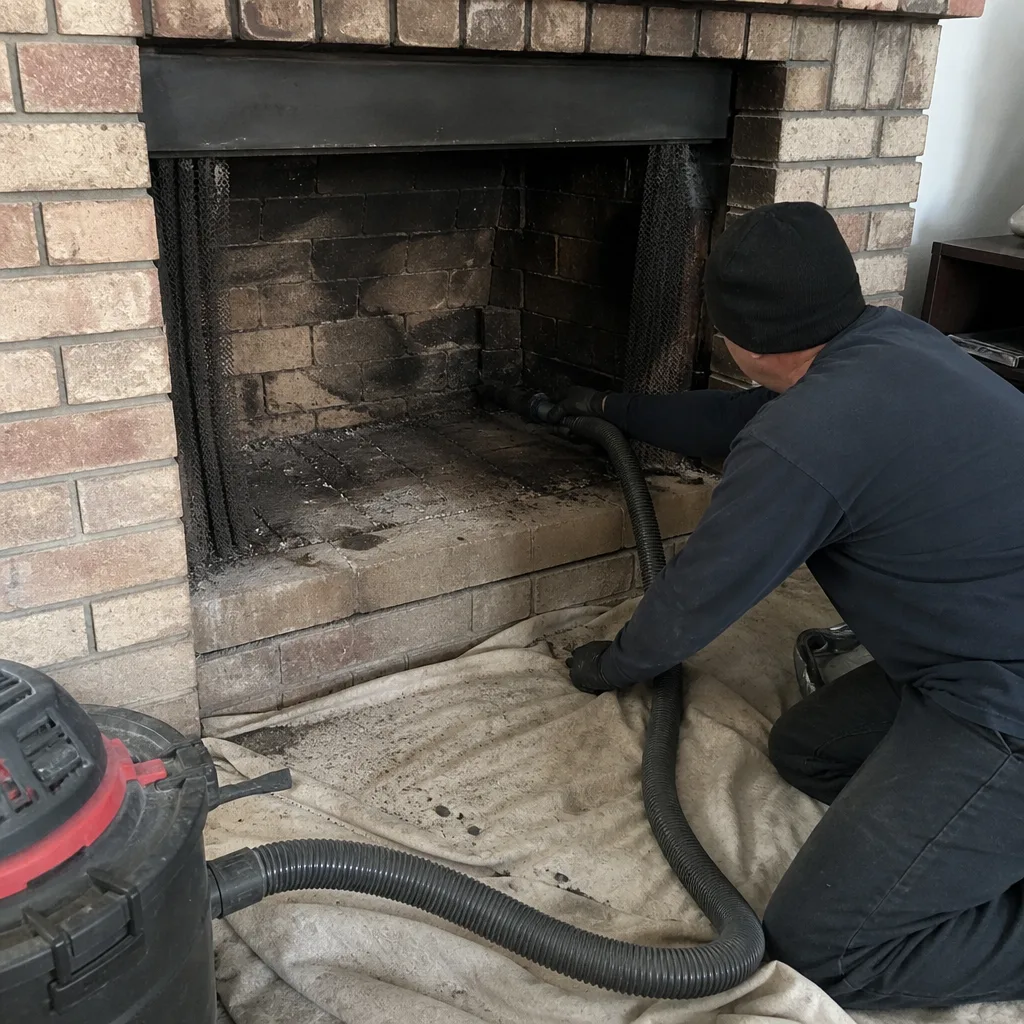
- Vacuum with a HEPA shop vac after brushing, and remove all debris from the firebox and smoke shelf.
- Inspect what you can see with a bright light and mirror at both ends. Anything that looks cracked, loose, or glazed means you stop and call a professional.
That’s the honest version of the DIY job. For homeowners who do it, the tool quality matters: cheap brushes lose bristles, and lost bristles in a flue are a hazard. Professional-grade materials exist for a reason, and the same is true when a sweep uses HeatShield to resurface a deteriorated liner instead of rebuilding.
Reading Creosote Stages in a Desert Climate
Sunrise Manor’s dry desert air shapes creosote differently than cold, wet climates, and that changes the DIY calculus. In a wet climate, chimneys often see heavy, tacky Stage 2 buildup from moisture mixing with smoke. Here, the deposit tends to stay drier and flakier for longer, which means many Sunrise Manor chimneys sit in Stage 1 for years and look fine. The catch: when a homeowner burns green or unseasoned wood, Stage 2 and Stage 3 can still form fast, and the dry air can hide it because there’s no visible dampness or staining.
- Stage 1: Dry, flaky soot. Brushes off. This is the only stage suitable for DIY.
- Stage 2: Tacky or hard, often shiny. A brush will not remove it fully. Needs professional rotary or chemical treatment.
- Stage 3: Glazed, hardened, resembling melted plastic. Highly combustible. Professional only, every time.
One climatic detail specific to Sunrise Manor: summer heat means many chimneys sit unused for months, and the first fire of the season is when accumulated creosote is at its most vulnerable to ignition. That’s the practical reason to sweep in the shoulder season, before burning starts. If you’re evaluating whether DIY is enough, look at the deposit with a bright light before you decide, not after.
Using DIY Cleaning as Maintenance, Not a Replacement
The strongest use of a home kit is as a between-inspections tool, not a substitute for professional service. Here’s the framework we recommend for Sunrise Manor homeowners who want to do both:
- Annual professional inspection and cleaning: one per year, before the burning season. This is where diagnosis happens.
- Mid-season DIY touch-up: if you’ve burned a lot of wood and the deposit is visibly Stage 1, a light home brush in the firebox and lower flue is reasonable preventative maintenance.
- Post-season check: a visual look at the cap, crown, and firebox in spring, before summer heat and monsoon-season moisture get at any cracks.
The distinction matters because the professional visit is the only one that produces a real condition assessment. A home sweep keeps things tidy between those visits; it doesn’t replace the diagnostic layer. And when that assessment finds something, you want a company that does the work in the same visit, not a sweep who hands you a note and leaves. HeatShield and flexible DuraFlex liner systems let a trained technician restore a flue without a full rebuild, and those decisions belong to the technician who just inspected the flue. If you’re considering a professional first visit, Paragon Chimney Sweep is a reasonable place to start, because the same technicians who sweep also diagnose and repair.
Why Sunrise Manor Chimneys Draft Differently
Sunrise Manor sits at elevation in a desert valley, and that changes how a chimney drafts in ways that matter to the DIY question. Homes here often run tightly sealed for efficiency, and a well-sealed house in winter can pull a draft backward down a cold flue. That backdraft pushes cold air and any creosote smell into the living space, and it’s a common reason a homeowner decides to sweep the chimney themselves in the first place. The problem isn’t the soot; it’s the temperature difference and the pressure balance.
There’s also the wind. Valley wind patterns and the exposed orientation of many rooftops mean caps and crowns take a beating, and a cracked crown lets water in that slowly degrades the liner. That’s a repair problem, not a cleaning problem, and no brush on a rod solves it. If your chimney smells, smokes, or struggles to draft in Sunrise Manor, the correct order of operations is inspection first, cleaning second, repair if needed. Our technicians have up to experience reading these local signals, and the diagnosis comes before the recommendation every time.
One more note on the neighborhood context: Sunrise Manor includes established residential areas with a mix of masonry fireplaces and prefab inserts, and the homes don’t all share the same flue construction. Assuming yours matches a video tutorial you watched is the most common way homeowners get the flue type wrong. Take a photo from the top and from the firebox, and match what you see to the four conditions above.
Common Mistakes to Avoid
- Sweeping without inspecting first. A cleaning is a mechanical task; an inspection is a diagnosis. Doing the second before the first keeps you from treating a cracked liner as a soot problem.
- Judging creosote stage from the firebox alone. The upper flue is often the most dangerous and the least visible. Glaze at the top is common in Sunrise Manor’s dry air because the deposit dries hard before it looks serious.
- Using the wrong brush diameter. Too large and it jams or damages tile; too small and it doesn’t touch the walls. Flue size varies by home, and a generic kit is a guessing game.
- Assuming prefab equals masonry. Prefab liners are thinner and manufacturer-specific. Home brushing risks the liner, and a compromised prefab liner means the fireplace can’t be safely used.
- Ignoring the crown and cap. Water damage from a failed crown or flashing is the leading cause of masonry deterioration here, and it looks like a draft problem from inside.
- Buying a cheap kit and calling it professional-grade. Bristles shed, rods bend, and the brush may not be the right material for your flue. The trade-off is a damaged liner and a call you should have made first.
- Sweeping after the first fire of the season. The safest time is before, when accumulated creosote hasn’t yet been exposed to ignition temperatures.
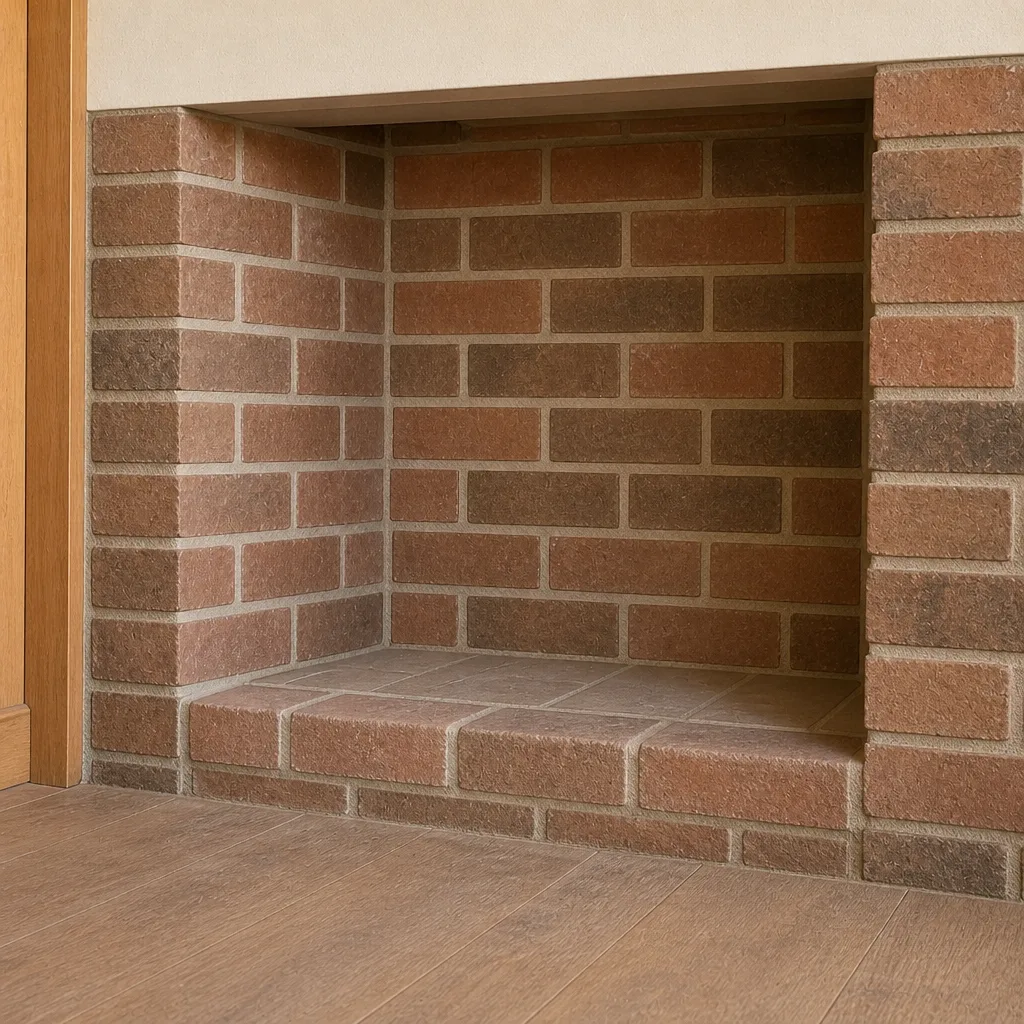
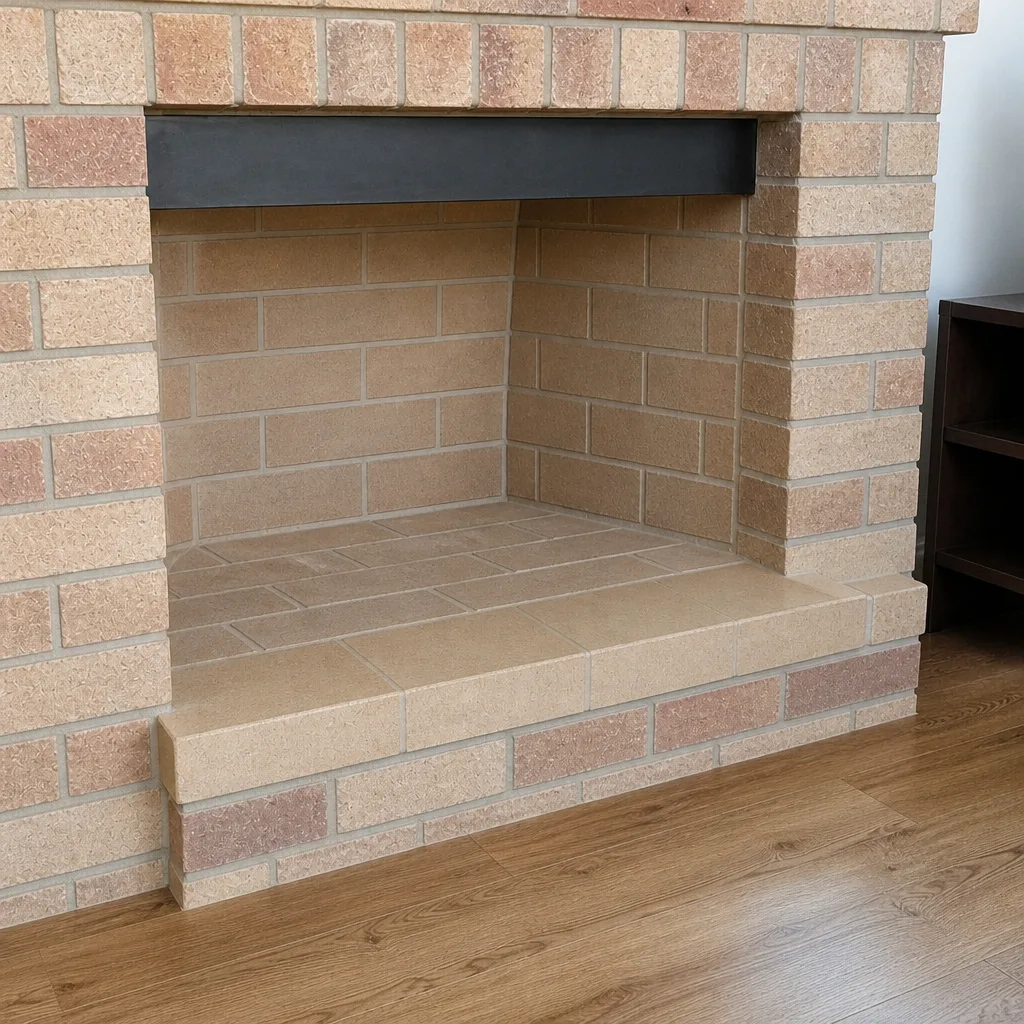
See the difference
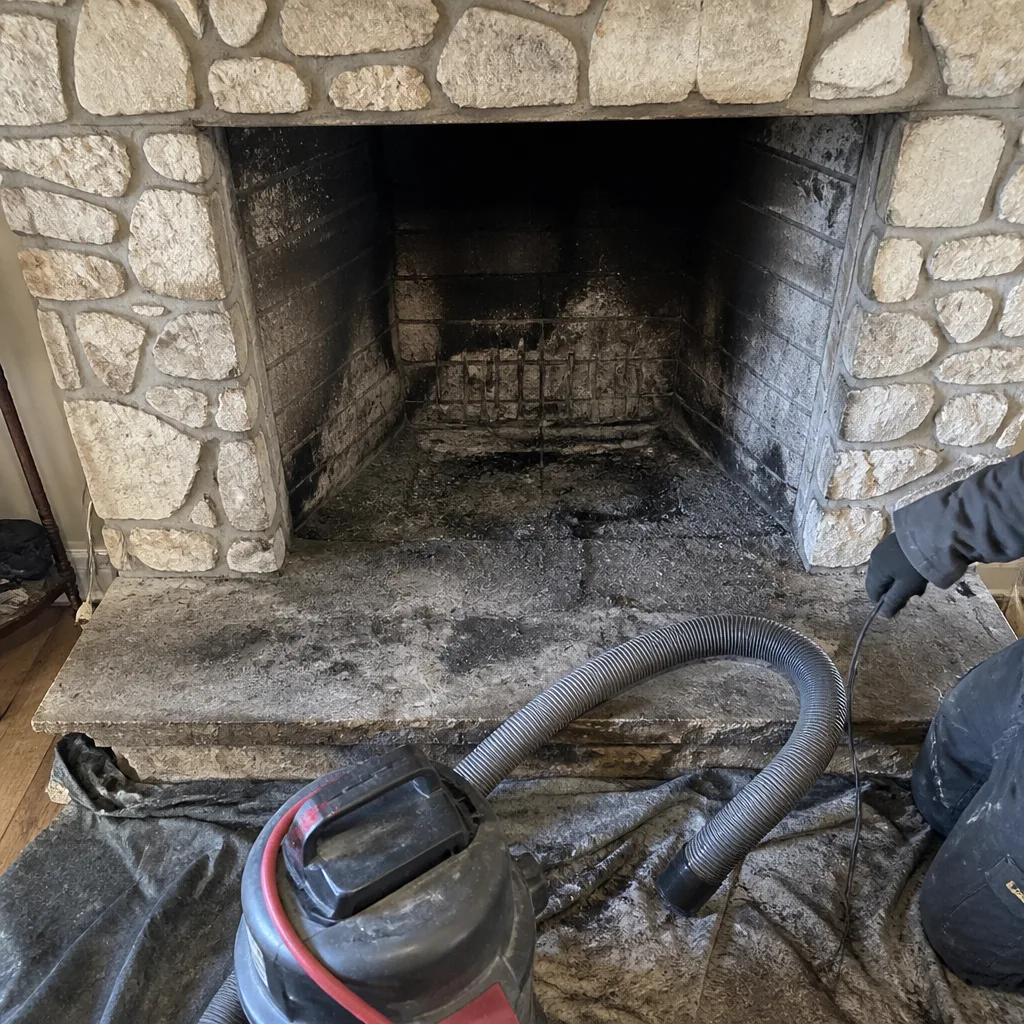 Before
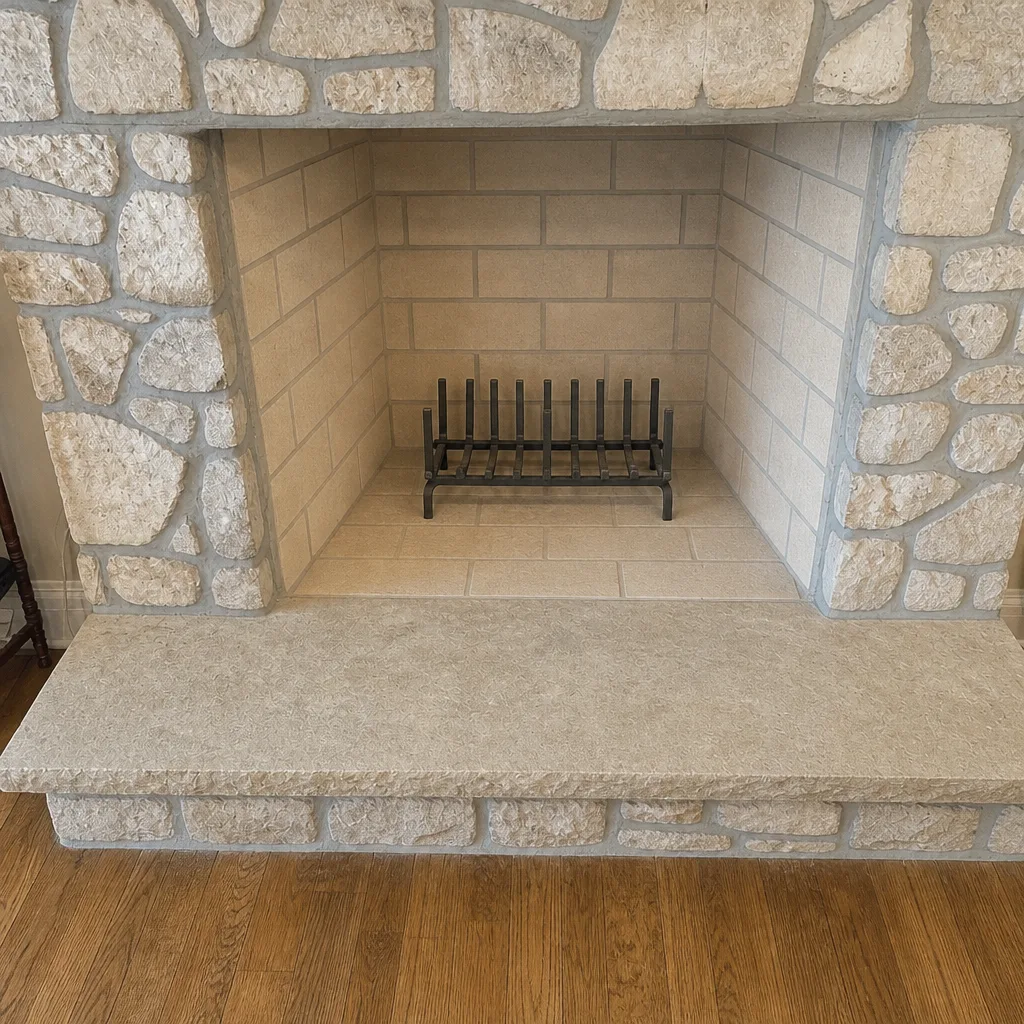 After
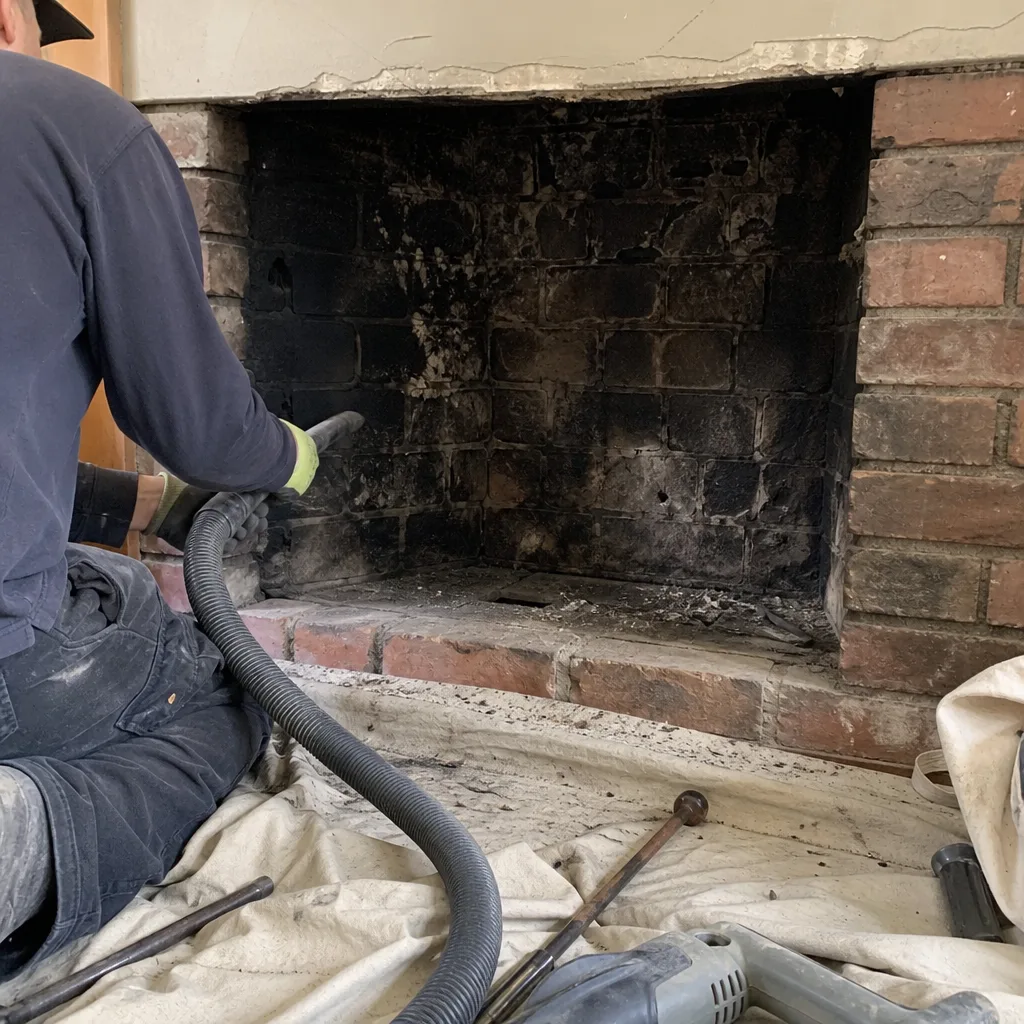 Before
 After
 Before
 After
When to Call a Professional
Call a professional, without attempting a home sweep, when any of the following is true: the flue has an offset; the liner is prefab or you can’t confirm it’s intact; the fireplace is gas converted; the deposit is Stage 2 or Stage 3; the chimney smells, smokes, or drafts poorly; the cap or crown looks cracked; or you simply can’t see both ends of the flue with your own eyes. Those conditions mean the cleaning is a diagnostic task, and a brush won’t do it. Paragon Chimney Sweep offers free estimates in Sunrise Manor, and the written estimate sets the final price. We can work with your insurer where repair coverage is a question, and nothing is recommended without evidence you can see for yourself. Call (833) 486-5098. We answer 24/7. Fast dispatch from 7am to 7pm, Sunday through Friday.
Frequently Asked Questions
Yes, if you have a straight masonry flue with an intact liner, light Stage 1 soot, and clear visibility at both the top and the firebox. In that specific case, a proper brush-and-rod kit is real equipment and a careful home sweep is reasonable maintenance. If any of those conditions fails, professional cleaning is the correct call, because the cleaning is a diagnostic task, not a brushing task. Call (833) 486-5098 for an exact quote, and estimates are free.
Cleaning is priced per job by the written estimate, based on flue type, creosote stage, and access. It’s not a flat sticker price, because a straight masonry flue and a prefab unit with glazed creosote are different jobs. The same is true for repair, whether that’s a HeatShield resurfacing or a DuraFlex reline. Call (833) 486-5098 for an exact quote, and estimates are free.
You don’t, and that’s the honest answer. A homeowner can see soot; a trained sweep sees cracked tile, a failing crown, and a glazed upper flue that a light won’t reach. The experience our technicians bring is what turns a brush on a rod into a real condition report. If you haven’t had an inspection in the last year, schedule one before burning. Call (833) 486-5098 to book it, and estimates are free.
Yes, gas fireplaces need professional cleaning and servicing to the manufacturer’s spec, but they need it done differently than wood-burning units. Brushing is usually the wrong tool. Gas log conversions belong on a professional service schedule, not a DIY one, and that’s a case where home cleaning creates more problems than it solves. For scheduling, call (833) 486-5098. We answer 24/7.
No. A DIY sweep is a maintenance task between professional inspections, not a substitute. It keeps the visible deposit under control, and it does nothing about diagnosis, which is where the real safety work happens. An annual professional visit, with camera inspection and a photo report you can review, is what keeps a fire-safe home in Sunrise Manor. Call (833) 486-5098 for a free estimate.
Creosote accumulates, and at Stage 2 and Stage 3 it becomes combustible. That’s the chimney fire risk, and carbon monoxide can also build up if the flue is blocked or damaged. Neither outcome is visible from the hearth. Skipping a cleaning doesn’t mean the chimney stays safe; it means you stop knowing. Call (833) 486-5098 for an inspection, and estimates are free.
The Bottom Line
DIY chimney cleaning is real work in a narrow category, and inappropriate in every other. The four conditions are the line: straight masonry flue, intact liner, Stage 1 creosote, and visibility at both ends. If you can’t confirm all four, the brush won’t help and may make things worse, especially with prefab units, offset flues, and gas log conversions. Sunrise Manor homes, with their older construction and dry desert air that hides creosote stage, are more likely than not to need professional diagnosis on the first visit. Keep a home sweep as maintenance if you qualify. Book the professional annual, before the burning season, so you’re not guessing.
If you’d rather skip the guesswork, whether that’s a Sunrise Manor inspection, a repair, or a full-scope visit that includes the dryer vent on the same trip, we’re set up for all three services under one roof. Nothing gets handed off. Paragon installs and works with professional-grade brands including Copperfield, HeatShield, DuraFlex, and Gelco, the lines trained specialists use, and the repair work is performed by the same technicians who sweep. Call (833) 486-5098 for a free estimate. We answer 24/7. Fast dispatch from 7am to 7pm, Sunday through Friday. A call outside dispatch hours is booked into the next opening.
Written by the team at Paragon Chimney Sweep.