
Last updated November 15, 2026
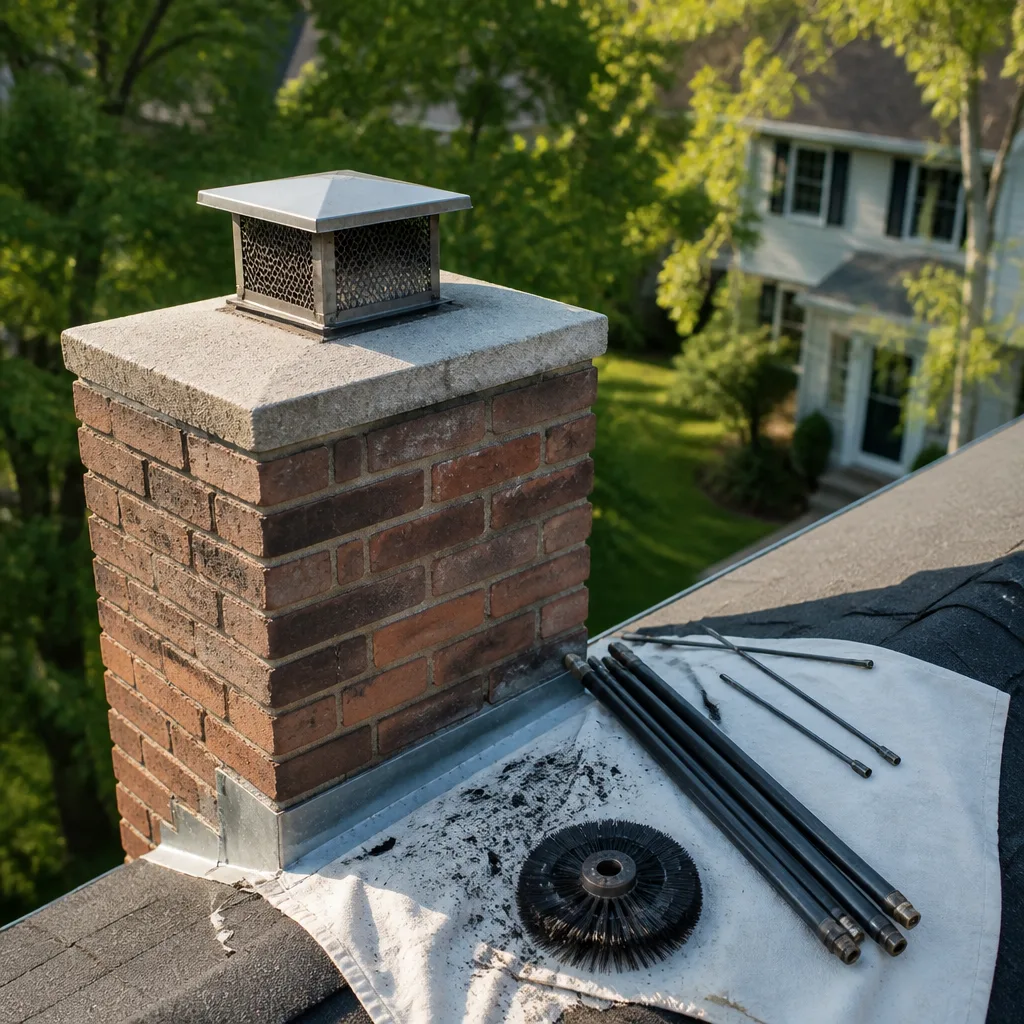 Sweep & inspection
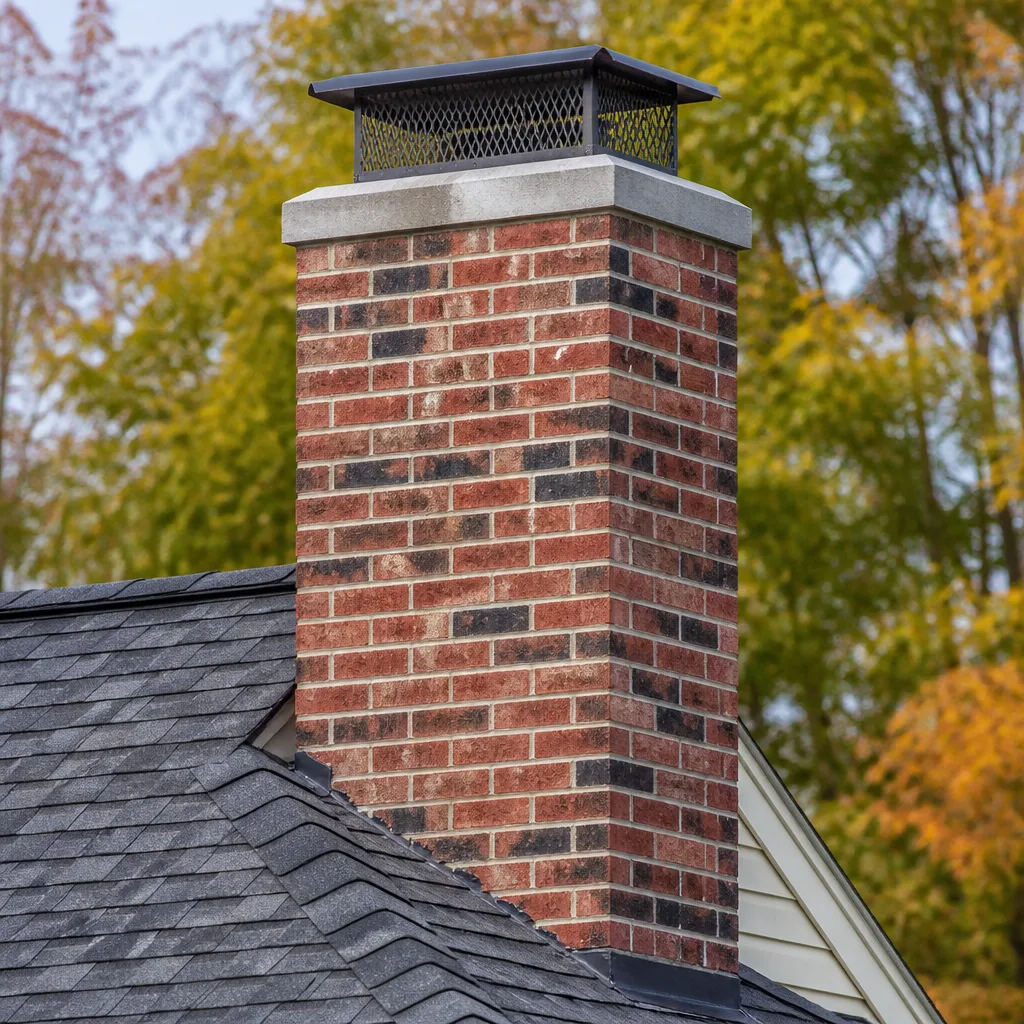 Caps & crowns
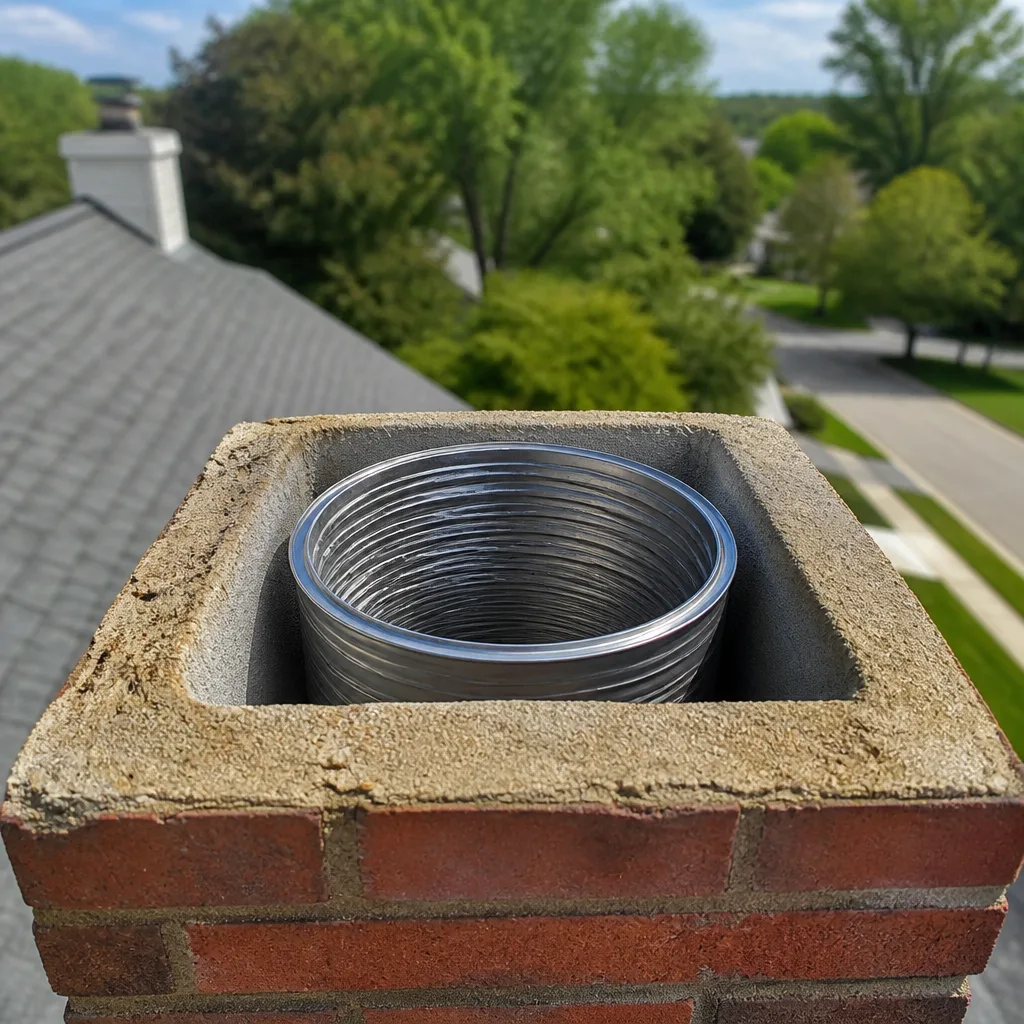 Flue relining
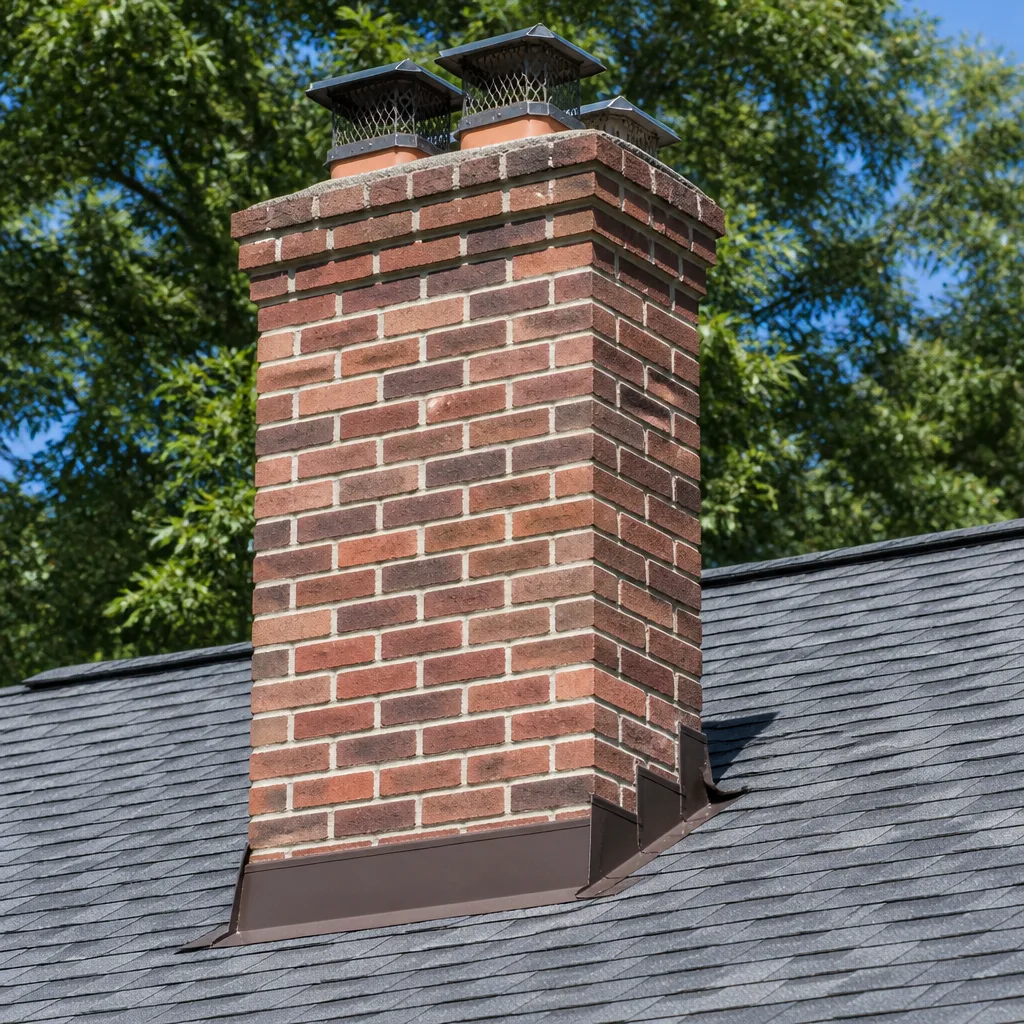 Masonry repair
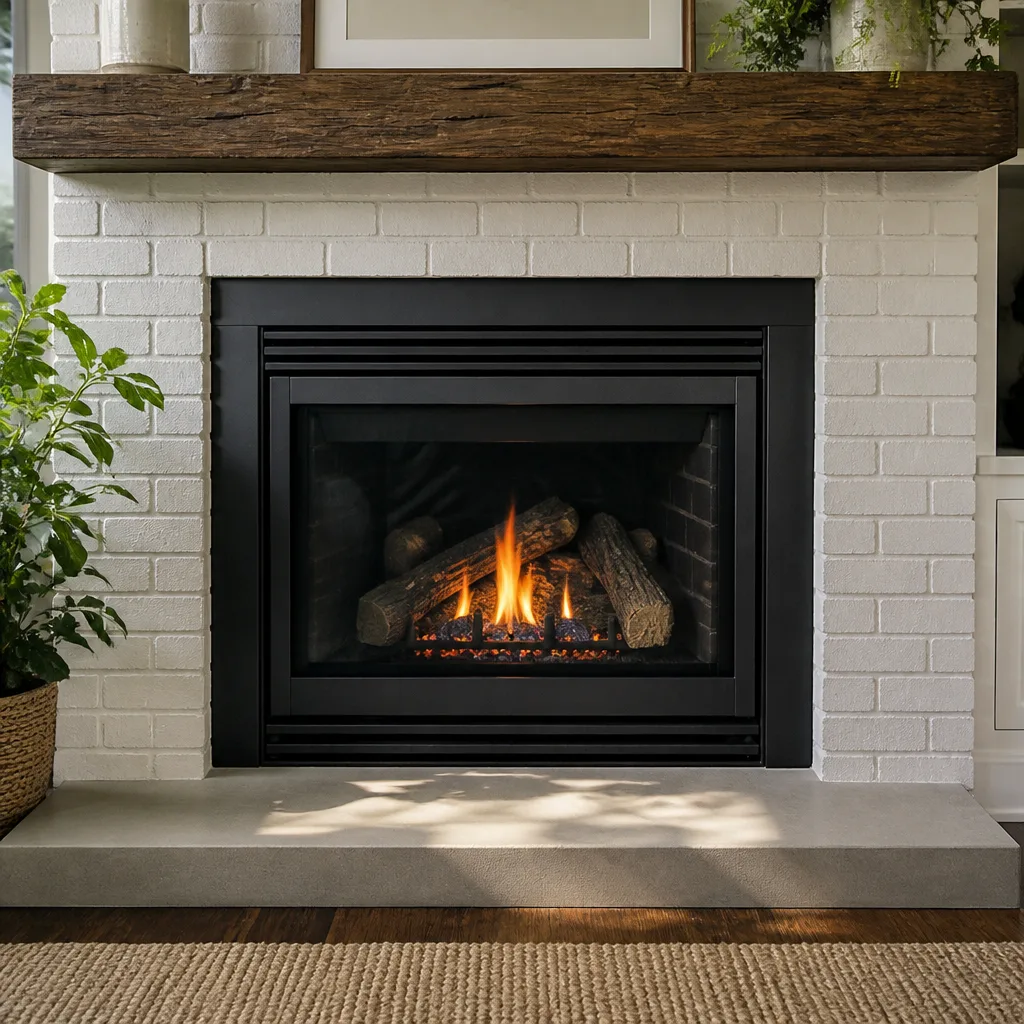 Gas fireplace service
Level 1 sweep and inspection to the NFPA 211 annual standard - flue, crown, cap, and flashing checked and photographed
Chimney sweep logs do not sweep chimneys. They loosen some creosote - which then falls where a brush and vacuum still have to collect it.
Chimney Cleaning Permits, Codes & Inspections in Sunrise Manor, NV: What You Need to Know
Here’s a fact that surprises a lot of homeowners: Nevada doesn’t require a permit to clean a chimney. It’s the repair that follows a bad inspection that needs one, and most people find that out years after the work is done, usually during a sale, a refinance, or an insurance claim. That gap is where problems live. If a flue was relined, a crown replaced, or a firebox rebuilt without a permit in Sunrise Manor, the improvement may never have passed a code check, and that omission can follow the property. This guide walks through exactly where the regulatory line sits in Sunrise Manor, what triggers a permit under Clark County rules, how NFPA 211 fits into Nevada inspections, what the law expects when a home changes hands, and how to fix an unpermitted past before it costs you.
Quick Answer
Routine chimney cleaning in Sunrise Manor does not require a permit. Structural chimney repairs, liner replacement, and any alteration to the flue or firebox generally require a building permit through Clark County, and the work must meet NFPA 211, the national standard Nevada inspectors reference. A Level 2 inspection is expected whenever a home changes ownership, and unpermitted chimney work can complicate both an insurance claim and a title transfer.
Styles & brands we work with
- Sweep & inspection
- Caps & crowns
- Flue relining
- Masonry repair
- Gas fireplace service
Table of Contents
- Does chimney cleaning need a permit in Sunrise Manor?
- Which chimney services trigger a Clark County building permit?
- How NFPA 211 works as the standard behind Nevada inspections
- What a Level 2 inspection involves when a home sells in Nevada
- How unpermitted chimney work affects a fire insurance claim
- Bringing a previously repaired chimney into code compliance before a sale
- Why Sunrise Manor’s climate stresses a chimney differently
- What documentation a Sunrise Manor homeowner should keep
Does chimney cleaning need a permit in Sunrise Manor?
No. A standard chimney sweep in Sunrise Manor does not require a permit from Clark County or any other jurisdiction. Sweeping is maintenance: it removes creosote, soot, and blockages from an existing flue without changing the structure or the flue’s dimensions. Maintenance doesn’t need a sign-off because nothing about the system’s code compliance has changed.
Where homeowners get confused is the gray zone. A sweep often turns up a cracked flue tile, a failing crown, or a firebox with deteriorated mortar, and the repair that follows does require permitting because it alters the chimney’s function and structure. A cleaning visit and a repair visit are two different regulatory events even when they happen on the same day. That distinction matters before you authorize anything.
Permit rules also live at the local level, and Sunrise Manor falls under Clark County’s building department for permitting purposes. Departments revise their requirements from time to time and each job can raise its own question, so we always tell homeowners to confirm directly with the county before work begins rather than assuming a rule from a forum post is current. If a contractor tells you a liner replacement never needs a permit, get that in writing and check it yourself.
We handle the diagnosis during a chimney sweep, so you know what actually needs doing and whether it crosses into permit territory before anyone touches the flue.
Which chimney services trigger a Clark County building permit?
Anything that changes the chimney’s structure, flue material, or firebox configuration generally needs a permit. Cleaning, inspection, cap installation, and minor hardware replacement usually don’t. If a service could affect how the chimney vents or how the firebox contains a fire, treat it as a permitted scope until the county says otherwise.
Here’s how the line usually falls:
Typically no permit required
- Standard chimney sweeping and creosote removal
- Visual Level 1 inspection
- Installing or replacing a chimney cap
- Replacing a damper or door gasket on the firebox
- Minor mortar repointing at the firebox face where the flue itself is untouched
Generally requires a permit
- Installing a new flue liner, whether a flexible stainless system or a cast-in-place application
- Relining a masonry chimney with a HeatShield resurfacing system
- Rebuilding or replacing a chimney crown or the top few courses of masonry
- Firebox rebuild or the installation of a wood-burning insert with new venting
- Chasing and flashing a new chimney through a roof
- Any structural change that affects clearances to combustibles
Notice that the two most common repair options we use fall on the permit side: a DuraFlex flexible liner install and a HeatShield flue restoration both count as flue alterations. That’s a good thing because it means the work gets inspected, but it also means the process needs to be planned, not improvised.
How NFPA 211 works as the standard behind Nevada inspections
NFPA 211, the Standard for Chimneys, Fireplaces, Vents, and Solid Fuel-Burning Appliances, is the technical benchmark underlying most chimney inspections in the U.S., and Nevada inspectors apply its provisions when they review permitted repair work. It isn’t a law the homeowner cites; it’s the standard the inspector measures against. That’s why a liner that looks fine to the eye can still fail inspection if it doesn’t meet NFPA 211’s clearance and temperature-rating requirements.
The parts of NFPA 211 that matter most in Sunrise Manor:
- Flue liner integrity. The liner must be continuous, sealed at the joints, and free of cracks or displaced sections. Missing or damaged tile can’t be ignored.
- Clearances to combustibles. Minimum distances from the chimney’s exterior to wood framing and other combustible material. Older homes sometimes fail this by design, which is why a modernization step is often needed.
- Chimney height and termination. The chimney must extend above the roof by the standard’s specified distance and terminate above nearby roof penetrations so flue gases vent cleanly.
- Inspector’s role. A Level 2 or Level 3 inspection opens the doors, attic space, and accessible areas of the house to check the flue and clearances, not just the firebox.
When we reline a chimney with DuraFlex or restore a spalled liner with HeatShield, we’re working to NFPA 211, not just to what fits. That matters because the county inspector reads the same standard, and a job built to it passes the first time. The Paragon Chimney Sweep standard is the same principle applied to a routine cleaning: no shortcuts, no “close enough,” no materials that fail the standard’s provisions.
What a Level 2 inspection involves when a home sells in Nevada
A Level 2 inspection is a broader, more technical inspection than a sweep visit, and in Nevada it’s the one real estate transactions expect when a chimney is involved. It covers all accessible portions of the chimney, including the attic and crawl space, and while a video scan isn’t always strictly mandatory, it’s the accepted way to see the full interior of the flue. Sellers who skip it find out during escrow. Buyers who skip it find out after they move in.
The Level 2 inspection is triggered by more than a sale, though. NFPA 211 requires it after any change in the fuel type or appliance, after an event that could damage the chimney (a flue fire being the obvious one), and after a significant weather event. In Sunrise Manor, a sale is the most common reason; a flue fire or an appliance change is the second.
The process typically looks like this
- Access. The technician opens the firebox, the damper, the accessible attic space, and the roof cap area.
- Visual and video scan. A camera run down the flue catalogues cracks, gaps, displaced tile, and creosote buildup.
- Clearance check. The distance from the chimney to framing and combustibles is measured, not eyeballed.
- Written report. Findings are documented so they can be shared with a buyer, a seller, an insurer, or an inspector.
We hand over the findings in writing, because a Level 2 report is only as useful as the homeowner’s ability to act on it. If the report comes back clean, you’re done. If it flags a liner defect, the next step is a permitted repair, not a verbal “it’s fine.”
How unpermitted chimney work affects a fire insurance claim
A homeowners policy generally expects the home’s systems to be maintained to code and to be disclosed accurately when the policy is written. If a fire starts in a chimney that was relined without a permit, the insurer can challenge the claim on the grounds that an undisclosed defect or an unreported alteration existed at the time of loss. This isn’t a scare tactic; it’s how a lot of disputed claims start. The policy isn’t voided automatically, but the path to payout gets longer and sometimes ends in denial.
The mechanics of the problem:
- Undisclosed alteration. A liner replacement is a material alteration to the home’s venting system. Almost all policies require that alterations be disclosed when coverage is bound.
- No inspection record. Permitted work generates an inspection record. Unpermitted work generates nothing, so there’s no third-party confirmation the installation was code-compliant.
- Documentation gap at the worst time. An adjuster investigating a fire will ask for the permit, the inspection, and the installer’s documentation. If none exists, the burden shifts to the homeowner.
We can work with your insurer on the documentation side, and we keep the reports we produce clear enough that they’re usable in a claim file without translation. The simplest protection is to do the work under permit the first time. If a past repair is in question, a Level 2 inspection with a written report is the only reliable way to know whether the job was done to standard.
Bringing a previously repaired chimney into code compliance before a sale
If a chimney was repaired years ago without a permit and the house is about to go on the market, the step is to document the current condition, then correct anything that doesn’t meet code through a permitted scope. You don’t need to demo the whole chimney. The goal is to have a permit history and an inspection sign-off that a buyer’s inspector, a lender’s appraiser, and an insurer can all reference.
The usual sequence:
- Commission a Level 2 inspection. A full visual and video report establishes what’s actually there, regardless of what anyone said was done in the past.
- Compare against NFPA 211. The report is scored against the standard’s provisions: liner integrity, clearances, termination, and firebox condition.
- Identify the corrective scope. What needs a permit and what doesn’t. Often a reline or a HeatShield restoration plus crown repair is the whole story.
- Apply for the permit through Clark County. The permitted scope is submitted by the contractor, and the county reviews it before work starts.
- Complete the permitted work and pass inspection. The county inspector reviews the installation against the submitted scope and issues a sign-off.
- Record and retain the documentation. Keep copies of the permit, the inspection sign-off, and the installation report. They’re what you hand to a buyer and an insurer.
Start this process early. A surprise during escrow is a negotiation problem; a surprise you fix in advance is not.
Why Sunrise Manor’s climate stresses a chimney differently
Sunrise Manor’s desert climate is hard on masonry in a way that coastal and wetter climates aren’t. The wide swing between daytime heat and cool nights works the mortar and the masonry shell through constant thermal expansion and contraction, and the low humidity dries the exterior faster than the interior, causing the joint to move more than it would in a steady climate. Cracks in the crown and the flue tile that would take years to develop elsewhere can show up sooner here.
That matters for permitting because it shifts the balance from cleaning toward repair. In a wet climate, the chimney’s problem is usually water and creosote. In Sunrise Manor, the problem is often thermal fatigue, spalling at the crown, and hairline cracking that a Level 1 visual won’t catch. You don’t necessarily see it; you confirm it with a camera and a Level 2 inspection, or you live with it until a fire, a sale, or an insurance event confirms it for you.
We see the same pattern on `Sunrise Manor` homes across the neighborhood’s older masonry stock: the firebox looks fine, the crown is cracking, and the flue tile has moved. A sweep catches the smoke problem. The inspection catches the structural problem, and the structural problem is the one the county care abouts come permit time.
What documentation a Sunrise Manor homeowner should keep
Every chimney service, whether it’s a cleaning, an inspection, or a permitted repair, should leave a paper or digital trail. The homeowner who keeps the trail wins arguments with insurers, buyers, and contractors. The homeowner who keeps none usually ends up paying for the same work twice, once without a permit and once with.
What to keep on file:
- Cleaning records. Date, findings, and any notes on creosote level. These establish a maintenance history.
- Level 2 inspection report. The written report, plus the video file if a scan was done. This is the record that matters if a defect is later disputed.
- Permit and inspection sign-off. The county permit number and the inspector’s final sign-off, for any permitted repair.
- Installation report. The materials used, including the brand and product line, so the next professional can pick up where the last one left off.
- Receipts. Basic proof of who did the work and when.
Keep this folder with your home’s other permanent records, not tossed in a drawer. It’s the difference between a defensible history and an unverifiable claim.
Common Mistakes to Avoid
- Assuming a cleaning permit covers the repair. A cleaning doesn’t require a permit, so a homeowner may think a liner replacement doesn’t either. They’re separate regulatory events, and the repair is the one that needs the permit.
- Accepting a verbal “it’s fine” in place of a written report. A chimney professional with a camera reports what’s there. If you can’t see the flue, you don’t know what was claimed.
- Skipping the Level 2 inspection at sale time. Nevada buyers and their inspectors expect a documented inspection. A missing report stalls escrow or becomes a price negotiation.
- Relining without a permit to save time. The short cut leaves no inspection record, and the record is exactly what an insurer wants after a fire and a buyer’s inspector wants before closing.
- Ignoring the crown because the firebox looks fine. In Sunrise Manor’s climate, crown cracking is often the first visible sign that thermal fatigue has reached the masonry. It’s cheap to fix early and expensive to ignore.
- Letting a dryer vent slide. Clogged dryer vents are a documented fire risk in their own right, and bundling dryer vent cleaning with the chimney visit is far cheaper than addressing either problem separately later.
- Not checking the contractor’s credentials. Licensing and a working permit process matter more on a chimney than almost anywhere else in the house. If a contractor won’t pull a permit for a permitted scope, that’s a warning.
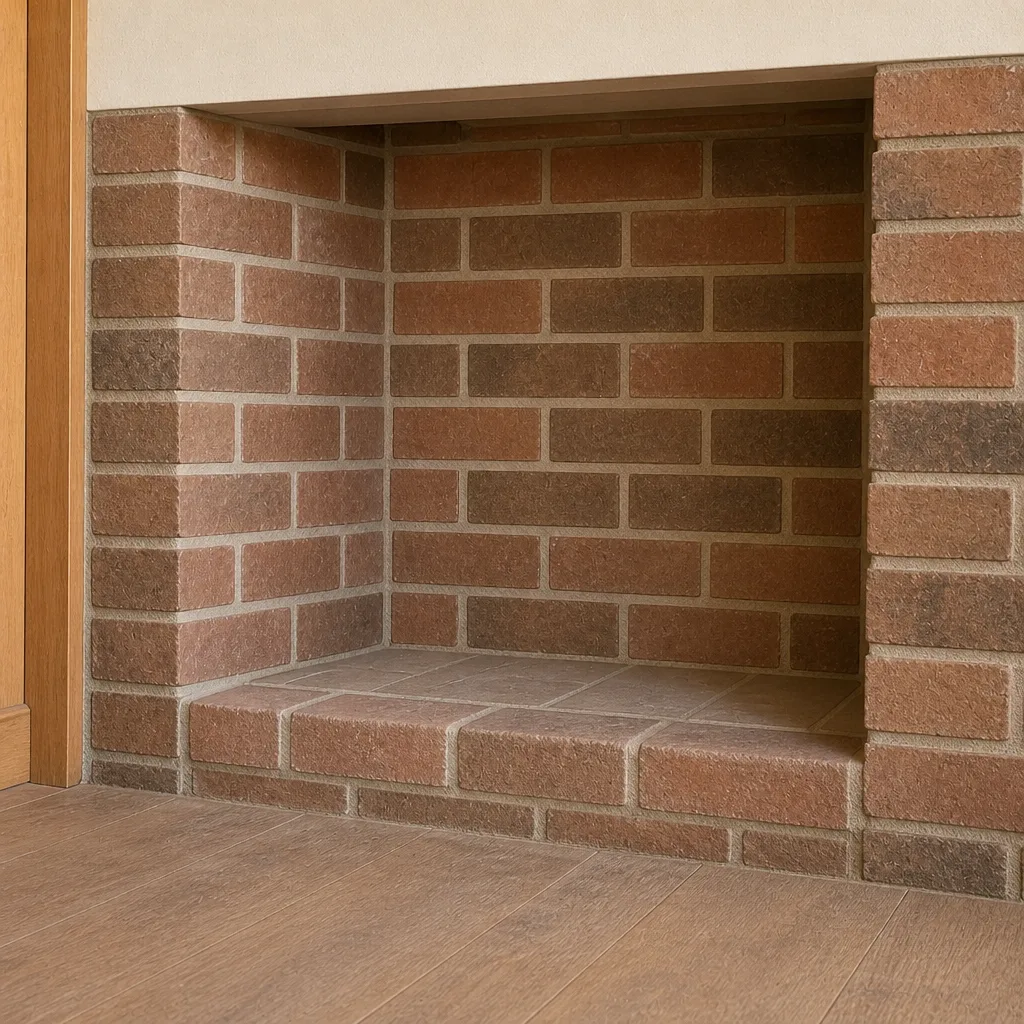
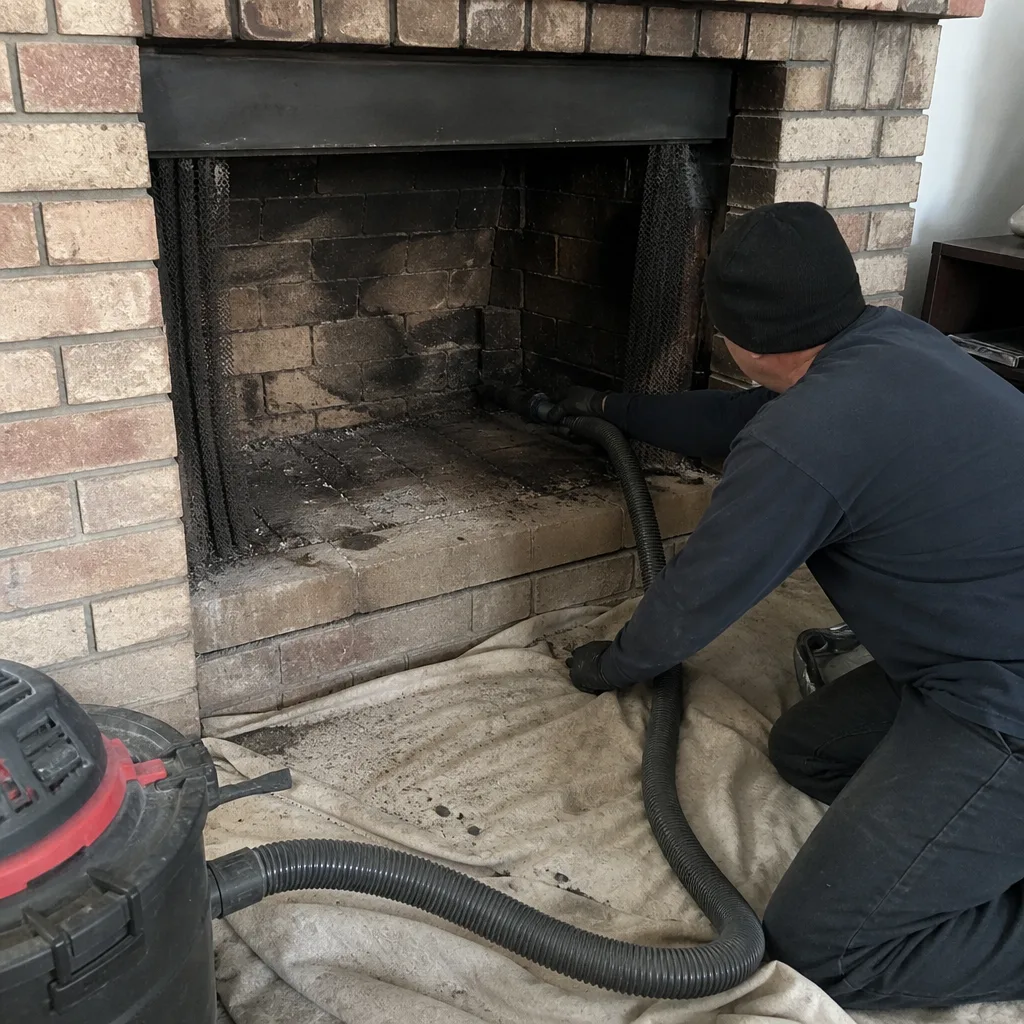
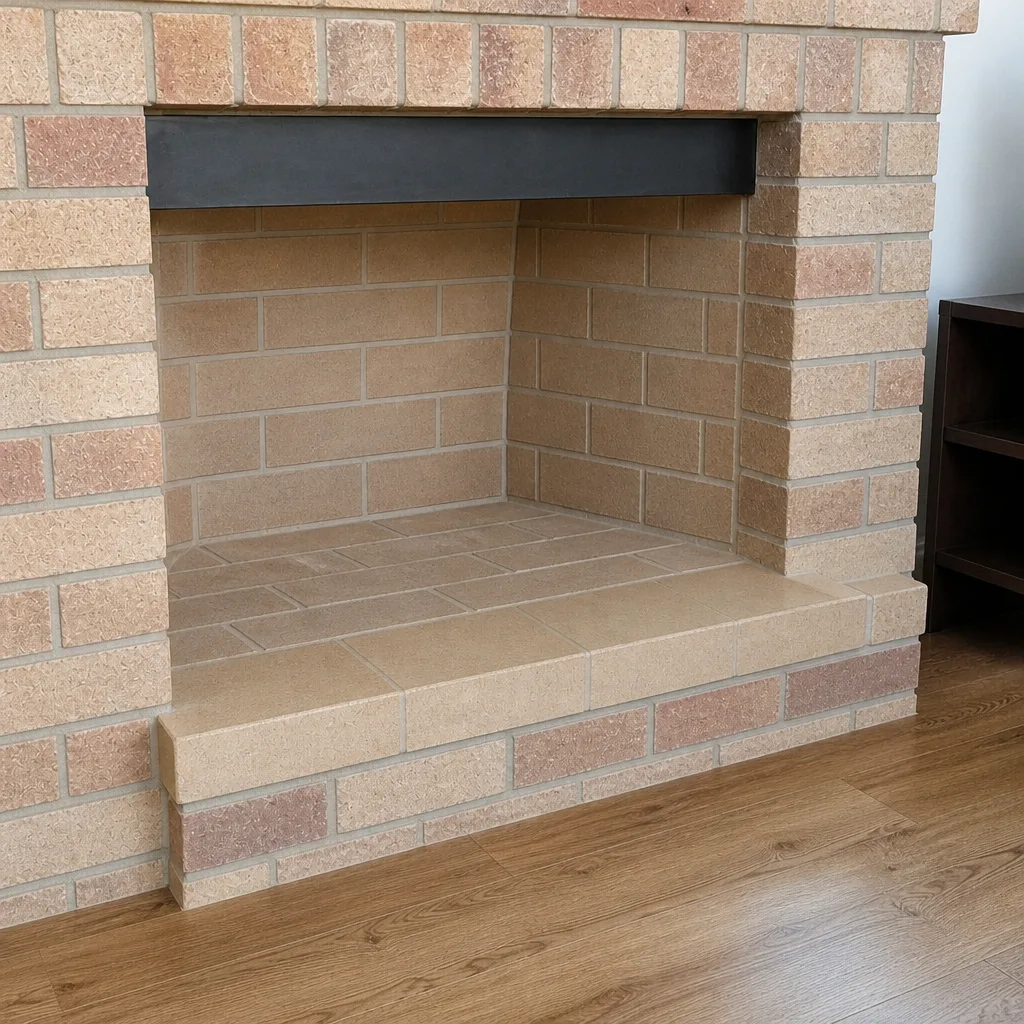
See the difference
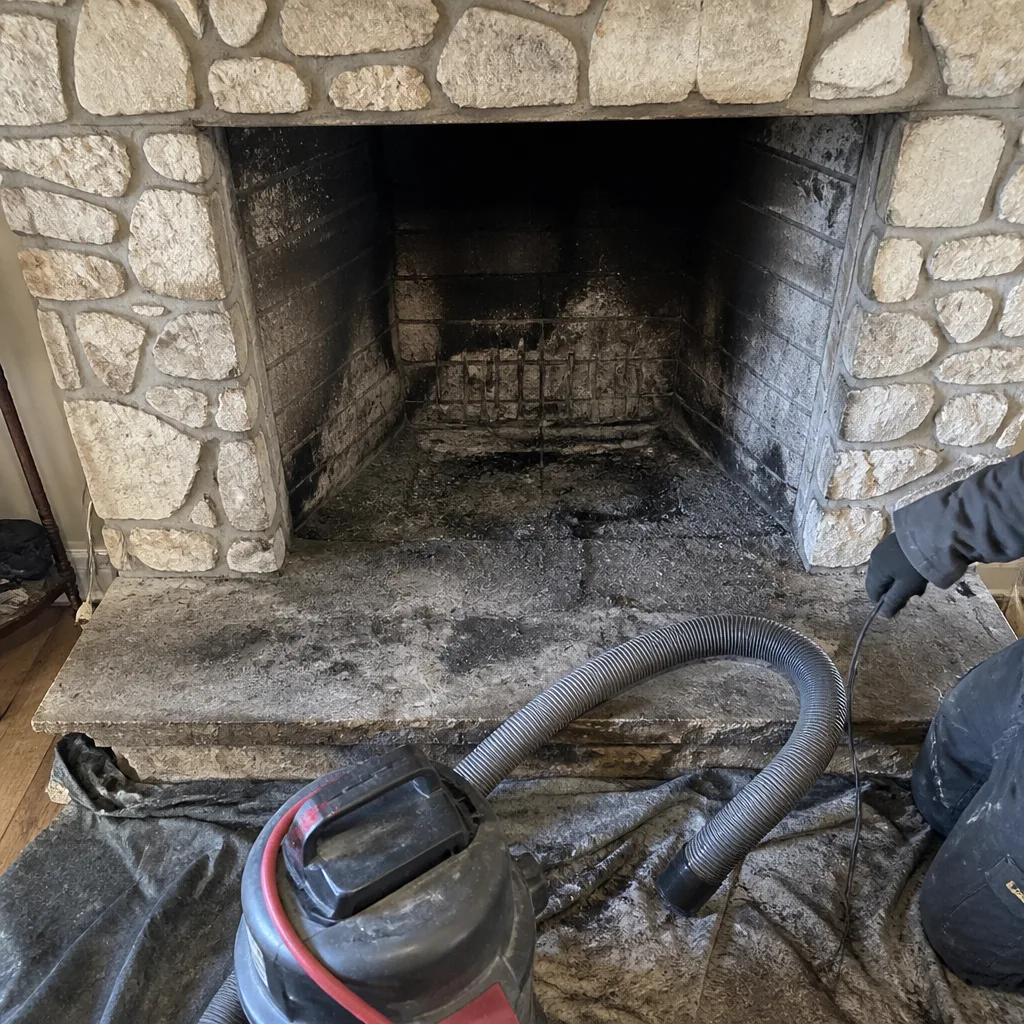 Before
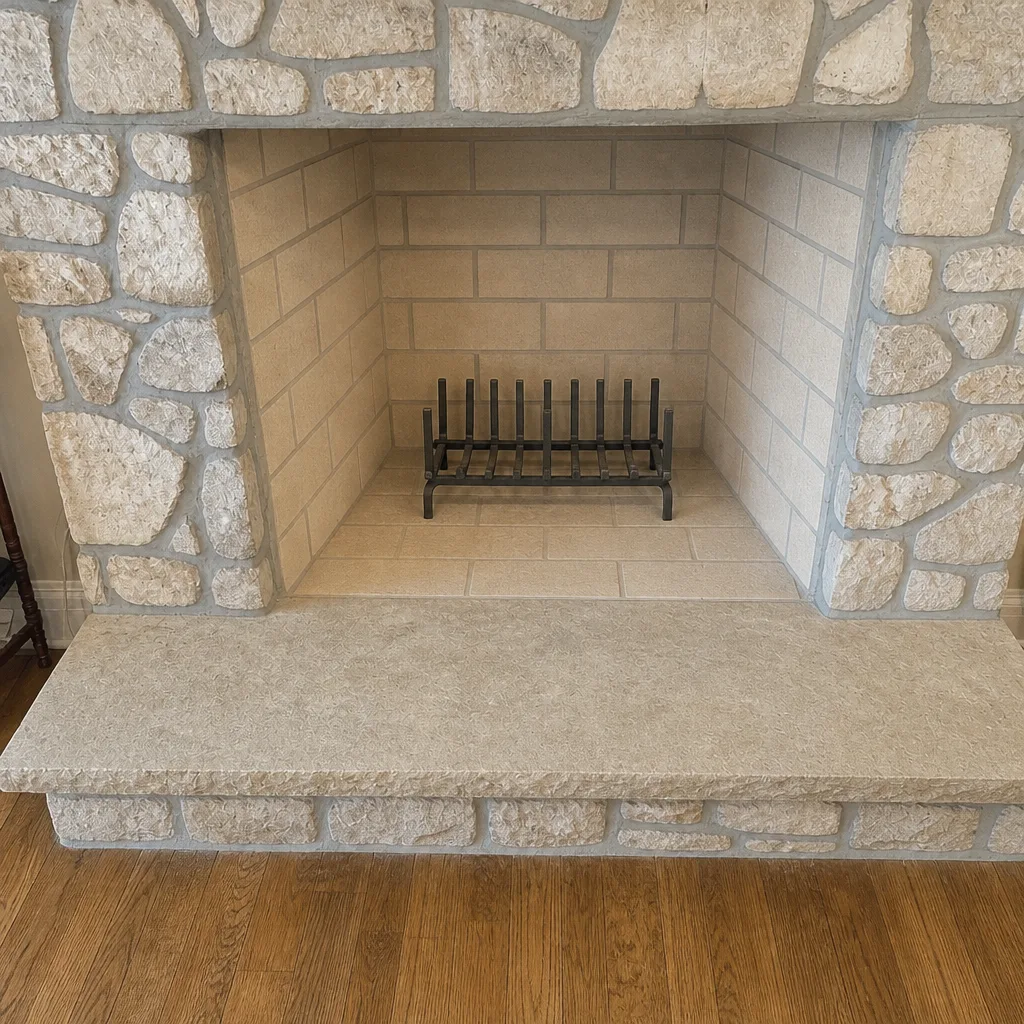 After
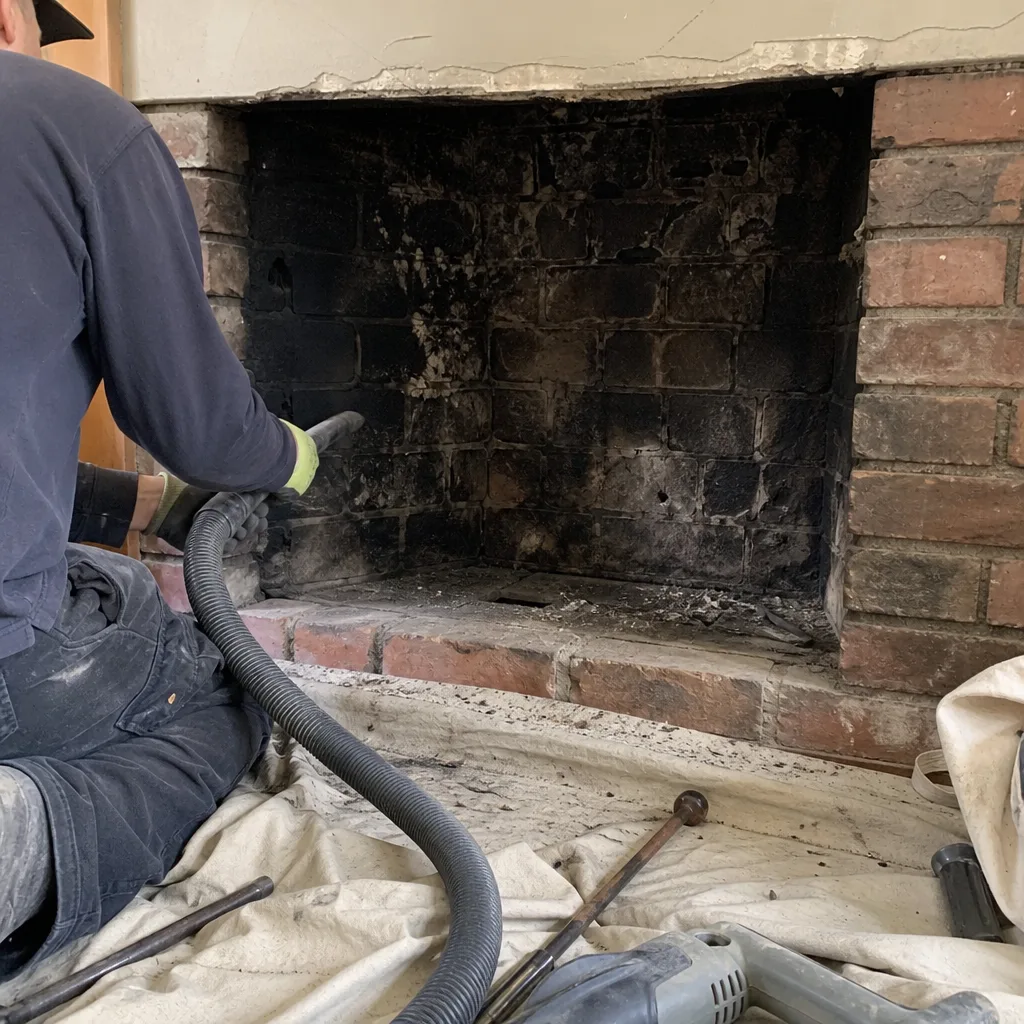 Before
 After
 Before
 After
When to Call a Professional
Call a professional if a flue fire has ever occurred in the home, if a wood stove or insert has been added or removed, if the home is about to change hands, if a repair was done on a handshake without a permit, or if a chimney has never had a Level 2 inspection in the current ownership. Call before the first burn of the season if the chimney has been unused for a year or more. Call if the firebox smells, if smoke backs into the room, or if the crown or exterior masonry shows visible cracking. In a desert climate like Sunrise Manor, that outer cracking is often the only symptom before something serious, so it’s not a wait-and-see issue. Paragon Chimney Sweep offers free estimates in Sunrise Manor. Call (833) 486-5098. We answer 24/7, with fast dispatch from 7am to 7pm, Sunday through Friday.
Frequently Asked Questions
No. Routine chimney cleaning does not require a permit in Sunrise Manor. A permit is generally only needed when the work alters the chimney’s structure or flue, such as a liner replacement or firebox rebuild. Call (833) 486-5098 for an exact quote. Estimates are free.
A Level 2 inspection checks all accessible portions of the chimney, including the attic, crawl space, and flue interior via a video scan where used, and measures clearances to combustibles against NFPA 211. It’s the standard inspection for a real estate transaction and for any change in appliance or fuel type. We’ll review the findings with you line by line, so you know exactly what the report means before anything is authorized. Call (833) 486-5098 to schedule one.
Nevada’s real estate transaction requirements expect a Level 2 inspection when a chimney is part of the home’s venting system, and NFPA 211 is the standard inspectors measure against. Skipping it is legal in a narrow sense, but the buyer’s inspector will typically flag the missing documentation, and that becomes a negotiation point during escrow. Call (833) 486-5098 for a free estimate on a Level 2 inspection.
The insurer can dispute the claim on the grounds that an undisclosed or unpermitted alteration existed at the time of loss. It isn’t an automatic denial, but the lack of a permit and inspection record shifts the burden of proof to the homeowner. Getting a permitted repair on record now is the practical defense. Call (833) 486-5098 to start with a documented inspection.
Yes. The process starts with a Level 2 inspection to establish current condition, then a permitted correction of anything that fails NFPA 211. We use DuraFlex liners and HeatShield flue restoration where the repair scope allows, so a full demolition is usually not necessary. Call (833) 486-5098 for an exact quote and a written estimate before any permit is pulled.
Sunrise Manor’s permitting runs through Clark County’s building department, not a separate city process. The county reviews the permitted scope, and its inspector signs off against NFPA 211 and the submitted plan. Confirm current requirements with the county before starting any chimney repair, and call (833) 486-5098 if you want a second read on what your job requires.
The Bottom Line
Chimney cleaning doesn’t need a permit, but structural chimney work does, and the gap between the two is where Sunrise Manor homeowners get into trouble. A Level 2 inspection with a written report is the record that protects you at a sale, at an insurance claim, and in the permitting process itself. Keep the paperwork. Check the standard. If a repair is on the table, whether it’s a DuraFlex liner install or a HeatShield flue restoration, do it under permit, with a contractor who works to NFPA 211 and documents the job. Our technicians have up to experience, and we handle the diagnosis, the repair, and the documentation in a single visit whenever the job allows. Call (833) 486-5098. We answer 24/7, with fast dispatch from 7am to 7pm, Sunday through Friday.
Written by the team at Paragon Chimney Sweep.