
Last updated November 15, 2026
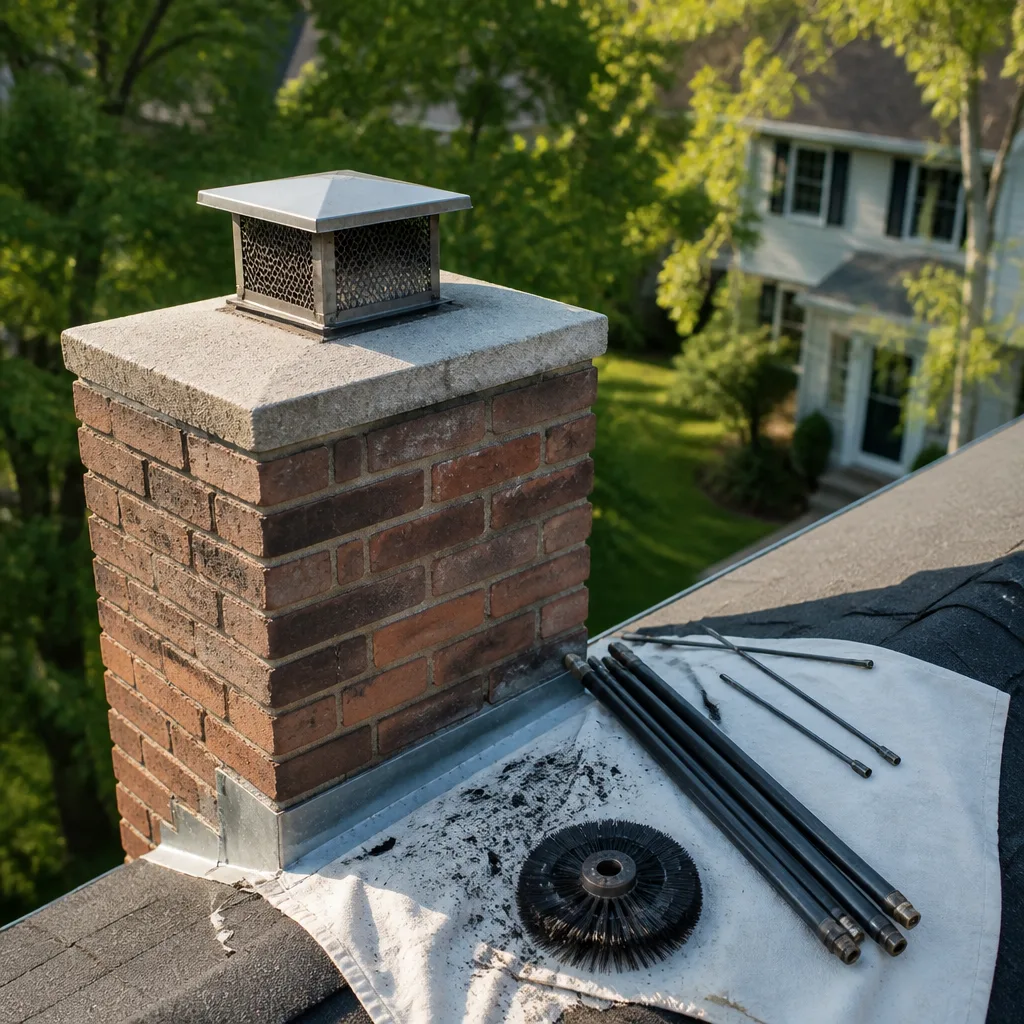 Sweep & inspection
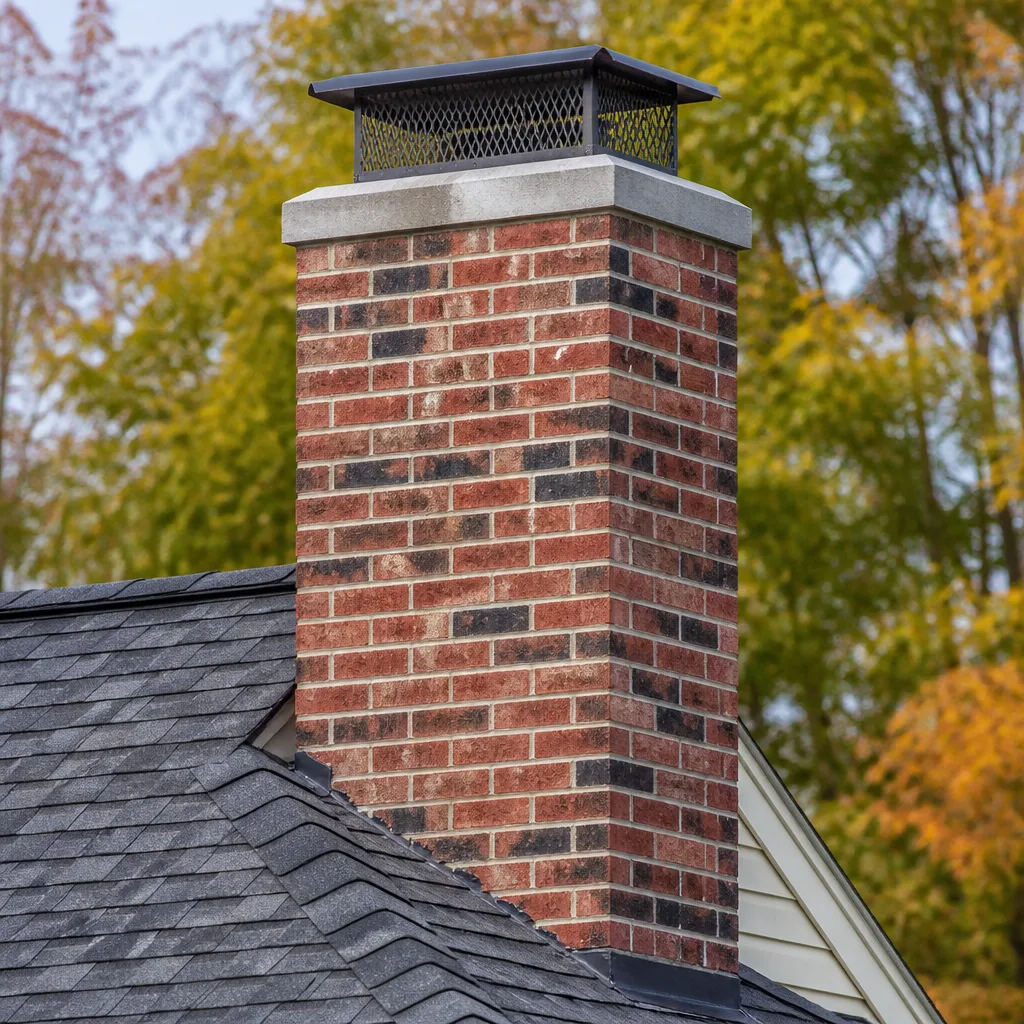 Caps & crowns
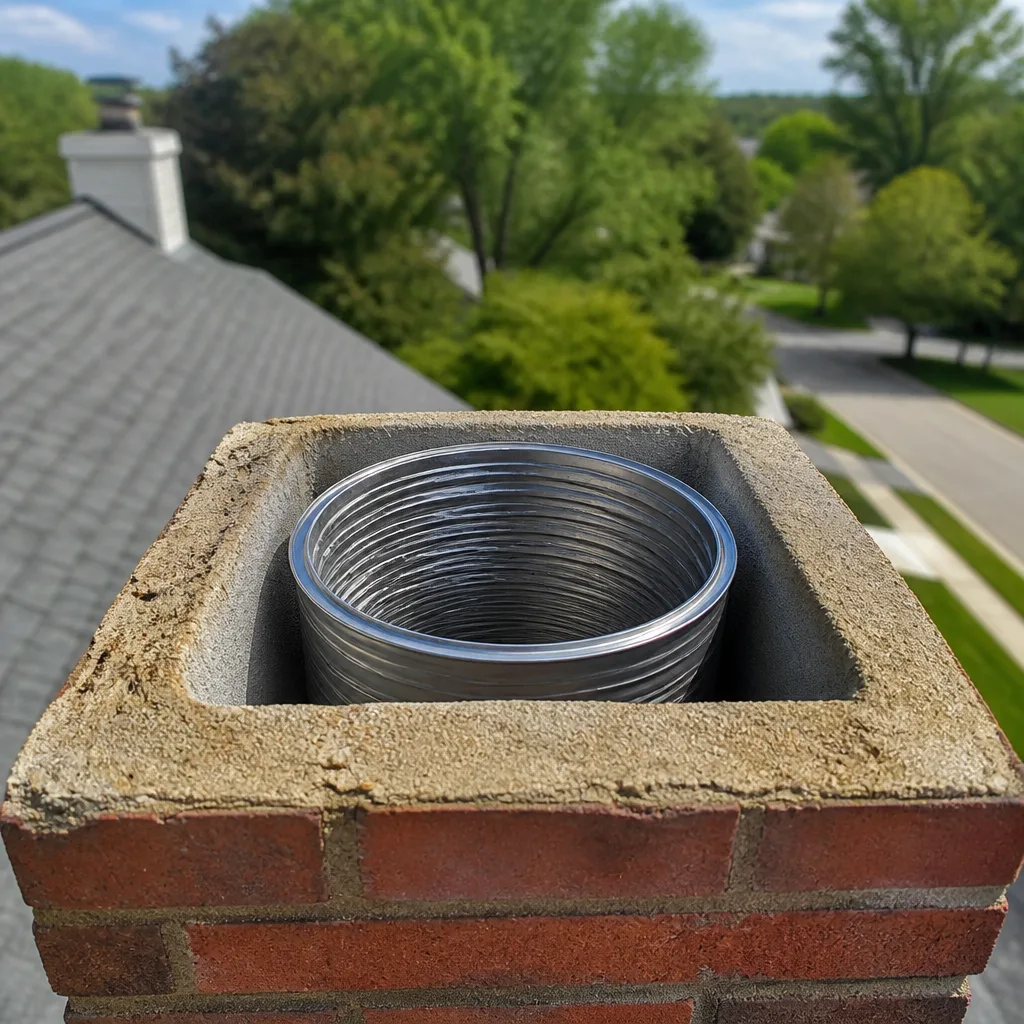 Flue relining
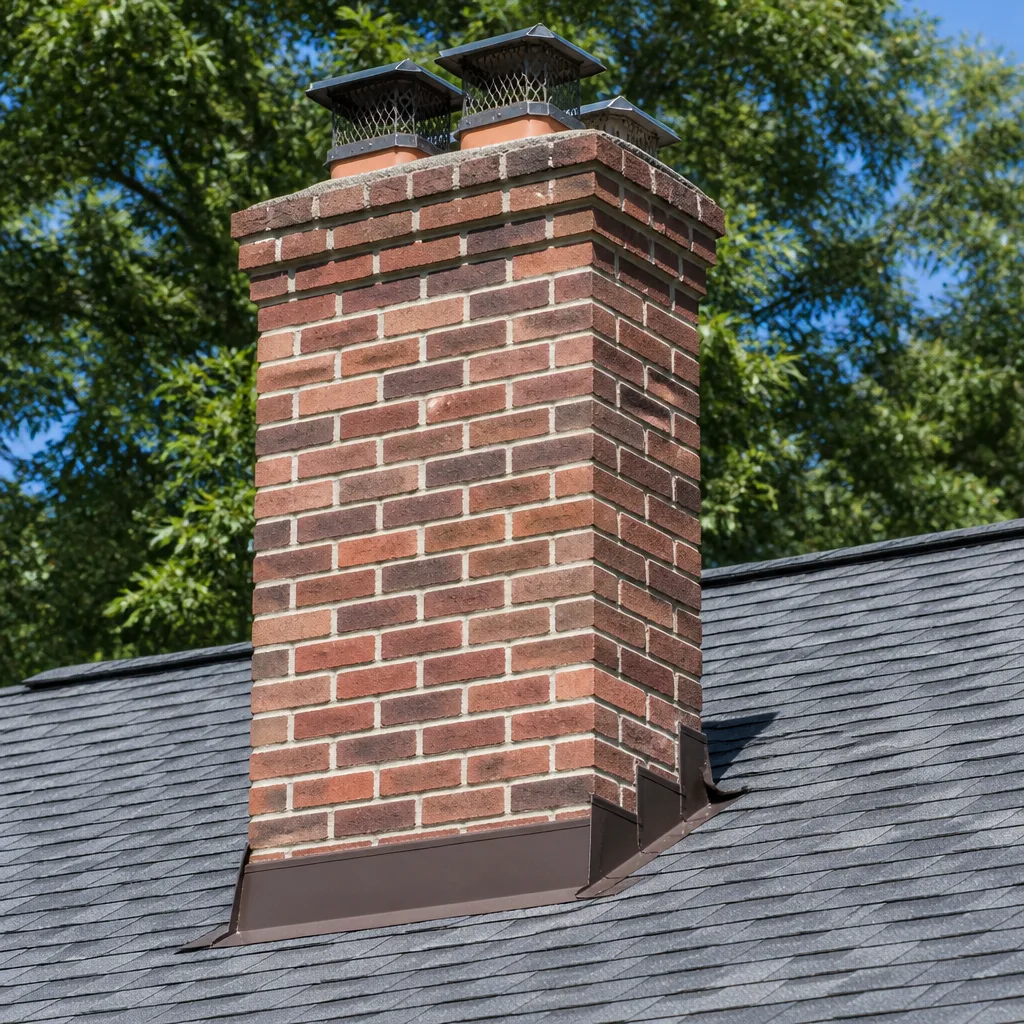 Masonry repair
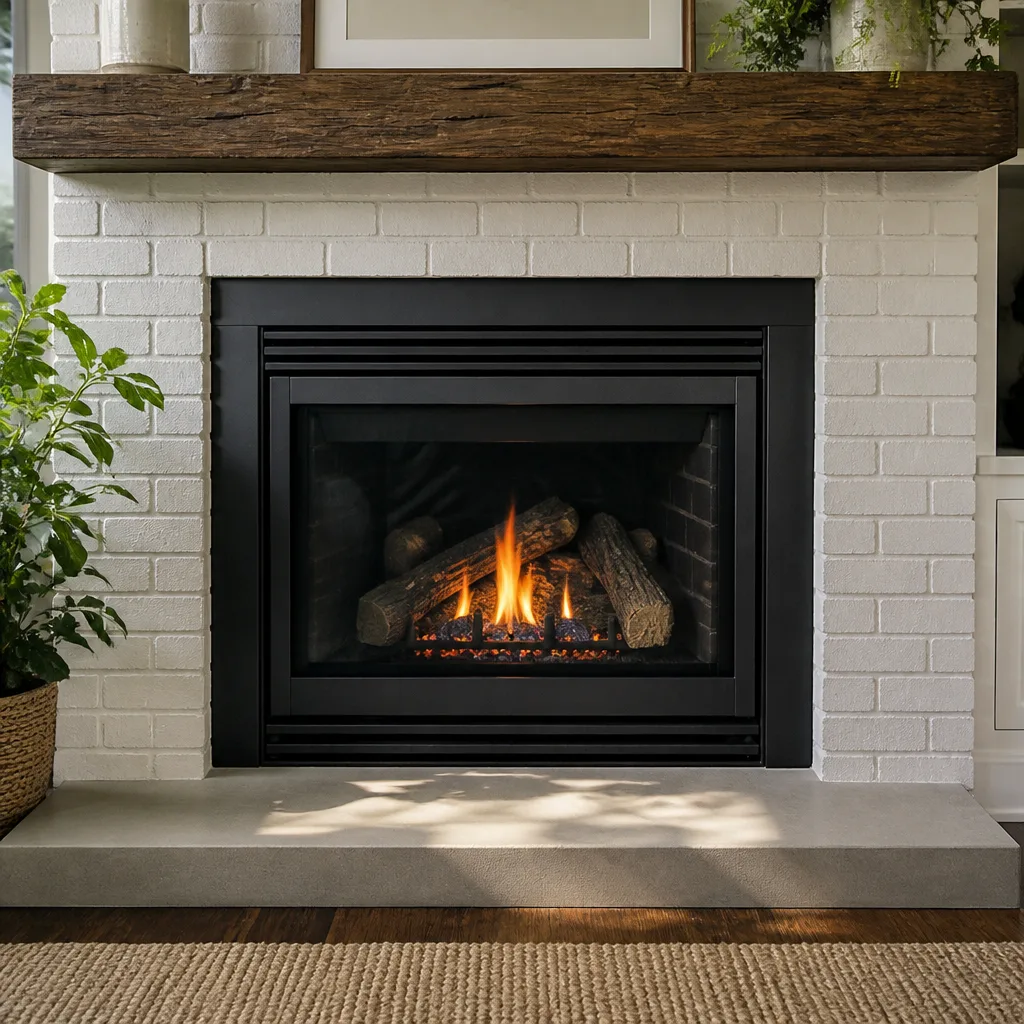 Gas fireplace service
Level 1 sweep and inspection to the NFPA 211 annual standard - flue, crown, cap, and flashing checked and photographed
Chimney sweep logs do not sweep chimneys. They loosen some creosote - which then falls where a brush and vacuum still have to collect it.
Chimney Cleaning Warning Signs: A Sunrise Manor Homeowner’s Reference Guide
The most dangerous chimney problems rarely announce themselves with smoke in the living room. By the time a fireplace backs up or you smell something acrid in July, the damage has usually been building for seasons, quietly, in places no one looks. Many Sunrise Manor homeowners read early warning signs as ordinary aging: a little white haze on the brick, a damper that grabs, a faint odor on a warm afternoon. Those signals mean something specific, and this guide translates each one into plain diagnostic language. You’ll learn how to recognize creosote stages, moisture damage, structural shifts, and draft failure, and how urgent each really is.
Quick Answer
The main chimney warning signs in Sunrise Manor are glazed hard creosote on the flue walls, white mineral staining on exterior brick, mortar receding around the crown or flashing, a damper that sticks or won’t close, and smoke entering the room when you expect it to rise. Any of these means the chimney should be inspected before the next fire. Glazed creosote and cracked crowns are the two that most often justify prompt attention.
Styles & brands we work with
- Sweep & inspection
- Caps & crowns
- Flue relining
- Masonry repair
- Gas fireplace service
Table of Contents
- The Three Stages of Creosote and What Each Demands
- White Staining on Brick: What Efflorescence Tells You
- Normal Fireplace Odor vs. the Smell of Active Deterioration
- Roofline Warning Signs and the Measurements That Signal Urgency
- What a Draft Problem Really Means
- Cracked and Spalled Liners: When Restoration Beats Rebuilding
- A Second Exhaust System Worth Watching
- Sunrise Manor Seasonal Timing: Before You Burn
The Three Stages of Creosote and What Each Demands
Creosote is the residue left when wood smoke cools against the flue walls, and it doesn’t arrive all at once. It builds in three recognizable stages, and each stage responds to a different cleaning method. Knowing which one you’re looking at tells you how fast the appointment needs to happen.
Stage 1: Sooty and Flakey
Stage 1 creosote looks like a thin, dusty crust of black or dark brown soot. It brushes off easily with a standard sweep. This is the normal condition of a chimney that gets swept on a regular schedule, and most Sunrise Manor homes that burn regularly land here between annual cleanings. A routine sweep handles it, and it’s what the annual cycle is designed to catch.
Stage 2: Crusty and Flaky-Textured
Stage 2 creosote feels like dried, brittle crust, sometimes with a shiny lamination at the surface. It doesn’t come off with a light brush pass. It builds where flue temperatures and draft have been inconsistent, often because the fire is regularly burned low and slow or the wood isn’t fully seasoned. Stage 2 calls for more aggressive mechanical sweeping, and it’s a sign that burning habits are leaving a heavier deposit than the previous season.
Stage 3: Glazed and Hard as Glass
Stage 3 creosote is that shiny black or baked-on glaze that looks like a coat of tar. It’s the most hazardous form because it’s highly combustible and adheres so tightly that standard brushing barely touches it. This stage generally requires professional-grade removal methods, not a homeowner brush kit. It’s the single clearest reason a chimney should not go another season without evaluation. This is a fire-safety call, and it’s the one signal in this guide we’d never suggest waiting on.
White Staining on Brick: What Efflorescence Tells You
That powdery white bloom on the outside of a masonry chimney has a name: efflorescence. It’s not dirt and it’s not harmless cosmetic aging. It’s the mineral residue left when water moves through the brick and mortar and evaporates at the surface, carrying salts with it. When you see it on a Sunrise Manor chimney, the useful question isn’t “how do I clean this?” but “where is the water getting in?”
In a dry desert climate, the presence of efflorescence is a stronger signal than it would be in a wetter region, because the moisture has to come from somewhere specific. Common sources include:
- A failed crown at the top, letting rain run straight down into the masonry
- Gaps in the flashing where the chimney meets the roof
- Cracked mortar joints that open pathways for water
- A missing or degraded rain cap
Removing the white bloom without finding the source just means it comes back. Worse, the water is still moving through the flue structure. Interior moisture contributes to spalling, where the masonry surface flakes and breaks away, and eventually to liner damage. If the white staining is bright and fresh, moisture is active now. If it looks older and diffused, the intrusion may be older or intermittent, which is often the case with a flashing gap that only leaks during certain storms. In either case, the appearance of efflorescence on a Sunrise Manor chimney exterior is a reason to inspect, not a signal to repaint.
Normal Fireplace Odor vs. the Smell of Active Deterioration
Ask anyone who burns wood about the “fireplace smell” in summer, and you’ll get a knowing nod. That faint, smoky, ash-and-char odor in warm months is usually ordinary: creosote residue in the firebox off-gassing as the weather heats up. It’s the reason a spring cleaning matters, and it’s not by itself an emergency.
The smell that should get your attention is different in character. Watch for these:
- Sulfur or rotten-egg – often points to moisture sitting against organic material or a developing deterioration problem inside the structure
- Sharp, acrid, chemical – can indicate a damaged liner or an environment where flue gases are reacting with compromised material
- Persistently strong in one area – a concentrated odor near the hearth or at the roofline, rather than a general faint draftiness, is worth pinpointing
The distinction that matters most is whether the smell is diffuse and faint or sharp and localized. A faint summer smell is normal. A sharp smell that lingers, gets stronger, or appears alongside white staining or smoke intrusion is a sign of active deterioration. In our experience, the homeowners most likely to describe an acrid smell are those whose chimneys have gone several seasons without inspection. If you’re unsure which category your chimney falls into, that’s exactly what a professional evaluation is for. The Paragon Chimney Sweep approach is to look before recommending anything, with camera evidence you can see.
Roofline Warning Signs and the Measurements That Signal Urgency
Some of the clearest evidence is visible from the ground with binoculars or from the roof, whichever you’re comfortable with. These are structural signs, not cosmetic ones, and they stack: one is worth a look, three together mean scheduling soon.
- Crown cracking. The crown is the sloped concrete cap at the top of the chimney. Hairline cracks are common and often survivable short-term, but a crack you could fit a coin edge into allows water straight into the flue structure. That level of separation calls for attention before the next rainy season.
- Flashing gaps. Look at the metal where the chimney meets the roof. Rising or lifting metal, visible gaps, or gaps wider than a quarter inch where the flashing meets the masonry are active leak paths, not wear.
- Mortar recession. On a sound joint, the mortar sits roughly flush with the brick. When the mortar has receded noticeably below the brick face, especially over 3/8 inch or more across multiple joints, the joints are compromised and water gets in through them. Deep recession plus efflorescence is a strong combined signal.
- Spalling and flaking. Brick faces breaking away indicate freeze-thaw and moisture cycling, even in a mild climate, if water is present.
- A leaning or tilting chimney. Any visible vertical shift is urgent. A chimney that has begun to move is a structural situation that a sweep alone won’t solve.
On a Sunrise Manor roof, summer heat and dry wind can dry masonry quickly, which makes early water damage easier to miss than in a wetter climate. That’s a reason to look carefully at the roofline and not just at the firebox. The masonry that looks fine from the driveway is often the one with water moving through it.
What a Draft Problem Really Means
A fireplace that smokes is the obvious symptom, but a draft failure is often more than a dirty chimney. Before you assume a cleaning will fix it, consider what the draft is telling you structurally. Draft is the engine of a fireplace, and it depends on a clear flue, a correctly sized opening, and an intact liner.
Common structural causes behind a draft problem include:
- A blocked or restricted flue from heavy creosote buildup or a fallen obstruction
- An oversized firebox relative to the flue – a mismatch that pushes smoke back into the room
- A cracked liner that disrupts airflow and lets gases escape into the wall structure
- Pressure changes from the home itself – modern tightly sealed houses and exhaust fans fight against the chimney’s draw
Smoke entering the room isn’t just annoying; it’s smoke you’re breathing indoors. If a damper also sticks or won’t fully open, that’s a second clue the firebox assembly has issues beyond simple soot. A chimney sweep will clear what’s blocking the flue, but a draft problem that persists after a sweep points to a structural fix. That’s where the sweep and the repair need to happen in the same visit, which is how we operate. If the draw is off because the liner is compromised, the right answer is relining, not another cleaning. The technologies used for that are worth understanding.
Cracked and Spalled Liners: When Restoration Beats Rebuilding
A flue liner is the protective layer between combustion gases and the masonry chimney. Cracks, gaps, and spalled sections in the liner are serious because gases and heat can reach the surrounding structure. The old assumption was that a cracked liner meant tearing down and rebuilding the chimney. That’s no longer the only option. Two professional-grade systems change the picture.
HeatShield is a restoration system that resurfaces a deteriorated flue liner from the inside. It fills cracks and spalled sections and gives the flue a smooth, protective new surface. It’s not right for every liner, but for a chimney with a damaged but still structurally sound flue, it’s often the difference between a manageable repair and a full rebuild.
DuraFlex flexible liner systems provide relining for masonry chimneys and prefabricated units that need code-compliant performance restored. When a liner is beyond resurfacing, a flexible liner relines the flue and returns the chimney to proper function.
We work with both because the right answer depends on what the camera sees. A liner that can be restored with HeatShield shouldn’t be quoted for a rebuild, and a chimney that needs a DuraFlex reline shouldn’t be patched. If a contractor tells you a full rebuild is the only way without showing you the evidence, get a second look. That’s the conversation worth having.
A Second Exhaust System Worth Watching
Most homeowners don’t connect the clothes dryer to chimney safety, but they’re the same problem: lint and creosote are both exhaust residue that accumulates in an enclosed pathway. A dryer vent is one of the most overlooked fire risks in the home, and it’s part of what we handle alongside chimney work. The warning signs mirror the chimney’s: less effective drying, a dryer that runs hot, lint visible around the outside vent, or a vent that hasn’t been inspected in a long time.
If you’re already having the chimney looked at, it’s efficient to have the dryer vent cleaning handled in the same visit rather than scheduling a separate contractor. That keeps the two main exhaust pathways in a Sunrise Manor home under one service and gives you a single report on both. When we sweep, we’re looking at the whole venting picture, not just the fireplace.
Sunrise Manor Seasonal Timing: Before You Burn
Timing matters more than most homeowners realize, and the desert climate shapes it. The worst time to discover a glazed flue or a failing crown is the first cold evening you light a fire. The better habit is to schedule the inspection and sweep in the off-season, so a repair found in spring can be completed well before the cold weather returns.
For a Sunrise Manor home, a practical rhythm looks like this:
- Inspect the roofline and chimney exterior as part of your regular home maintenance, ideally when the weather is mild.
- Schedule a professional sweep before the burning season, so creosote doesn’t accumulate over multiple seasons.
- Address any structural findings, including efflorescence, cracked crowns, or mortar recession, before moisture does more damage.
- Listen to the smell and draft in warm months; an acrid or sulfur smell in summer is a reason to book early.
If you’re in an established Sunrise Manor home with a masonry fireplace or a wood-burning insert, the structure has likely been through many heating and cooling cycles. That’s not a reason to panic, but it is a reason to look at it with fresh eyes each year. Locals in the older pockets of Sunrise Manor know the climate well; the dry heat is hard on masonry in its own way, and regular inspection keeps small issues from becoming rebuilds.
Common Mistakes to Avoid
- Treating glazed creosote as ordinary soot. Stage 3 creosote looks like tar because it is, and a standard brush pass won’t remove it. A home that’s seen heavy glaze needs a professional evaluation, not a quick sweep.
- Repainting over efflorescence instead of finding the water source. Paint traps moisture and makes it worse. The white staining is a symptom; the intrusion is the problem.
- Waiting on a draft problem that persists after cleaning. If smoke enters the room after a sweep, the cause is structural, and another cleaning won’t fix it.
- Skipping the roofline because it looks fine from the driveway. Much of the evidence lives at the crown, the flashing, and the mortar joints, out of easy view.
- Assuming a damaged liner means a full rebuild. Restoration systems like HeatShield and flexible relining with DuraFlex have changed what a cracked liner requires. Ask for the evidence before accepting a rebuild quote.
- Ignoring the dryer vent. It’s a separate fire risk that deserves the same attention as the chimney, and it’s easy to overlook in a busy household.
- Burning unseasoned wood. Green or wet wood produces more creosote and deposits in the flue faster. The way you burn shapes what accumulates.
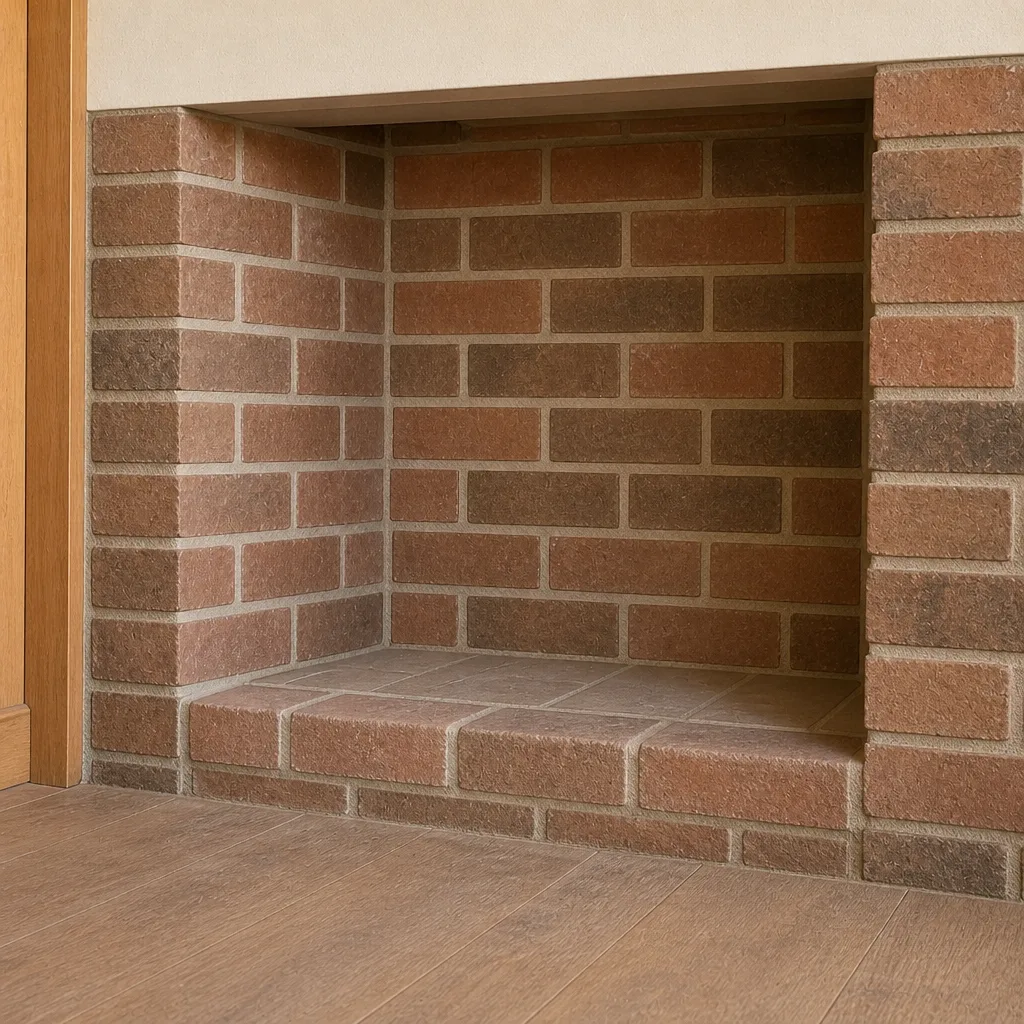
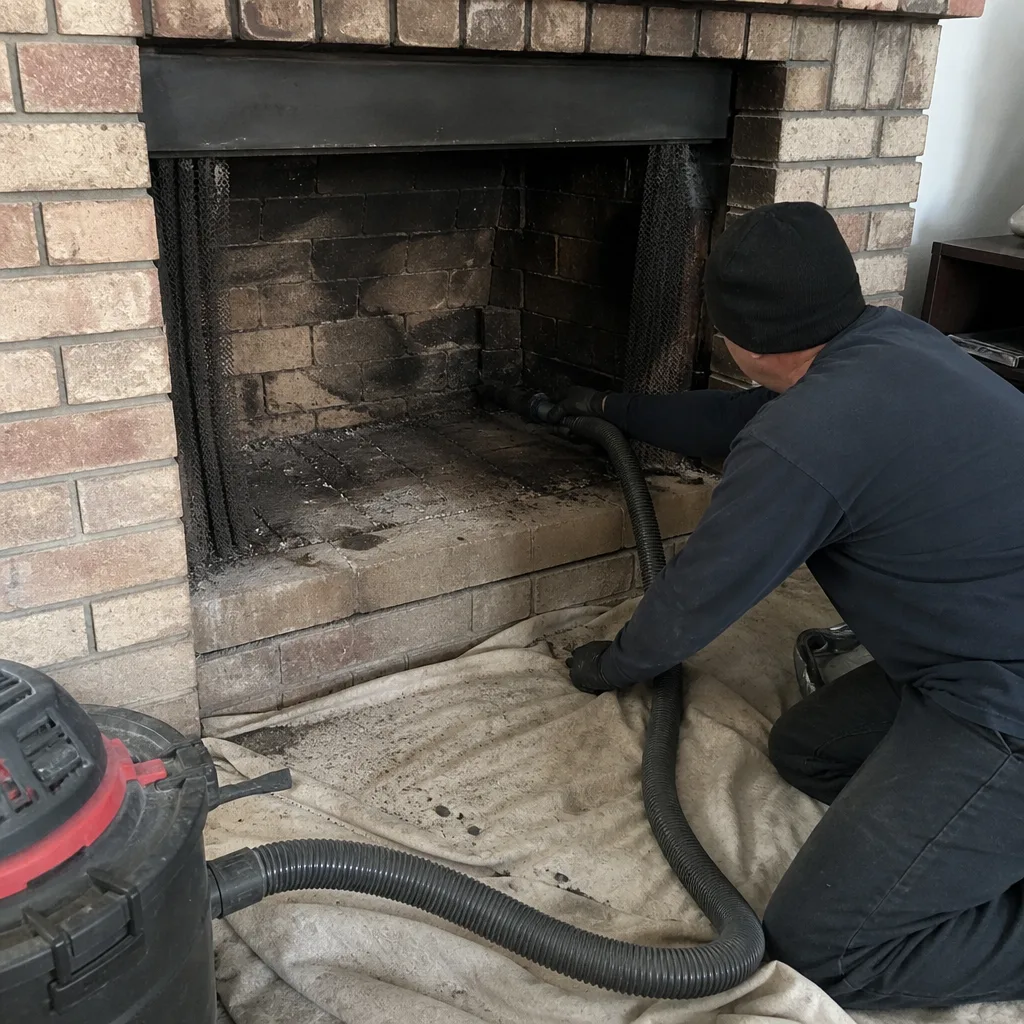
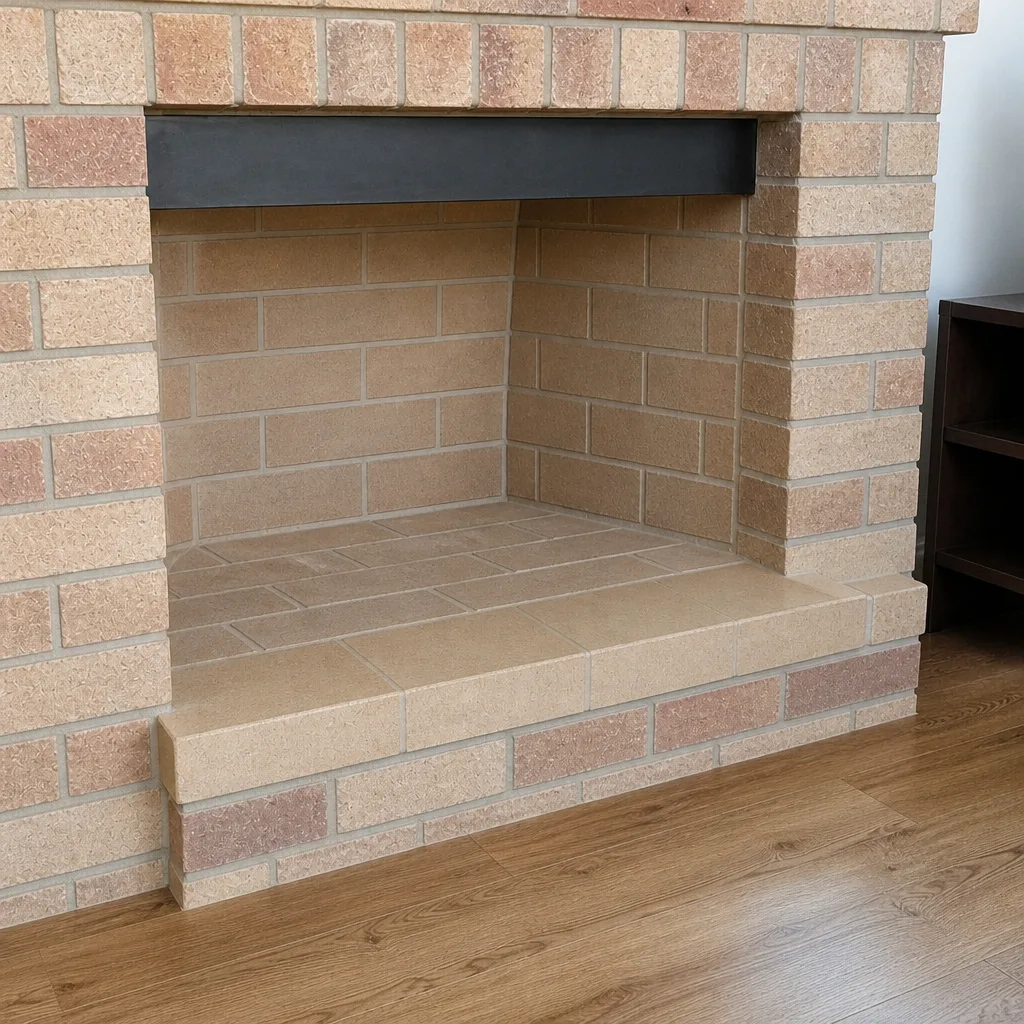
See the difference
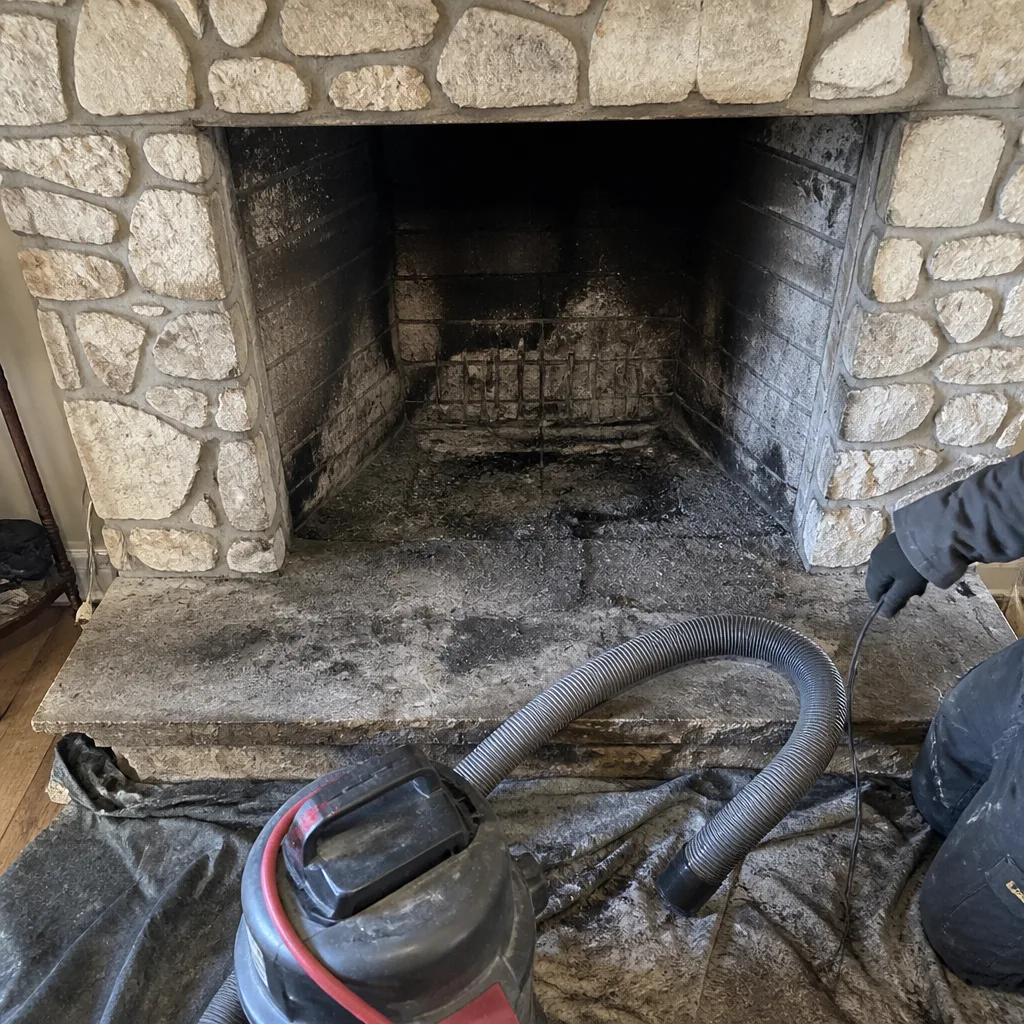 Before
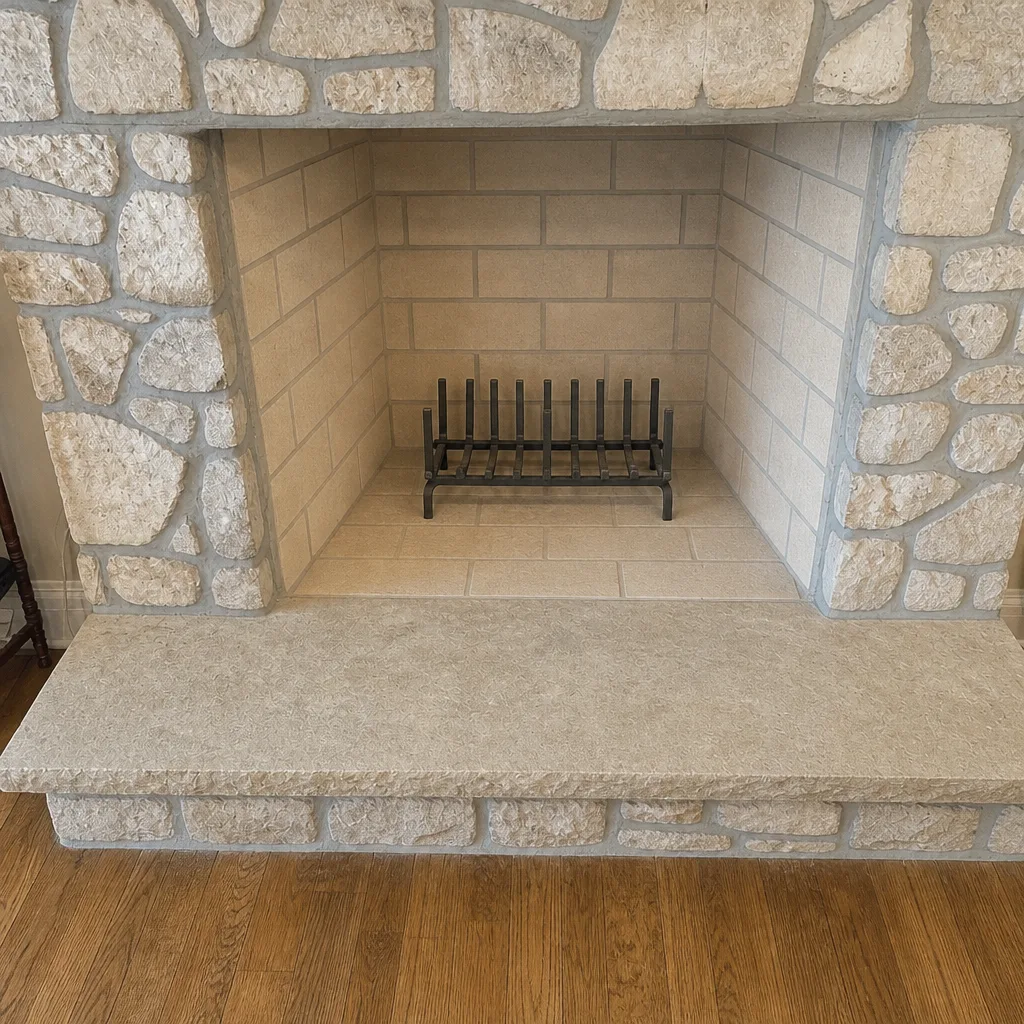 After
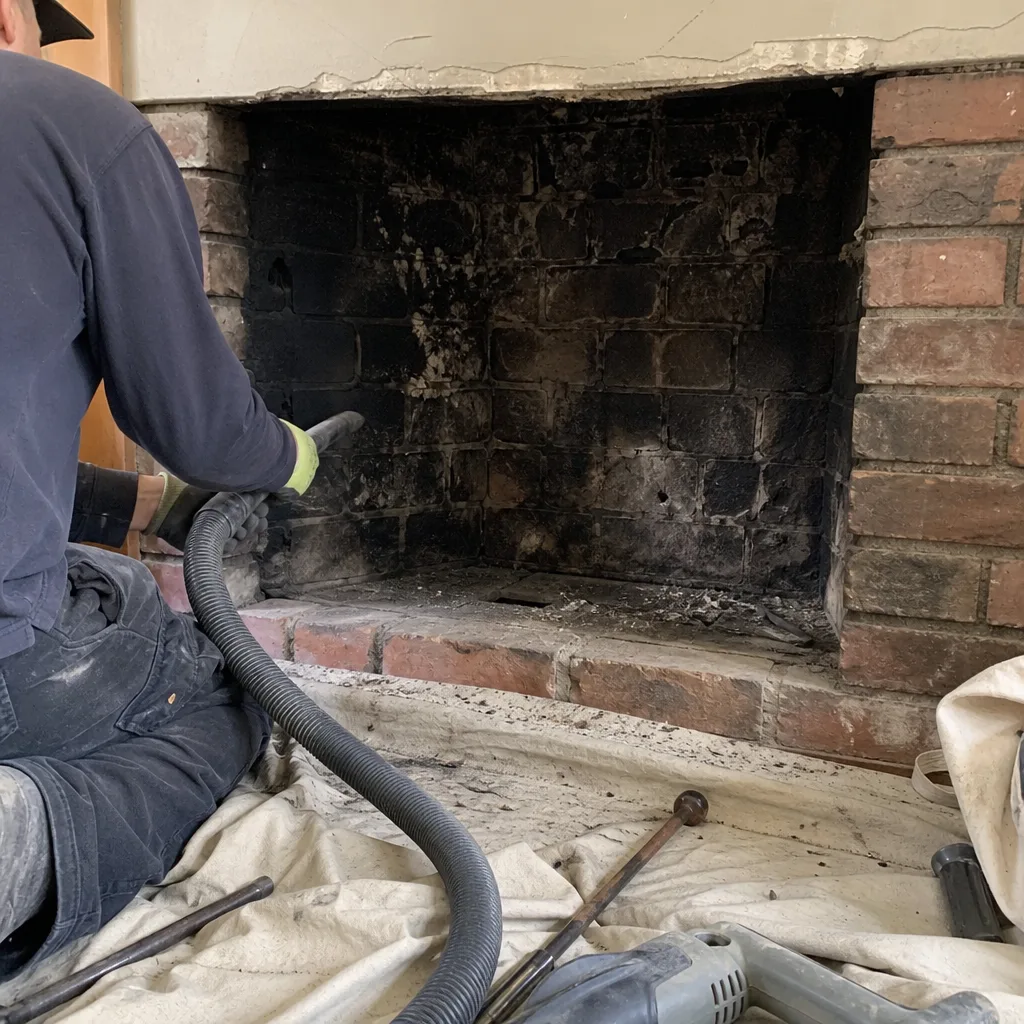 Before
 After
 Before
 After
When to Call a Professional
Call a professional if you see glazed creosote, white efflorescence on the exterior, a crack you could fit a coin into in the crown, mortar receding below the brick by 3/8 inch or more, spalling brick, or any visible lean in the chimney. Also call if you notice a sharp or sulfur smell, smoke entering the room, or a draft problem that doesn’t resolve after a cleaning. The residential chimney in Sunrise Manor should be inspected before the next burning season. Paragon Chimney Sweep offers free estimates in Sunrise Manor. Call (833) 486-5098, and the team will take a look and explain what it found. The written estimate sets the final price, and nothing is recommended without camera evidence you can see for yourself.
Frequently Asked Questions
Pricing is per job by written estimate, so the cost depends on the scope of the work and what the inspection finds. A routine sweep and a heavy glaze removal are different jobs with different price ranges. Estimating from what the camera shows is more accurate than quoting a flat figure up front. Call (833) 486-5098 for an exact quote – estimates are free.
White staining on a Sunrise Manor chimney is efflorescence, the mineral residue left when water moves through the brick and evaporates at the surface. It indicates active or intermittent moisture intrusion, usually from a failed crown, flashing gaps, or cracked mortar. It should be addressed at the source rather than cleaned or painted over. Call (833) 486-5098 to have the moisture source inspected.
Glazed creosote (Stage 3) is generally not safely removed with standard homeowner brush kits. It’s highly combustible and adheres tightly, and removing it safely takes professional methods plus an inspection of the liner underneath. This is one warning sign we’d not advise waiting on. Call (833) 486-5098 to schedule an evaluation.
A cracked liner can often be resurfaces with a restoration system like HeatShield, or relined with a flexible system like DuraFlex, rather than requiring a full demolition and rebuild. Which one applies depends on the condition observed inside the flue. Call (833) 486-5098 for a look at the evidence before any rebuild is quoted.
A persistent draft problem after cleaning points to a structural cause, not residual soot. The firebox size, a cracked liner, or a flue restriction can all disrupt draft, and those need inspection rather than another sweep. If the fire still smokes after a cleaning, book an inspection. Call (833) 486-5098.
Yes, scheduling the inspection and sweep before the burning season is the practical habit. It lets a repair found in the off-season be completed before the first cold evening, when a failed flue is costlier to discover. Moisture and glazed creosote found in spring can be dealt with calmly. Call (833) 486-5098 to book an appointment before you burn.
The Bottom Line
Most chimney failures begin with signs that look unremarkable from the ground: a little white bloom on the brick, a smell that’s sharper than usual, a damper that grabs, a draft that’s off. The guide’s job is to translate those signs into clear diagnostic meaning. Stage 3 glazed creosote needs professional removal, not brushing. Efflorescence signals moisture from a source worth finding. Roofline measurements – crown cracks you could fit a coin in, mortar recession over 3/8 inch, flashing gaps – make urgency visible. A draft problem that survives cleaning is structural. The right response is inspection with evidence, repair that can happen in the same visit, and no rebuild quoted without a look. For a Sunrise Manor home, schedule before you burn.
Call (833) 486-5098. We answer 24/7. Fast dispatch from 7am to 7pm, Sunday through Friday. Estimates are free, and the written estimate sets the final price.
Written by the team at Paragon Chimney Sweep.