
Last updated November 15, 2026
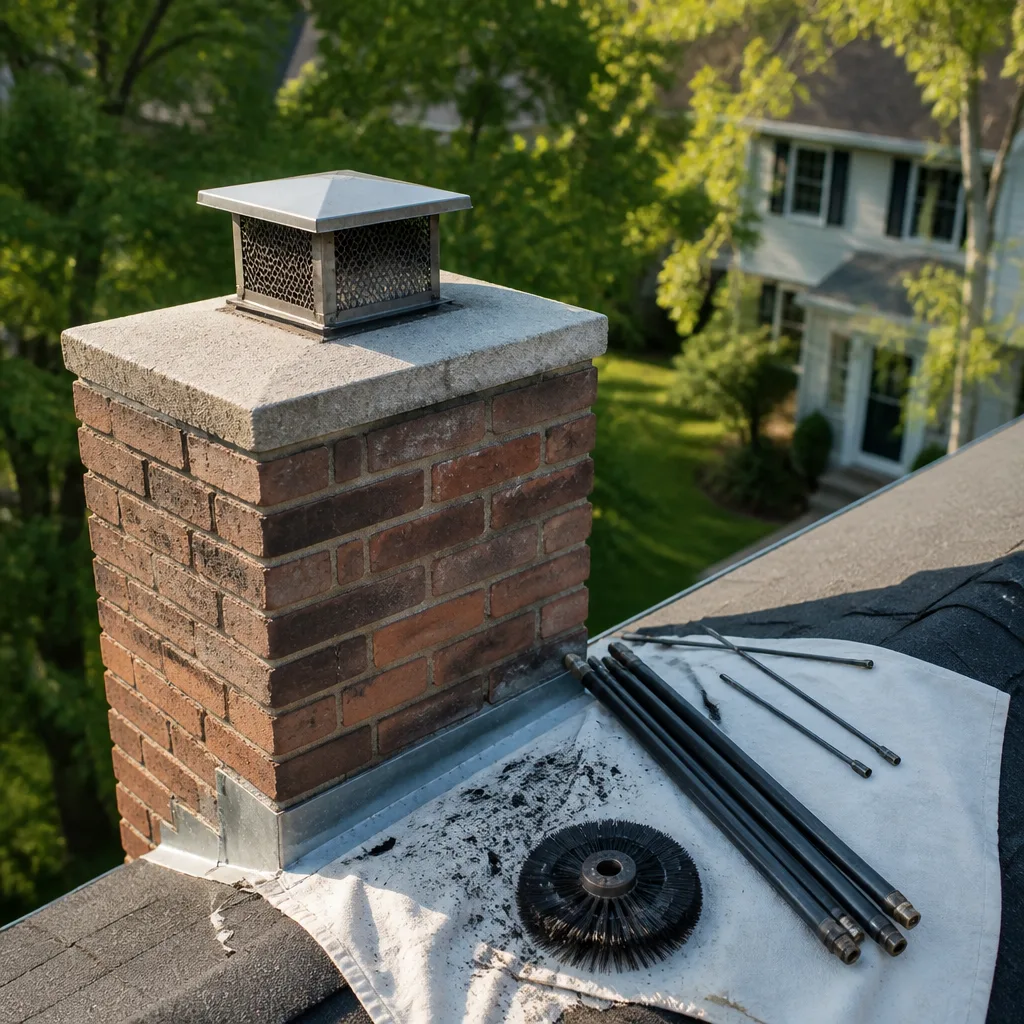 Sweep & inspection
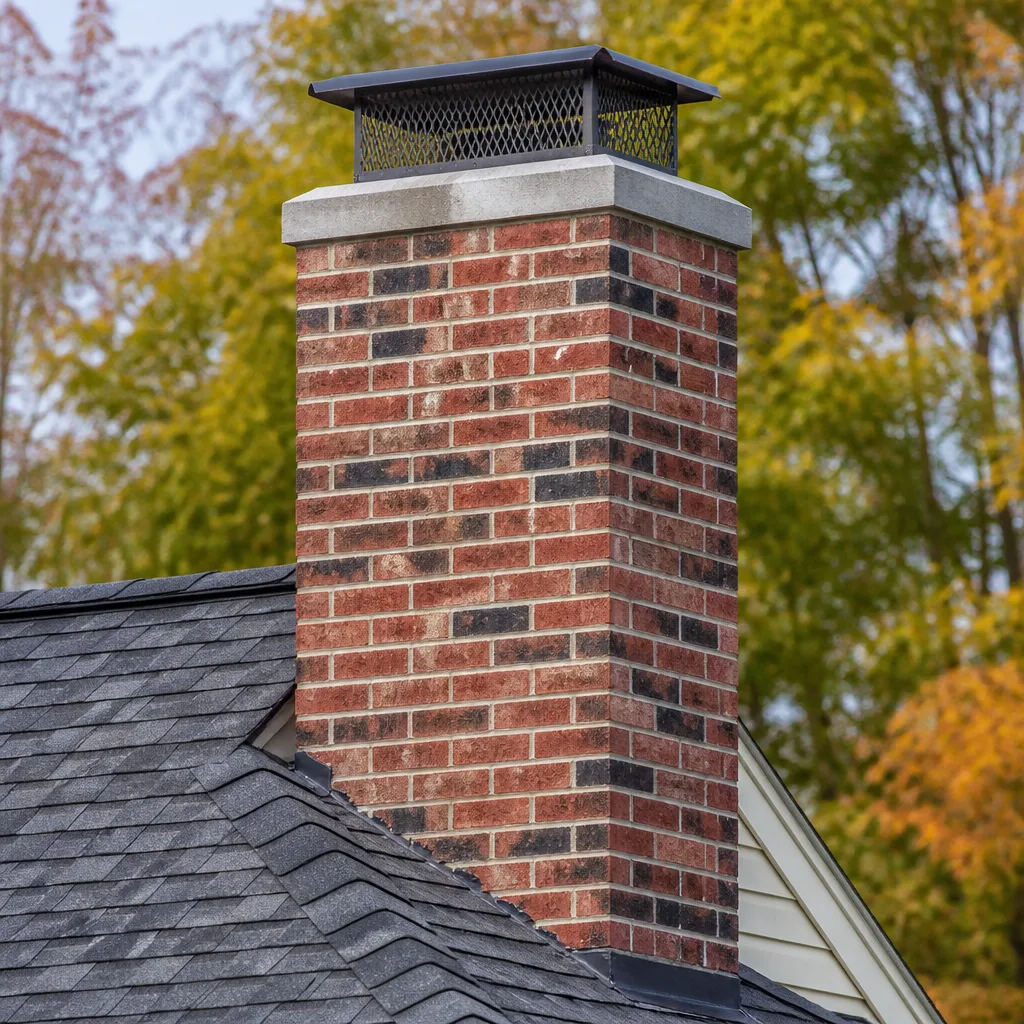 Caps & crowns
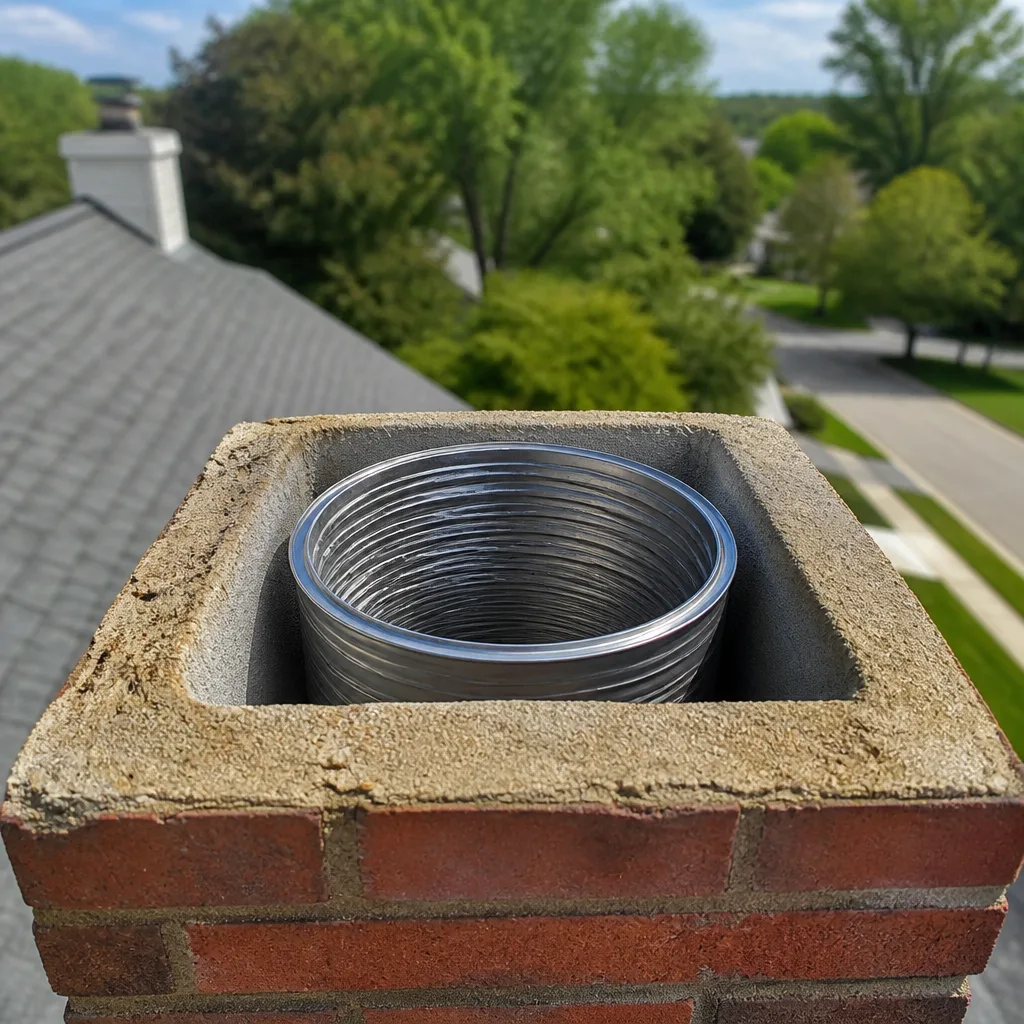 Flue relining
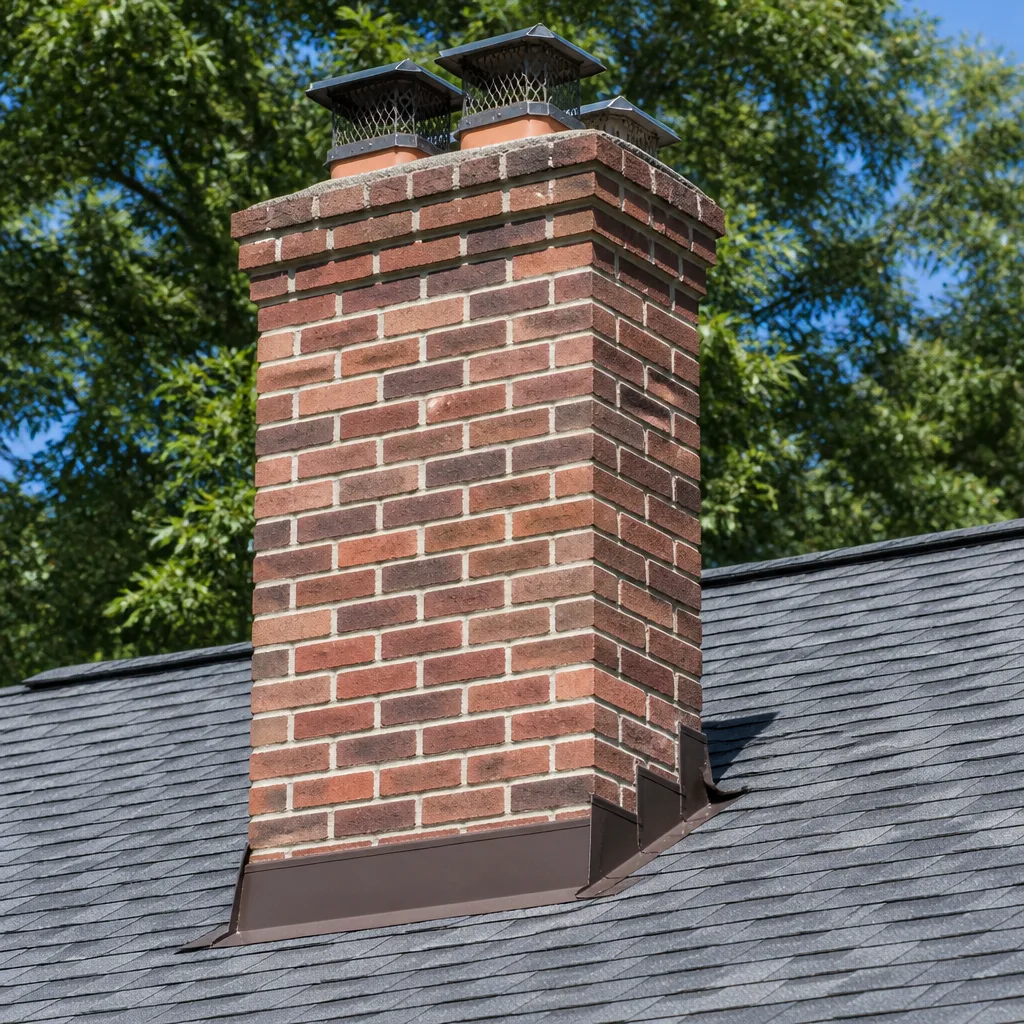 Masonry repair
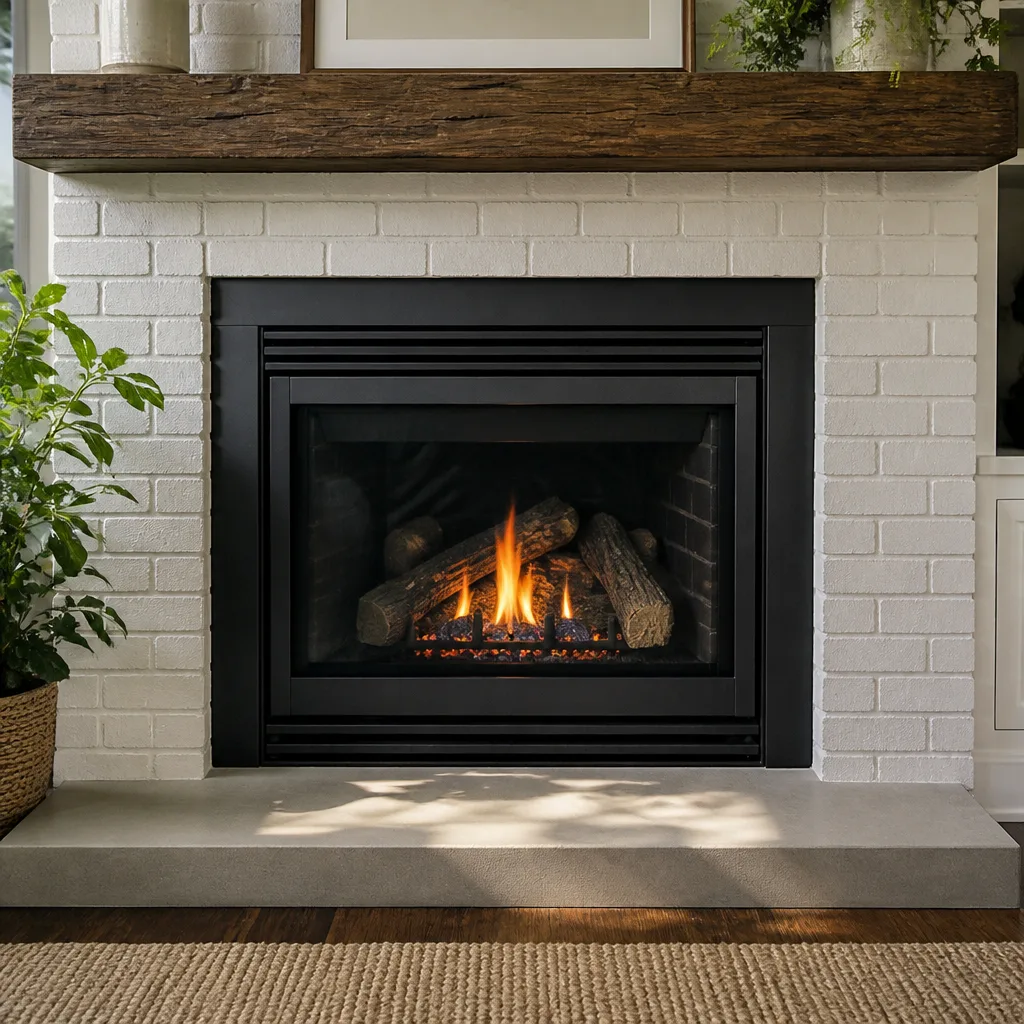 Gas fireplace service
Level 1 sweep and inspection to the NFPA 211 annual standard - flue, crown, cap, and flashing checked and photographed
Chimney sweep logs do not sweep chimneys. They loosen some creosote - which then falls where a brush and vacuum still have to collect it.
Chimney Sweep Troubleshooting in Sunrise Manor: Common Problems and How to Fix Them
If your fireplace smokes back into the room on cold mornings but drafts fine once it warms up, that’s not a damper problem. It’s a pressure differential issue caused by a cold flue column, and it has a specific fix. Most chimney problems homeowners chalk up to “bad wood” or “old age” are actually diagnosable, fixable flue conditions with identifiable causes. A smoking fireplace, a draft that reverses in the evening, a damper that won’t seal, white staining on the exterior chase: each one points to a particular failure mode, and naming it accurately is the first step toward fixing it. This guide names them precisely so Sunrise Manor homeowners can describe the problem accurately before a technician ever arrives.
Quick Answer
The most common chimney problems in Sunrise Manor come down to four things: draft failure (cold flue, house pressure, undersized flue, or obstruction), creosote buildup shaped by the dry desert climate, a damper that doesn’t seal or is the wrong size, and interior liner damage that shows up as spalling or efflorescence on the exterior chase. Each has a distinct presentation and a specific repair. A professional inspection with a camera confirms which condition you have before any work is recommended.
Styles & brands we work with
- Sweep & inspection
- Caps & crowns
- Flue relining
- Masonry repair
- Gas fireplace service
Table of Contents
- The Four Types of Draft Failure and How Each One Presents
- Why Desert Climates Produce Specific Creosote Patterns
- Damper That Won’t Seal vs. Damper That’s the Wrong Size
- What Spalling and Efflorescence Tell You Before You Look Inside
- Why a “Passing” Inspection Doesn’t Rule Out the Real Problems
- Step-by-Step Homeowner Troubleshooting
- Repair or Restore: Matching the Solution to the Condition
- What Can Safely Wait and What Can’t
The Four Types of Draft Failure and How Each One Presents
Draft failure is the single most common complaint we troubleshoot, and it’s also the most misdiagnosed. Homeowners often assume a bad damper or wet wood. In reality, four distinct conditions cause smoke to spill, and each one looks different from the couch. Knowing which pattern you have narrows the fix before anyone opens the firebox.
1. Cold flue column. The chimney is full of cold, dense air that won’t rise until it’s warmed. This presents as smoke spilling on the first fire of a cold morning or evening, then drafting fine once the flue heats up. It’s a pressure and temperature issue, not a blockage. A priming burn or a properly sized liner helps, and a top-sealing damper can reduce the cold-air column between fires.
2. Negative house pressure. The house itself is pulling air down the chimney. This shows up as smoke spilling in a tight, well-sealed home, often worse when a kitchen or bath exhaust fan runs, or when the furnace kicks on. Crack a nearby window and the smoking often stops. That’s the tell.
3. Undersized flue. The flue is too small for the firebox opening or the appliance connected to it. Smoke spills steadily at the top of a strong fire and improves as the fire dies down. This one doesn’t go away with better wood.
4. Obstruction. Something is blocking the flue: a nest, a collapsed liner section, or heavy creosote. It presents as smoke rolling back regardless of fire size or temperature, often with a weak or uneven draft from the start.
In Sunrise Manor, where winter mornings swing cold and afternoons warm quickly, the cold-flue pattern is common and gets mistaken for a broken damper. A camera inspection distinguishes the four clearly.
Why Desert Climates Produce Specific Creosote Patterns
Creosote doesn’t form the same way everywhere. The desert climate around Sunrise Manor shapes it in ways homeowners moving from wetter regions don’t expect.
Wood burned here tends to be lower in moisture because it seasons fast in dry air. Low-moisture wood burns hotter, and hotter combustion produces a different creosote profile: more of the hard, glazed, glassy type and less of the soft, flaky soot you see in humid climates. Glazed creosote is the more stubborn form. It bonds to the flue wall, it doesn’t brush off with a standard sweep alone, and it’s the type most associated with chimney fire risk.
A few practical consequences:
- Seasoned wood matters more here, not less. Wood that’s been rained on or stored uncovered adds moisture back and swings combustion back toward soft, smoldering creosote.
- Hot, fast fires with dry wood can glaze the flue faster than a slow, smoldering fire in a wet climate. Frequency of sweeping depends on how you burn, not just how often.
- Glazed deposits often need chemical treatment or mechanical rotary cleaning before a standard sweep will remove them. Ask what type of creosote was found.
If you’re unsure what’s in your flue, a chimney sweep with a camera will tell you the creosote stage, not just that “it needs cleaning.”
Damper That Won’t Seal vs. Damper That’s the Wrong Size
“My damper is broken” gets used for two different problems. They look similar from the hearth but need different fixes.
A damper that won’t seal is the classic failure. The metal warps from heat over time, the hinge rusts, or the frame no longer meets the plate flush. You close it and can still feel cold air coming down, or you can see light around the edges. This is a mechanical wear issue. The fix is repair or replacement of the damper assembly, and it’s usually straightforward.
A damper that’s the wrong size is subtler. The damper closes fine and seals correctly. The problem is that the firebox opening is larger than the damper was designed for, or the firebox was modified at some point and the damper no longer matches. Smoke spills at the top of the fire because the throat opening can’t handle the volume the firebox produces. Replacing the damper with the same size won’t help. This one often points to a flue or firebox sizing problem, not a damper problem.
Here’s how to tell them apart before a technician arrives:
- Close the damper completely in a dark room and look up from the firebox. Light around the edges means a sealing failure.
- Open the damper fully, light a small fire, and watch where the smoke first spills. Smoke at the top of the firebox opening suggests sizing; smoke rolling evenly suggests sealing.
- Note whether the problem is worse on a cold start or a hot fire. Cold-start smoking points elsewhere (draft), while hot-fire smoking points to sizing.
Getting this distinction right saves a homeowner from paying to replace a damper that wasn’t the problem. In our experience, the wrong-size scenario is more common in older Sunrise Manor homes where a firebox was opened up or an insert was added without resizing the throat.
What Spalling and Efflorescence Tell You Before You Look Inside
You can learn a great deal about interior liner condition from the outside of the chimney, before anyone opens the firebox. Two visible signs matter most.
Spalling is the flaking or crumbling of masonry on the exterior chase. When brick or mortar face begins to pit and shed, it’s usually a sign that moisture has been getting into the masonry and freezing or expanding inside it. On a chimney, that moisture often comes from the interior: a cracked or deteriorated flue liner lets combustion byproducts and moisture through the wall of the flue and into the surrounding brick. Spalling on the chase is a strong early signal that the liner needs a camera inspection.
Efflorescence is the white, powdery staining that appears on brick and mortar. It’s salt pushed to the surface as moisture moves through the masonry and evaporates. Efflorescence alone isn’t damage, but it means moisture is moving through the chimney where it shouldn’t. On a chimney chase, that frequently traces back to a liner issue or a missing or failed crown, which lets water enter from the top.
Together, spalling and efflorescence are the two visible signals that justify a closer look even when the fireplace seems to work fine. They don’t confirm a specific failure, but they tell you the chase is being wetted from somewhere, and the interior liner is the first place to check. If either is present, a camera inspection is worth doing before the next burn season.
Our technicians have up to 14 years of experience reading these exterior signs and matching them to what the camera finds inside. The pattern on the outside usually tells you what to look for on the inside.
Why a “Passing” Inspection Doesn’t Rule Out the Real Problems
A passing inspection from a generalist often means one thing: nothing was obviously wrong on a visual check. It doesn’t mean the flue is sound, and it doesn’t rule out the specific failure modes that cause the most common complaints.
Here’s why. A generalist inspection without a camera sees only what’s visible from the firebox and the top of the flue. It cannot see:
- Cracks in the flue tile that open on the interior face
- Gaps at tile joints where combustion gases and moisture escape
- Glazed creosote bonded to the flue wall in the mid-flue
- A liner that’s deteriorated but still structurally in place
- The exact cause of a draft failure, which requires understanding airflow, not just looking for blockages
A camera inspection with a photo report is what actually rules out those conditions. It’s the difference between “it looks fine” and “we can show you the interior of every section of the flue.” When a technician recommends a liner repair or a HeatShield resurfacing, you should be able to see the crack or the spalling on the screen, not just take a verbal account of it. That’s the standard we hold ourselves to, and it’s the standard to ask for from anyone inspecting your chimney.
For a homeowner in Sunrise Manor, where masonry fireplaces in established homes are common, the generalist pass can hide exactly the problems that later cause smoke spill and liner failure. Ask for the camera evidence.
Step-by-Step Homeowner Troubleshooting
Before calling, a homeowner can narrow the problem substantially with a few observations. None of these steps involve opening the flue or reaching into the firebox, which are jobs for a trained technician. These are observation steps only.
- Note when the smoking happens. Cold start, hot fire, windy day, or when a bath fan runs. The timing points to the draft failure type.
- Try the window test. Crack a nearby window a half inch and relight. If the smoking stops, negative house pressure is likely the cause.
- Check the damper in a dark room. Close it completely, look up from the firebox, and note whether you can see light around the edges.
- Look at the exterior chase. Spalling, white staining, or crumbling mortar all warrant a camera inspection.
- Note the wood. Was it seasoned and dry, or freshly cut? Wet or unseasoned wood changes the creosote profile and can cause smoking on its own.
- Smell the firebox on a mild day. A strong smoke smell when the fireplace is idle suggests a damper that isn’t sealing or a flue that’s overdue for cleaning.
Write down what you observe. When you call for an estimate, describing the pattern in these terms helps the technician arrive with the right diagnostic tools the first time.
If the fireplace has ever had a chimney fire, no matter how small, don’t try to troubleshoot it yourself. A chimney fire can crack the flue without any obvious exterior sign. That’s an immediate call for a professional inspection.
Repair or Restore: Matching the Solution to the Condition
Once the condition is identified, the fix follows. In most cases, the choice is between restoring the existing flue and replacing a section of it. The right answer depends on what the camera finds.
When restoration works. If the flue tiles are cracked or spalled but the chimney structure is sound, resurfacing is often the better choice than a full rebuild. HeatShield is a proprietary resurfacing system that restores a deteriorated flue liner from the inside without demolition. It’s a technically advanced option most sweep companies can’t offer, and it saves the homeowner the cost and disruption of tearing out the chimney. For a masonry flue with isolated damage, this is often the repair that fits.
When relining works. If the flue is badly damaged, or the appliance requires a liner that meets current code, a flexible liner system is the answer. DuraFlex flexible liners reline masonry and prefabricated chimneys and bring older chimneys up to code-compliant performance. Together with professional-grade components from Gelco, Famco, and Olympia Chimney, a reline restores a chimney that would otherwise need rebuilding. The materials matter here, and we source from those lines because they’re the same ones certified chimney specialists use, not what you’ll find at a hardware store.
The repair decision should be driven by evidence you can see: the camera photo of the crack, the extent of the spalling, the stage of the creosote. If a technician recommends thousands of dollars of liner work without showing you the interior of the flue, ask to see it. Nothing we recommend is done without camera evidence the homeowner can review.
Repairs are performed by the same technicians who sweep, so there’s no handoff to a second crew. That continuity matters when it comes to accountability. If you also want the Paragon Chimney Sweep team to look at your dryer vent while they’re there, we handle that in the same visit, since dryer vents are a separate but related fire-safety concern in the same home.
What Can Safely Wait and What Can’t
Not every finding is urgent. Some conditions can safely wait for the next season; others shouldn’t. Here’s how we think about it.
Can usually wait:
- Soft, light creosote buildup that isn’t yet restricting draft
- A damper that seals but is a bit stiff to operate
- Minor efflorescence with no interior liner damage confirmed on camera
- A chase that needs repointing but shows no spalling into the flue
Shouldn’t wait:
- Glazed creosote in the flue, which is the type associated with chimney fire risk
- Any crack in the flue tile confirmed on camera
- A chimney that has had a fire, even a small one
- Smoke spilling into the room when the fireplace is in use
- Spalling on the chase with a camera-confirmed liner breach
The rule of thumb: if the condition risks letting combustion gases or fire escape the flue, or lets water into the chimney structure, it’s worth fixing before the next burn season. If it’s cosmetic or slow-moving, it can be scheduled without urgency. We tell homeowners plainly when work can safely wait, because the reason to act is safety, not sales pressure. Before burning season starts is the right time to have the inspection done, whatever the findings turn out to be.
Common Mistakes to Avoid
- Blaming wet wood for every smoking problem. Wet wood causes its own issues, but if the smoking pattern is a cold-start spill or a fan-triggered spill, the cause is airflow, and dry wood won’t fix it.
- Replacing a damper that wasn’t the problem. A damper that seals fine but is undersized for the firebox won’t fix smoke spill when replaced with the same size. Confirm which problem you have first.
- Ignoring white staining on the exterior chase. Efflorescence means moisture is moving through the masonry. In Sunrise Manor’s dry climate, that moisture is usually coming from inside the flue, and that’s worth checking.
- Treating a generalist’s “looks fine” as a full inspection. A visual check without a camera can’t see interior cracks or glazed creosote. Ask for the camera report.
- Burning unseasoned or rain-soaked wood in a desert climate. The dry air seasons wood fast, but wood stored uncovered swings back toward smoldering fires and soft creosote. Cover it and burn it dry.
- Putting off an inspection after a chimney fire because the fireplace still works. A cracked flue is invisible from the hearth and is exactly the condition a camera catches. Working fine and being safe are different questions.
- Letting a dryer vent go unchecked because the chimney was just serviced. Dryer vents are a separate fire-safety concern in the same home, and a single visit handles both. Ask for the dryer vent cleaning at the same appointment.
See the difference
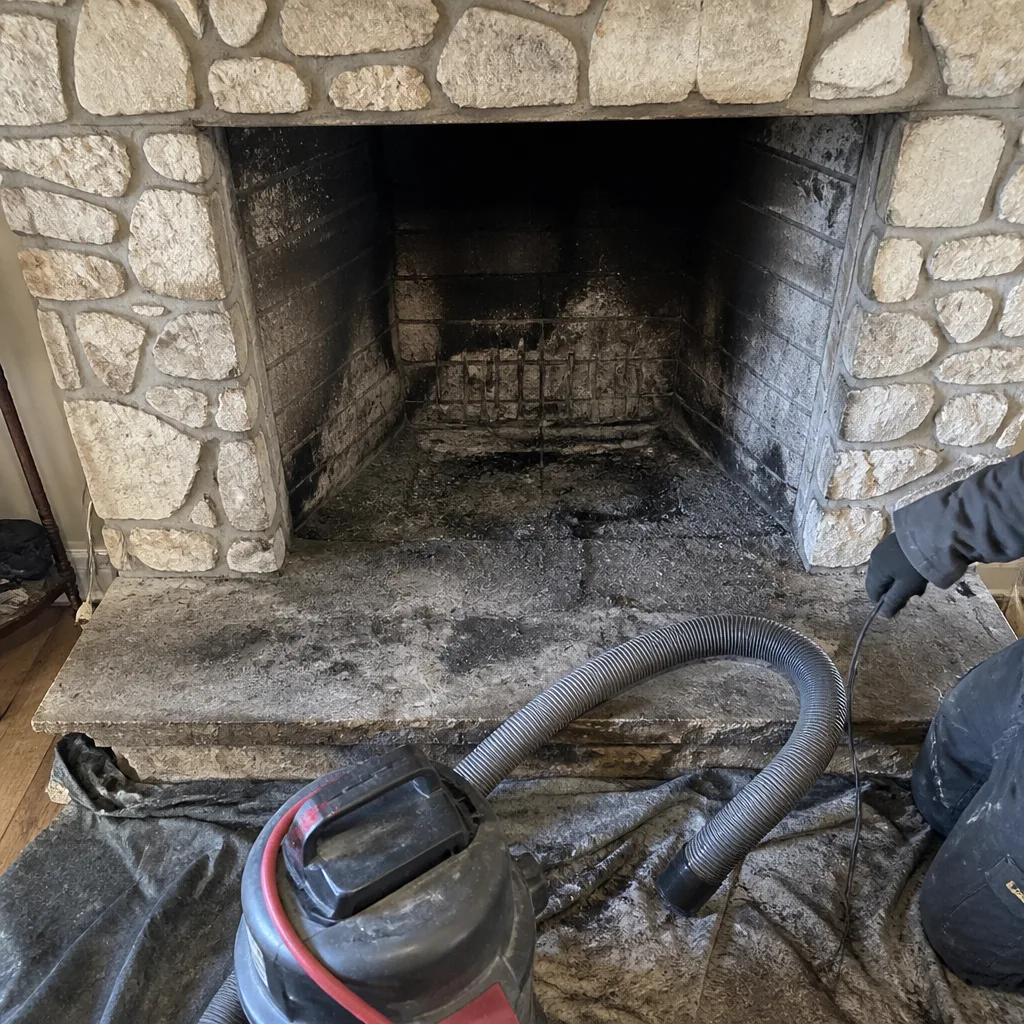 Before
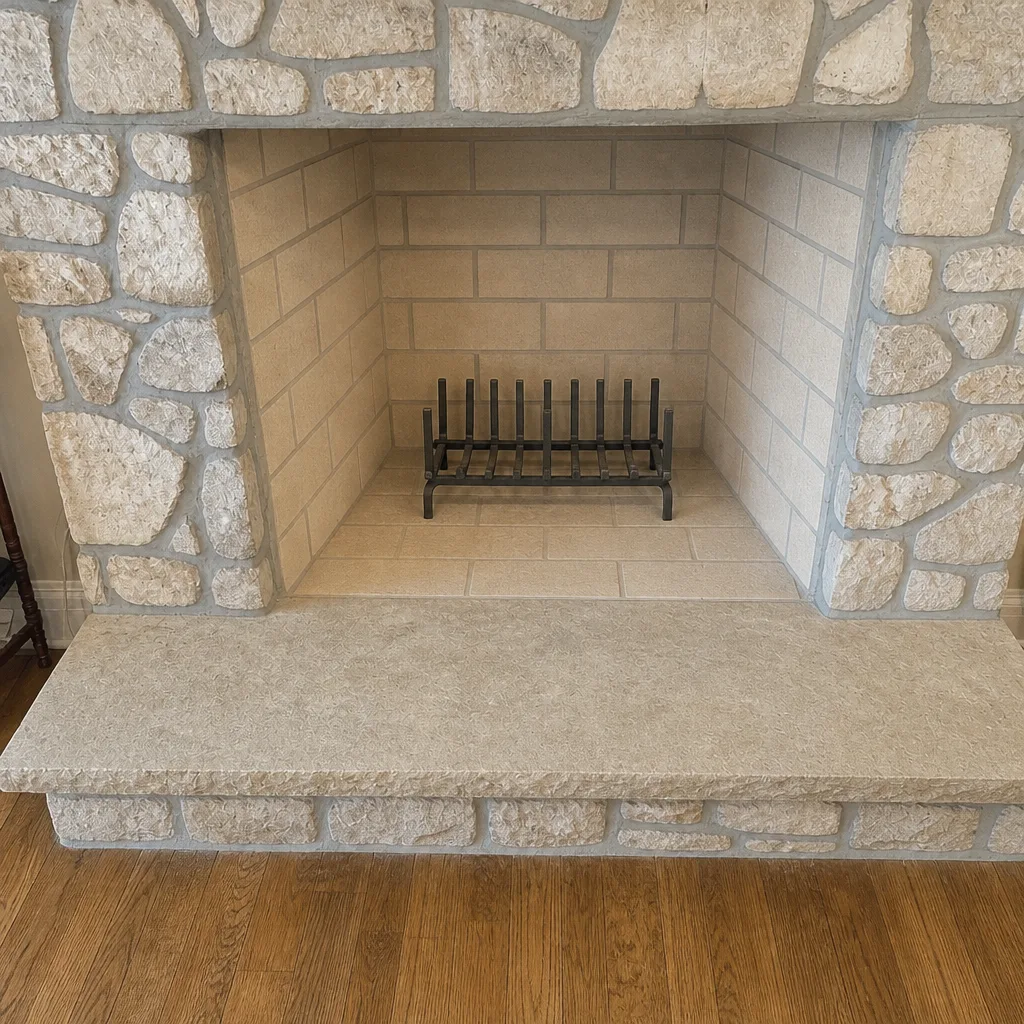 After
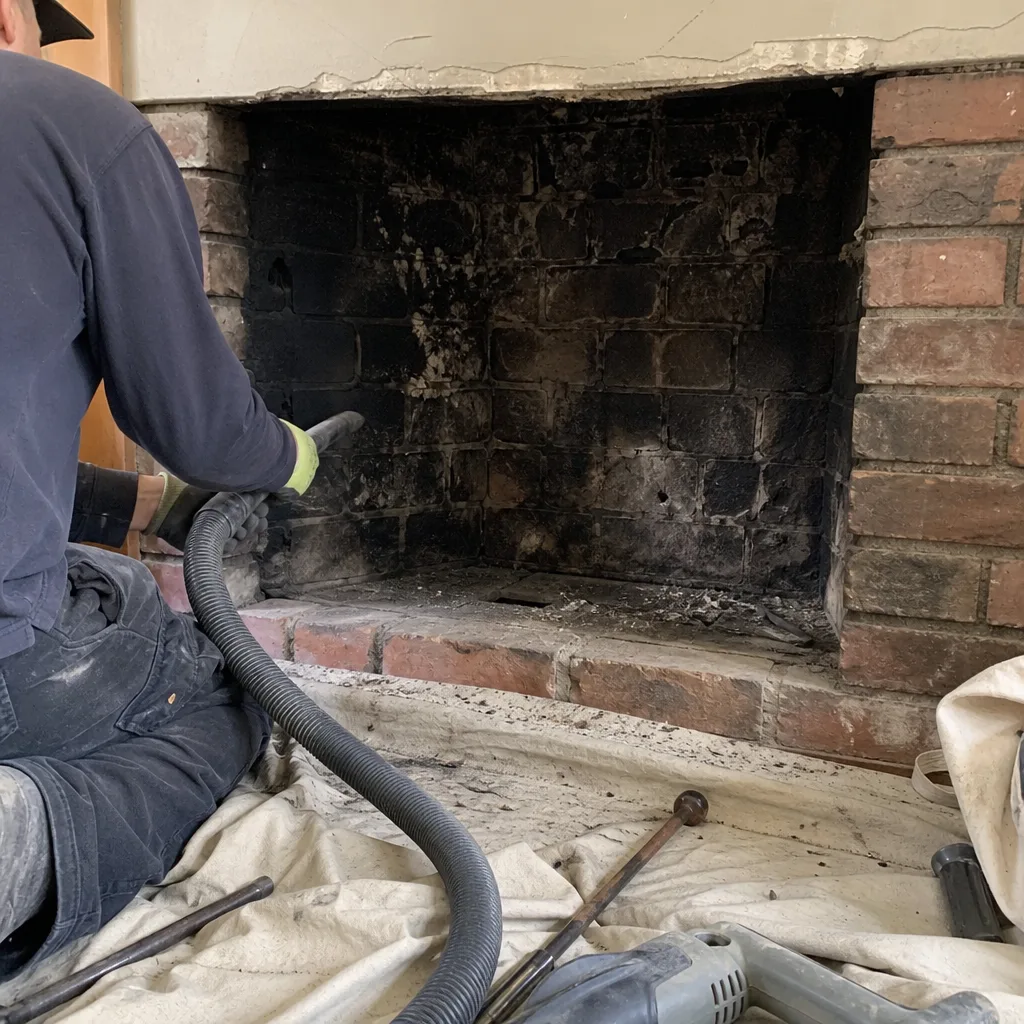 Before
 After
 Before
 After
When to Call a Professional
Call a professional when smoke spills into the room during a fire, when the damper won’t seal or operates stiffly, when you see spalling or white staining on the exterior chase, when the fireplace smells strongly of smoke on mild days, or when the chimney hasn’t been inspected before the coming burn season. Also call if the fireplace has ever had a chimney fire, even a small one. The four draft failure types and the two damper problems all require a camera inspection to diagnose correctly, and none of them should be handled by a homeowner reaching into the firebox. Paragon Chimney Sweep offers free estimates in Sunrise Manor and can diagnose and repair in the same visit. Call (833) 486-5098. We answer 24/7. Fast dispatch from 7am to 7pm, Sunday through Friday.
Frequently Asked Questions
That’s the cold flue column pattern, and it’s a pressure and temperature issue, not a damper problem. The flue is full of cold, dense air that can’t rise until it warms. A priming burn, a properly sized liner, or a top-sealing damper that reduces the cold-air column between fires addresses it. Call (833) 486-5098 for an exact quote. Estimates are free.
A damper that won’t seal shows light around the edges when closed in a dark room and needs repair or replacement. A damper that’s the wrong size seals correctly but can’t handle the volume of a firebox opening that’s larger than it was designed for, which usually points to a sizing problem rather than a damper problem. A camera inspection distinguishes them. Call (833) 486-5098 for a free estimate.
It changes the pattern rather than simply making it worse. Low-moisture wood burns hotter, which produces more hard, glazed creosote and less soft soot than you’d see in a humid climate. Glazed creosote is the type most associated with chimney fire risk and often needs chemical treatment or rotary cleaning beyond a standard sweep. An inspection will tell you which creosote stage you have.
White staining is efflorescence, salt pushed to the surface as moisture moves through the masonry. It means moisture is passing through the chimney where it shouldn’t. On a chimney chase, that often traces back to a liner issue or a failed crown. It’s the signal to have a camera inspection done before the next burn season.
A sweep is enough only if the flue is sound and the creosote is soft. If the camera shows cracked or spalled tiles, a liner repair or resurfacing is the answer, and HeatShield resurfacing can restore many flues without a full rebuild. Nothing should be recommended without camera evidence you can look at. Call (833) 486-5098 for a free estimate.
Yes, if it’s a visual check without a camera. Interior cracks, glazed creosote in the mid-flue, and gaps at tile joints are invisible from the firebox and the flue top. Ask for a camera inspection with a photo report instead of a verbal “looks fine.”
The Bottom Line
Most chimney complaints in Sunrise Manor aren’t caused by bad wood or an old chimney. They’re caused by one of four draft failures, one of two damper problems, glazed creosote shaped by the desert climate, or interior liner damage that shows up on the exterior chase. Each has a distinct presentation, and each is diagnosable with a camera before any work is recommended. The right approach is to name the condition accurately, see the evidence, and match the repair to it: HeatShield resurfacing for cracked tiles, a DuraFlex liner for a flue that needs relining, a proper sweep for soft creosote. If you’re not sure which condition you have, that’s the point where a professional inspection pays for itself.
Call Paragon Chimney Sweep at (833) 486-5098 for a free estimate. We answer 24/7. Fast dispatch from 7am to 7pm, Sunday through Friday. Our technicians have up to 14 years of experience diagnosing the problems this guide covers, and we’ll show you exactly what we find before we recommend anything.
Written by the team at Paragon Chimney Sweep.