
Last updated November 15, 2026
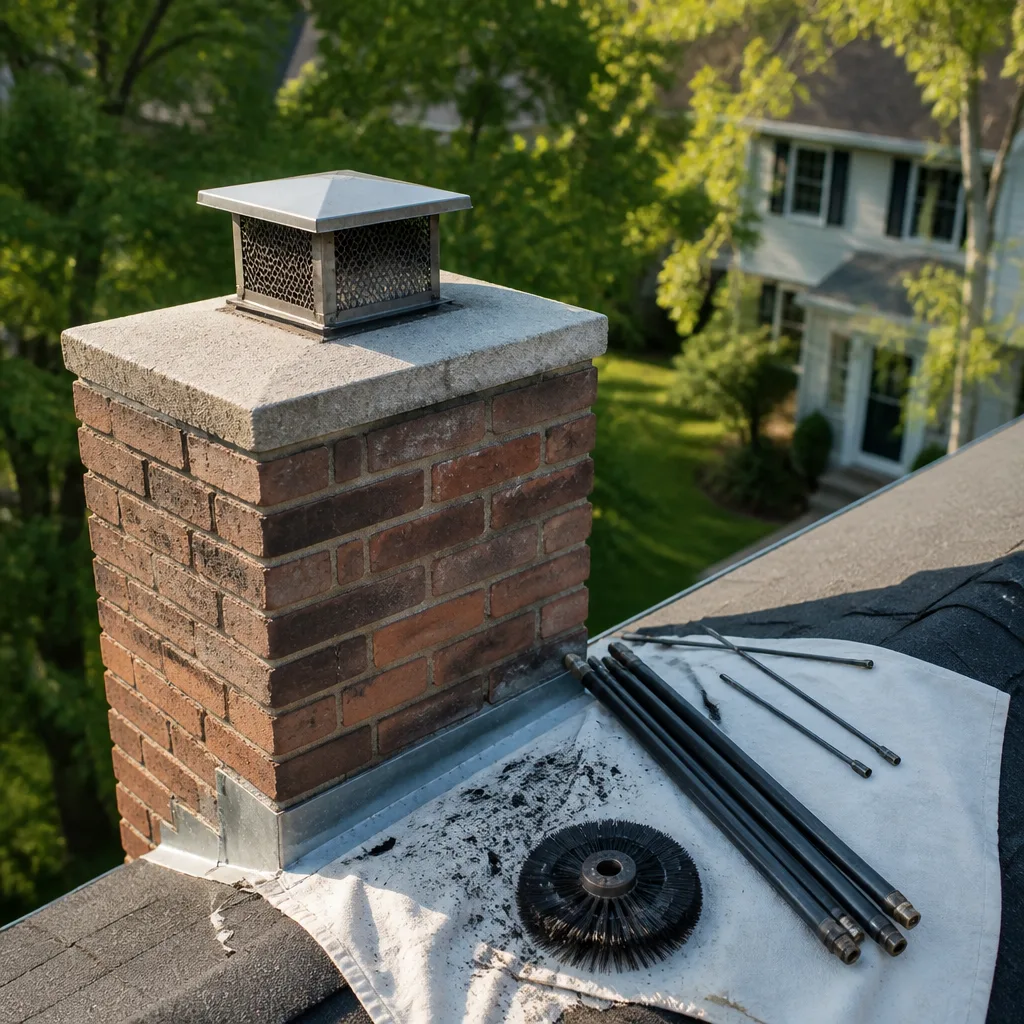 Sweep & inspection
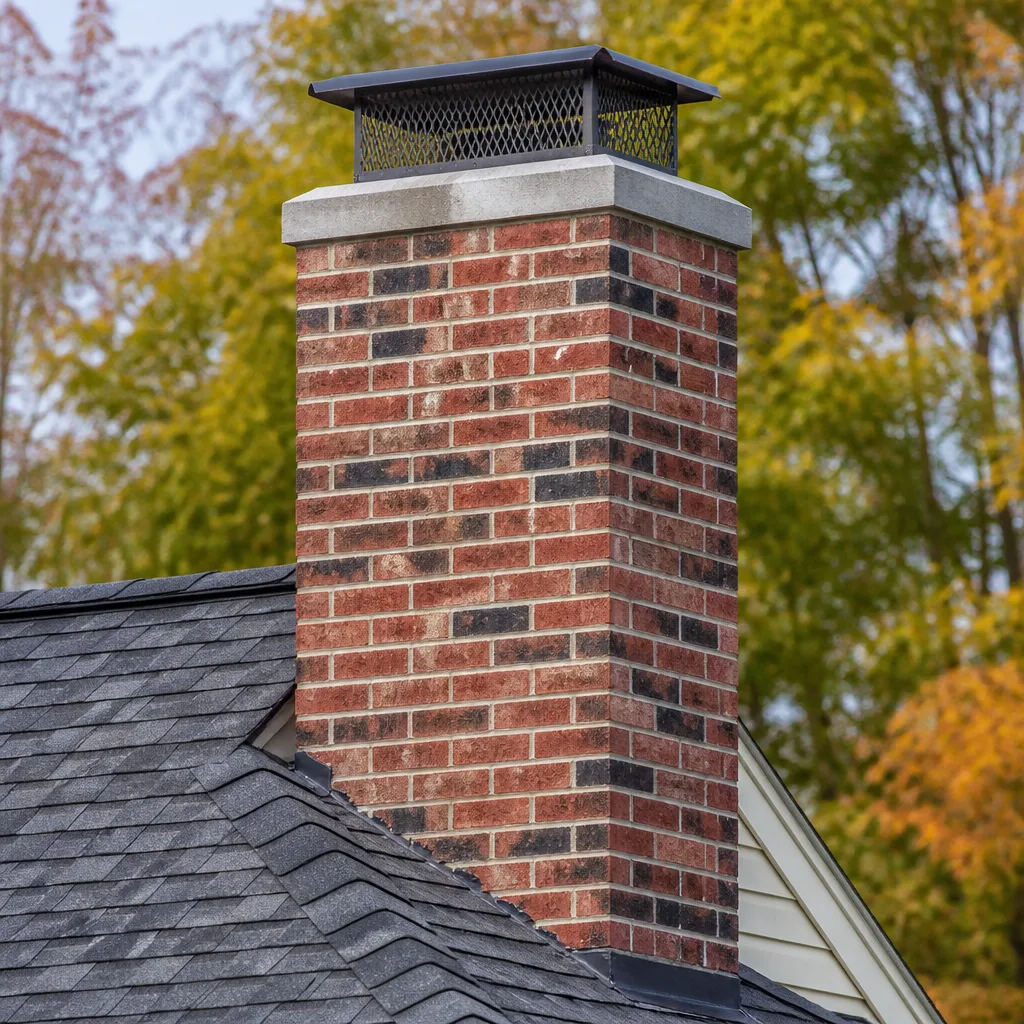 Caps & crowns
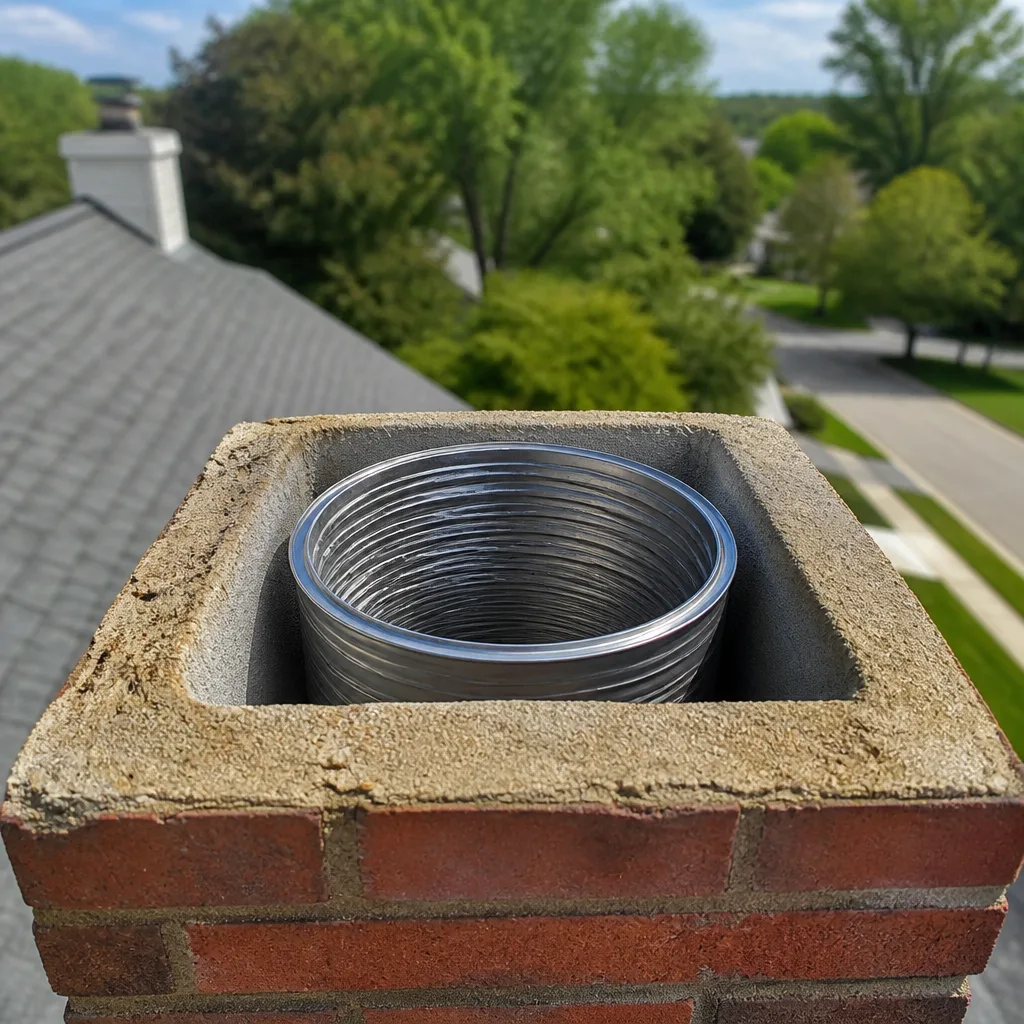 Flue relining
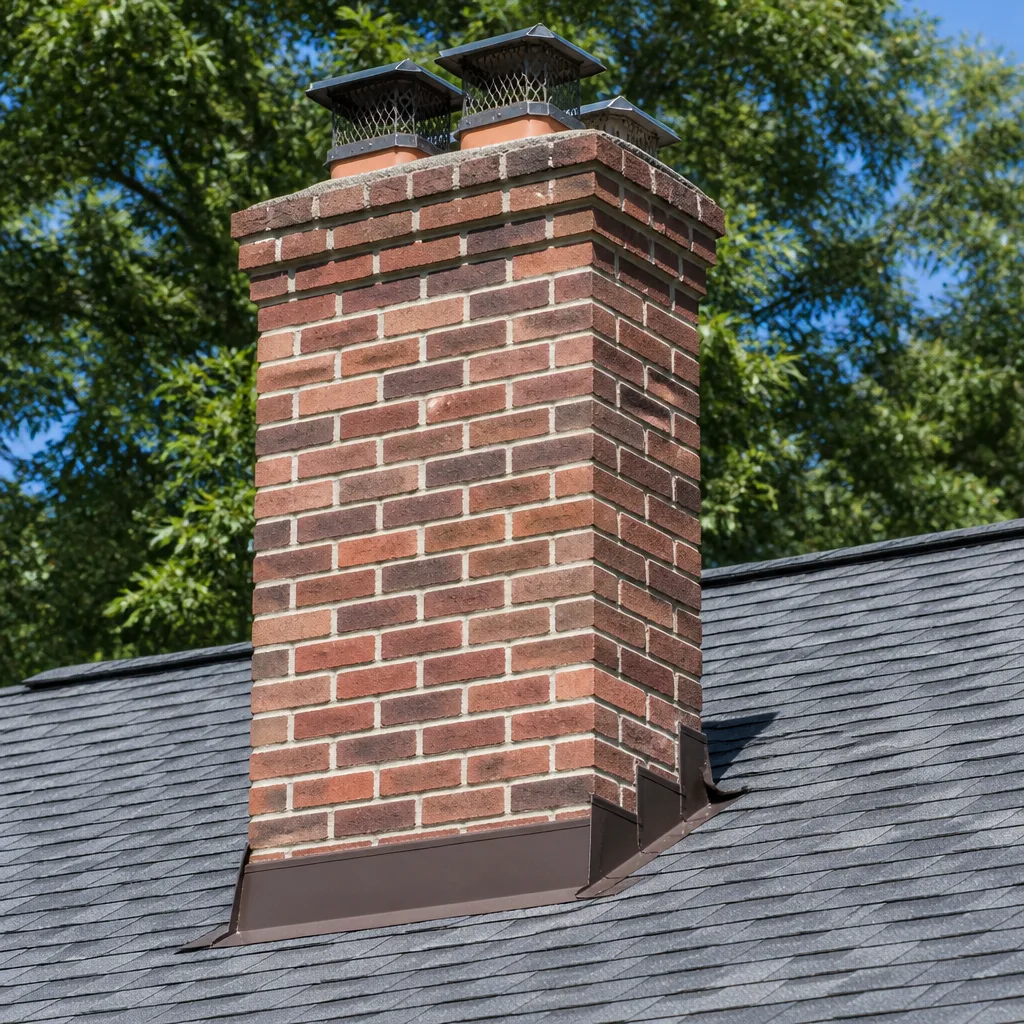 Masonry repair
 Gas fireplace service
Level 1 sweep and inspection to the NFPA 211 annual standard - flue, crown, cap, and flashing checked and photographed
Chimney sweep logs do not sweep chimneys. They loosen some creosote - which then falls where a brush and vacuum still have to collect it.
The Complete Guide to Chimney Cleaning in Sunrise Manor
Most Sunrise Manor homeowners light their fireplace a handful of nights a year, if that. It feels low-risk. It isn’t. Infrequent use is one of the fastest paths to a hazardous flue, because the small fires that never get hot enough to burn clean leave behind soft, sticky creosote that never gets a chance to cook off. Add desert dust, stucco dust, and the temperature swings that work on mortar joints all year, and a chimney here ages on a different schedule than the ones in cold-country rulebooks. This guide covers how cleaning actually works in Sunrise Manor, what to check, and how to know the job was done right.
Quick Answer
Chimney cleaning in Sunrise Manor means removing soot, creosote, and dust from a flue that sees low, occasional use in a dry climate, then inspecting the liner and mortar for deterioration driven by the local temperature swing. A proper job pairs a mechanical sweep with a camera inspection and a photo report, and it’s typically booked once a year or before the first cold snaps, whichever comes first. The sweep itself usually takes under an hour; the inspection is where most problems get caught.
Styles & brands we work with
- Sweep & inspection
- Caps & crowns
- Flue relining
- Masonry repair
- Gas fireplace service
Table of Contents
- Why Low-Use Fireplaces in Sunrise Manor Accumulate Debris Differently
- How the Sunrise Manor Temperature Swing Affects Mortar and Liner
- Level 1 vs. Level 2 Inspections: What Each One Actually Reveals
- The Tools and Brush Sizes for Nevada’s Common Prefab Fireplaces
- What Stucco-Heavy Construction Means for Your Chimney
- How to Verify a Chimney Cleaning Was Done Correctly
- How Often Should You Schedule Cleaning in Sunrise Manor?
- When Cleaning Turns Into Repair: HeatShield and DuraFlex
Why Low-Use Fireplaces in Sunrise Manor Accumulate Debris Differently
A fireplace used once a week through a cold winter burns hot enough, long enough, to dry out and burn off the light, flaky creosote that forms at the start of a fire. A fireplace used a dozen nights a year does the opposite. Every fire deposits a fresh layer of creosote, and almost none of those fires run long enough to drive it off. What builds up is the soft, glazed, high-ignition-risk kind.
The dry air in Sunrise Manor compounds it. There’s little humidity to keep flue walls conditioned, so each fire’s heat stress is sharper and the residue sets harder. And because the fireplace isn’t running, nobody’s looking up the flue. Debris accumulates quietly for two or three years before anyone thinks to schedule a sweep.
Our technicians have up to 14 years of experience, and the pattern we see across Sunrise Manor is consistent: a fireplace that gets brushed more often than a heavier-use one in a colder climate, because the buildup here is more stubborn, not lighter.
What’s actually in the flue
- Soot: Fine, dry, brushes out easily.
- Stage 1 creosote: Soft and flaky. Removed with a standard brush.
- Stage 2 creosote: Hard, glazed, and bonded to the liner. Needs mechanical scraping or a chemical treatment. The most common stage in Sunrise Manor for fireplaces used lightly for a few seasons.
- Stage 3 creosote: Concentrated. A genuine fire hazard. Never brushes out cleanly and typically means liner work.
- Dust and debris: Windborne desert dust settles into a flue that isn’t running. None of this dries out or gets carried away by a fire that never happens.
If you notice a black, shiny layer on the flue walls, that’s not soot, it’s creosote, and it’s the reason a sweep isn’t optional. We’re not telling you to check it yourself, and we’re not giving you a method that puts you on a ladder. Just know what you’re looking at when a technician shows you the camera feed.
How the Sunrise Manor Temperature Swing Affects Mortar and Liner
Sunrise Manor’s daily swing is the quiet engine behind most chimney deterioration here. A summer afternoon and a summer night can be dozens of degrees apart, and winter nights drop fast after warm days. Brick and mortar expand and contract on that swing all year, whether or not the fireplace is lit. The mortar is the soft, sacrificial material in a masonry chimney, and it wears out first.
Cracked, crumbling, or missing mortar joints let moisture and heat move where they shouldn’t and weaken the bond between the flue liner and the masonry. A liner that’s fine one season can have a visible crack the next because the joints around it gave way. When a liner has an open joint or a gap, hot gases and sparks have a path into the structure of the house, and that’s a repair that can’t wait.
This is also why cleaning and inspection in Sunrise Manor aren’t the same job. Cleaning removes what’s inside the flue. Inspection finds the thermal wear on the outside of the liner, which cleaning never touches. If the inspection turns up cracked joints or a deteriorated liner, that’s when a repair conversation starts, and it’s better to have that conversation before the heating season than in the middle of it.
What to expect from an inspection on the liner
A cast-in-place liner repair using HeatShield resurfaces a cracked or spalling flue without tearing down the chimney. A flexible relining system using DuraFlex brings a damaged or aging chimney up to code-compliant performance. Both are assessed by a technician, not guessed at on the phone. If the liner is sound, we say so, and no work is recommended.
Level 1 vs. Level 2 Inspections: What Each One Actually Reveals
A Level 1 inspection is the baseline check that comes with a routine sweep. It’s a visual and mechanical look at the accessible parts of the system: the firebox, damper, smoke chamber, flue, and the chimney exterior at ground level. It catches soot, creosote, obvious blockages, and visible damage. For most Sunrise Manor homes on a steady cleaning schedule, Level 1 is the default.
A Level 2 inspection is a camera-based look at the full flue, including areas a Level 1 can’t reach, and it’s the inspection you want when something changes. It applies when:
- You’ve just bought or moved into a home in Sunrise Manor and don’t know the chimney’s history.
- You’ve switched fuel types or added an insert.
- You’ve had a chimney fire, a flue fire, or a sudden change in how the fireplace drafts.
- You’ve had storm or impact damage, or a masonry crack has appeared.
- It’s been several seasons since the last inspection.
In practice, a Level 2 camera inspection is what turns “the sweep looked fine” into a picture of the liner’s actual condition. It’s the inspection that finds the small hairline crack running the length of a flue tile before it becomes a structural problem.
What you should see from a Level 2 inspection
- A clear picture of the full flue, top to bottom, on camera. Not just the firebox.
- The liner’s condition, including joints and any cracks. You get to see the actual surface, not a summary.
- Photos you can keep. A written report with images that documents what was found and what’s recommended.
- A recommendation you can verify. If work is suggested, the camera evidence is what justifies it, and you’re not asked to take anyone’s word for a several-thousand-dollar repair.
- The name of the material. If a liner repair is recommended, it should name the system, such as HeatShield or DuraFlex, along with the brand of components, such as Olympia Chimney, Famco, or Copperfield.
If a company recommends liner work without giving you the camera evidence behind it, that’s the moment to ask for it, and to call someone else if it isn’t provided. We can’t verify anyone else’s work, but we can tell you what a proper report looks like.
The Tools and Brush Sizes for Nevada’s Common Prefab Fireplaces
Much of the tract housing in Sunrise Manor was built with prefabricated metal fireplaces rather than full masonry chimneys, and a pre-fab flue is a different animal. Its walls are usually thinner and often stainless steel or a layered metal liner, and its flue diameter is narrower than a masonry flue. Getting this wrong is how a flue gets scratched or a liner gets scored.
Tools we rely on for these systems:
- Polypropylene brushes: The standard for prefab and stainless liners. They remove soot and creosote without scratching the metal, which a wire brush can do.
- Brush size matched to flue diameter: A brush that’s too large deforms the flue or won’t pass; too small, and the walls never get contacted. The size has to match the actual flue, not the fireplace opening.
- Flexible rods: Needed for offset and angled flues common in pre-fab installations.
- Chimney camera: The only way to confirm the top of the liner and see past the first offset.
- Industrial vacuum: Sealed to the firebox, so soot and dust stay inside the flue instead of traveling through the house. This matters in Sunrise Manor, where fine dust migrates fast once it’s airborne.
On a masonry chimney in an older Sunrise Manor property, the tooling changes: stiff-bristle or wire brushes where the liner permits, heavier scraping for glazed creosote, and a larger brush set. What doesn’t change is the vacuum setup and the camera. The camera is how we find stage 2 or 3 creosote, and it’s how a homeowner verifies what’s inside the flue.
If a competitor offers a one-size-fits-all sweep with no camera, ask what they’ll use. If the answer is vague, that’s your answer.
What Stucco-Heavy Construction Means for Your Chimney
Stucco is the exterior finish on most Sunrise Manor homes, and it has two consequences for chimney work. First, stucco is a hard, rigid shell that hides the condition of the masonry underneath. Cracking behind stucco, water intrusion, and flashing problems don’t show up as visible damage until they’re well along. If the chimney chase is stuccoed, a routine visual inspection from the ground won’t tell you much about what’s happening at the flashing and the top course. That’s a case where the camera and a close look matter.
Second, stucco cracks from the same temperature swing that works on the mortar joints. The chimney chase and the crown are common places for it, and a cracked crown lets moisture in. In a dry climate you’d think moisture isn’t the problem. It’s the opposite: the moisture that does get in after a rare rain, combined with the heat, drives fast expansion and contraction cycles. It’s the same mechanism, just quieter.
On HVAC penetrations, dryer vents, and chimney chases alike, the exterior of a stucco house rewards a careful look at the flashing and the crown. That’s part of why we combine a chimney sweep with dryer vent cleaning in a single visit for Sunrise Manor homes. One trip, one walk-around, and both exhaust paths get checked in the same pass.
How to Verify a Chimney Cleaning Was Done Correctly
You can’t see inside your own flue from the living room, which makes “trust me” a bad basis for a cleaning. The good news is you don’t have to. A proper sweep gives you evidence you can see. Here is what to check:
- The camera, before and after. Ask to see the flue on camera at the start and the finish. A clean flue looks different from a sooted one, and you don’t need training to tell.
- No soot on the firebox or floor. There should be no fine black film left on the firebox opening, hearth, or the floor around the fireplace.
- The vacuum is sealed to the firebox. If dust is drifting through the house while the sweep runs, the setup is wrong.
- The debris goes into a container, not the room. What comes out of the flue has to be removed cleanly, not brushed onto the hearth.
- A written report with photos. You get a document, not a verbal summary. If the report finds damage, it shows the picture.
- An estimate before any repair, in writing. Nothing gets recommended and started in the same breath without the estimate the price is based on.
- The materials named. If a repair is proposed, you should see the system named, such as HeatShield or DuraFlex, not “the liner we use.”
Ask for the camera feed, and ask for the report. A crew with nothing to hide will show you both. That’s what the Paragon standard looks like in practice: we don’t want you to take our word for it, we want you to see it.
How Often Should You Schedule Cleaning in Sunrise Manor?
For a Sunrise Manor fireplace used even a few nights a year, once a year is the right baseline. That’s more often than the “only when the flue is 1/8 inch thick with creosote” advice you’ll find in colder climates, and the reason is the low-use problem: the buildup here sets harder and doesn’t clear on its own. An annual sweep plus a camera check catches it before it becomes a liner problem.
Some situations push it to twice a year or a Level 2 inspection sooner:
- The fireplace has been used heavily for a season, or burned wet or unseasoned wood.
- You’ve noticed a change in how the fire draws, or smoke coming into the room.
- The home is new to you and you don’t know the chimney’s history.
- You see cracked or missing mortar on the chimney chase or crown.
- You burn any manufactured logs, which can leave a different residue than firewood.
A sweep isn’t urgent in the sense of an emergency. It’s urgent in the sense of the calendar: book before the first cold snaps, not after. Getting on the schedule early is the whole point of the season.
How much does a chimney cleaning in Sunrise Manor cost?
Prices are set per job by a written estimate, and the estimate is free. A cleaning is priced by what the flue actually needs, which is why we look before we quote rather than quoting over the phone. If the camera shows stage 2 or 3 creosote, or a liner issue, the estimate will spell that out and name the materials, so the price you agree to is the price the work is based on. Call (833) 486-5098 for an exact quote, and we’ll tell you plainly if the work can safely wait.
When Cleaning Turns Into Repair: HeatShield and DuraFlex
A clean flue and a sound flue are two different things, and the second one is where most of the technical work lives. If the inspection finds a cracked or spalling liner, the default answer in the past was a full rebuild of the chimney. That’s not the only option anymore, and it’s often not the right one.
HeatShield is a cast-in-place restoration system that resurfaces a deteriorated flue liner in place, without demolition. It’s an application we’re trained to perform, and it’s the right call when the liner has cracked joints or spalling but the chimney structure around it is still sound. DuraFlex flexible liner systems reline masonry and prefabricated chimneys, bringing older or damaged flues up to code-compliant performance. Both are professional-grade systems, not hardware-store stock, and both are installed alongside name-brand components such as Olympia Chimney, Famco, and Copperfield.
The decision between them is made from the inspection evidence, and both live in the same visit as the cleaning. That’s the practical benefit of a full-scope provider: the same technicians who swept the flue diagnose and repair it, with no second contractor and no handoff. If the chimney is fine, we say so. If it can safely wait, we say that too, and the written estimate sets the price for the work that does need doing.
For the neighboring parts of the valley, the same service is documented on our Sunrise Manor page, and the parent service is covered in detail on our chimney sweep page.
Common Mistakes to Avoid
- Skipping the sweep because the fireplace barely gets used. That’s exactly the profile that builds up stage 2 creosote. Low use is a reason to book, not a reason to put it off.
- Hiring a sweep with no camera. Without a camera, the flue past the first offset is a guess. You can’t verify a cleaning you can’t see.
- Accepting liner work with no photo report. A several-thousand-dollar repair needs the evidence behind it. If it isn’t shown, ask, and if it still isn’t shown, walk.
- Using a wire brush on a prefab flue. A brush meant for masonry will scratch a stainless liner. The brush has to match the flue.
- Ignoring cracked mortar on the chimney chase or crown. The temperature swing here works on that mortar all year. A crack you see from the ground is a crack worth inspecting.
- Treating a stucco exterior as proof the chimney is fine. Stucco hides what’s behind it. The camera and a close look at the flashing and crown are how you know.
- Letting a company quote liner work over the phone. The flue has to be inspected before anyone knows what it needs, and the price should come from that inspection, not a phone guess.
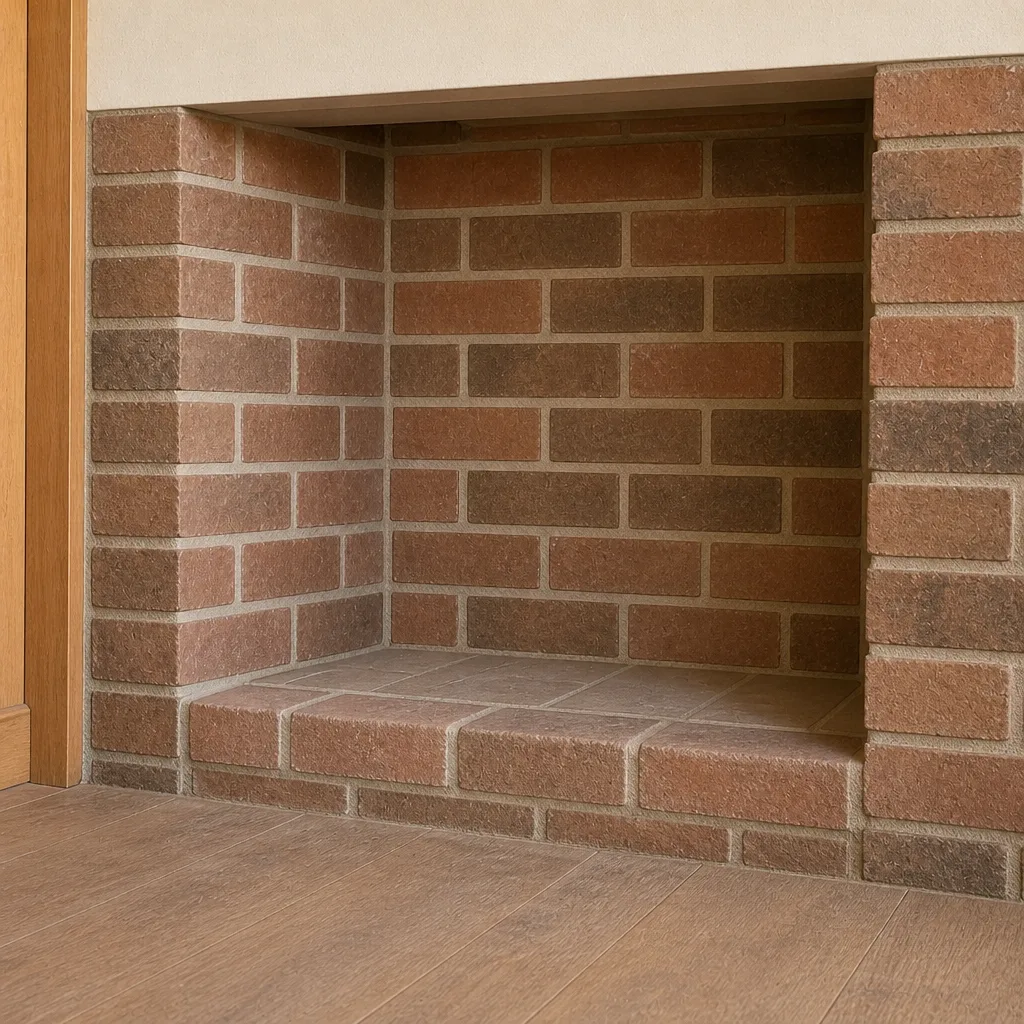
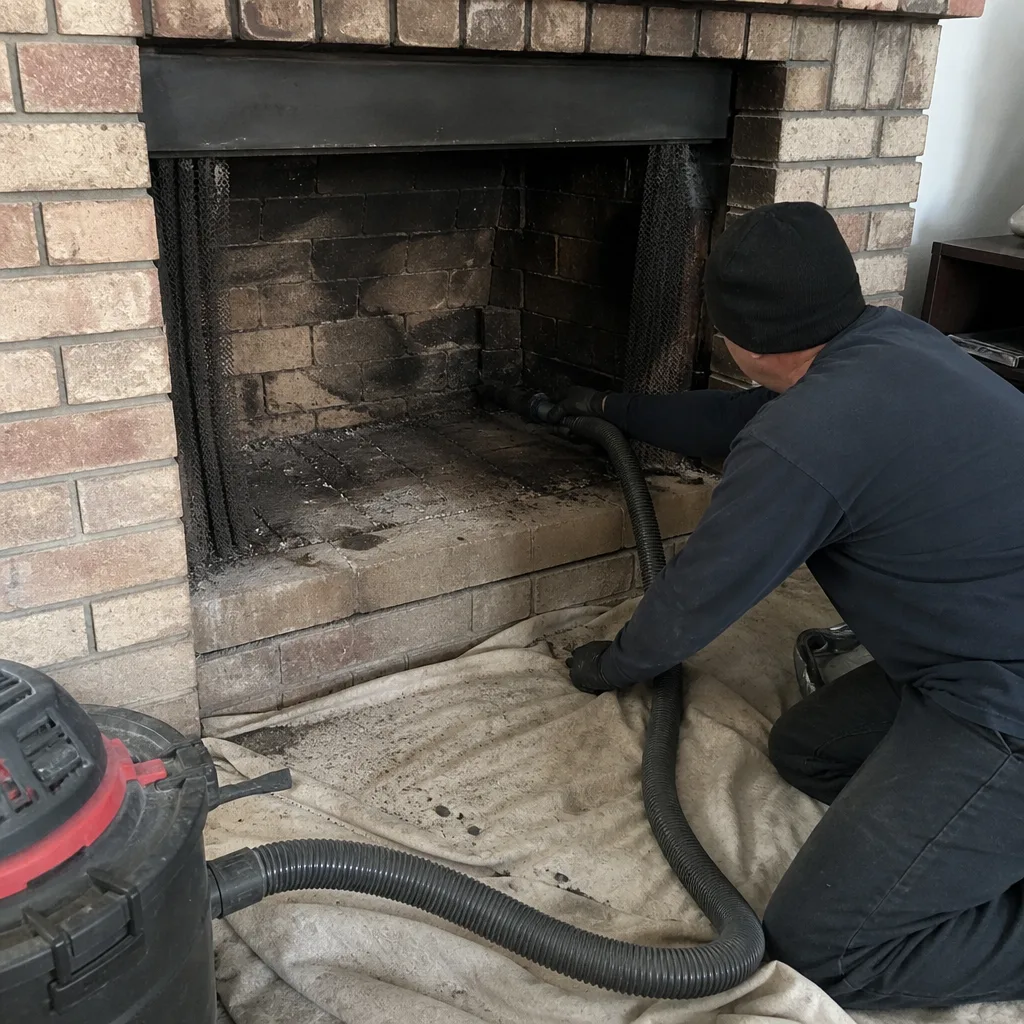
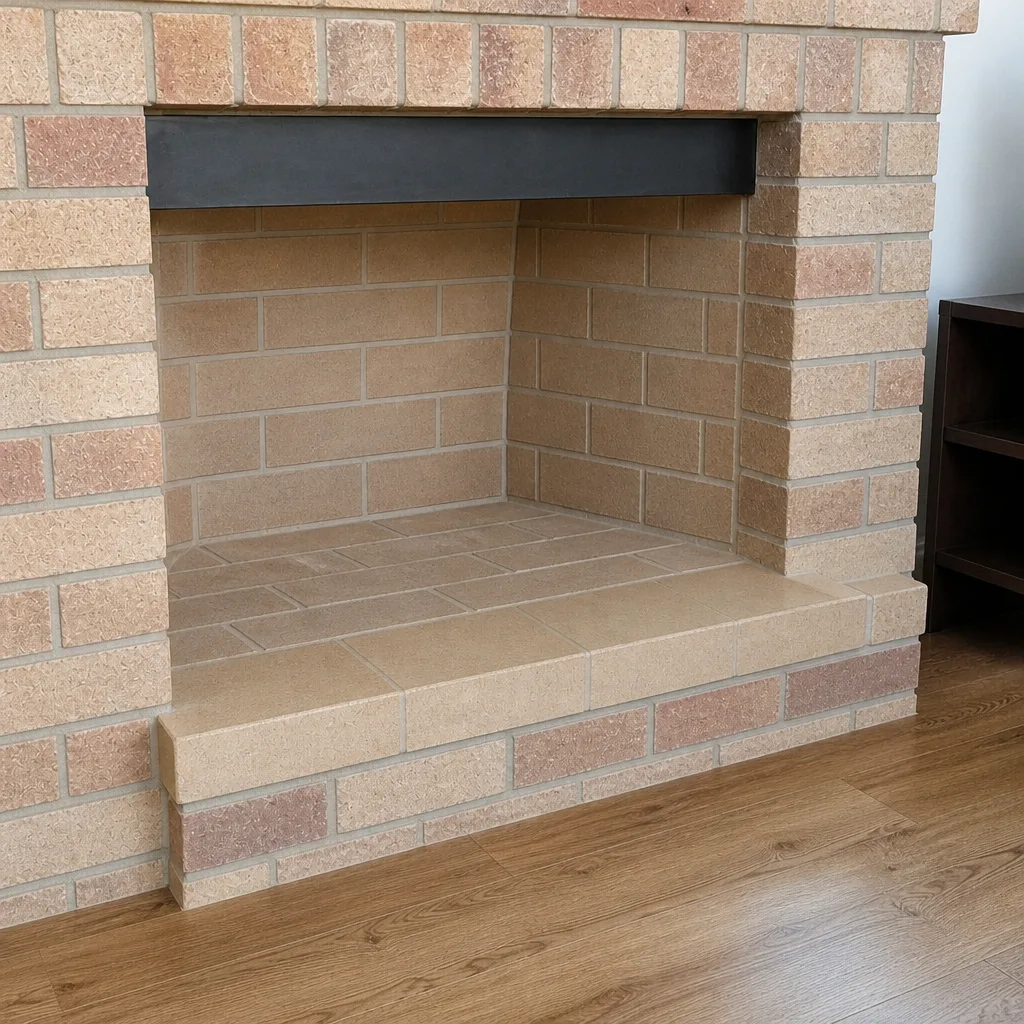
See the difference
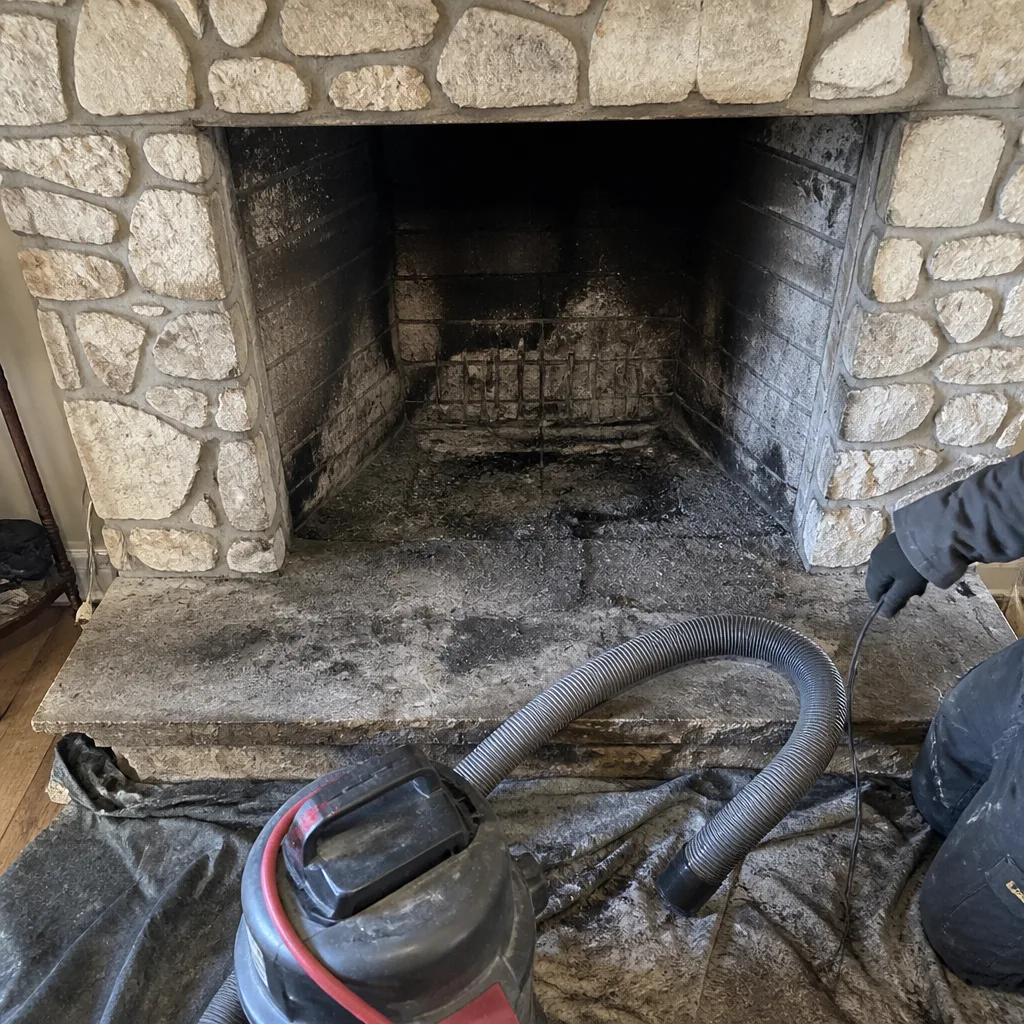 Before
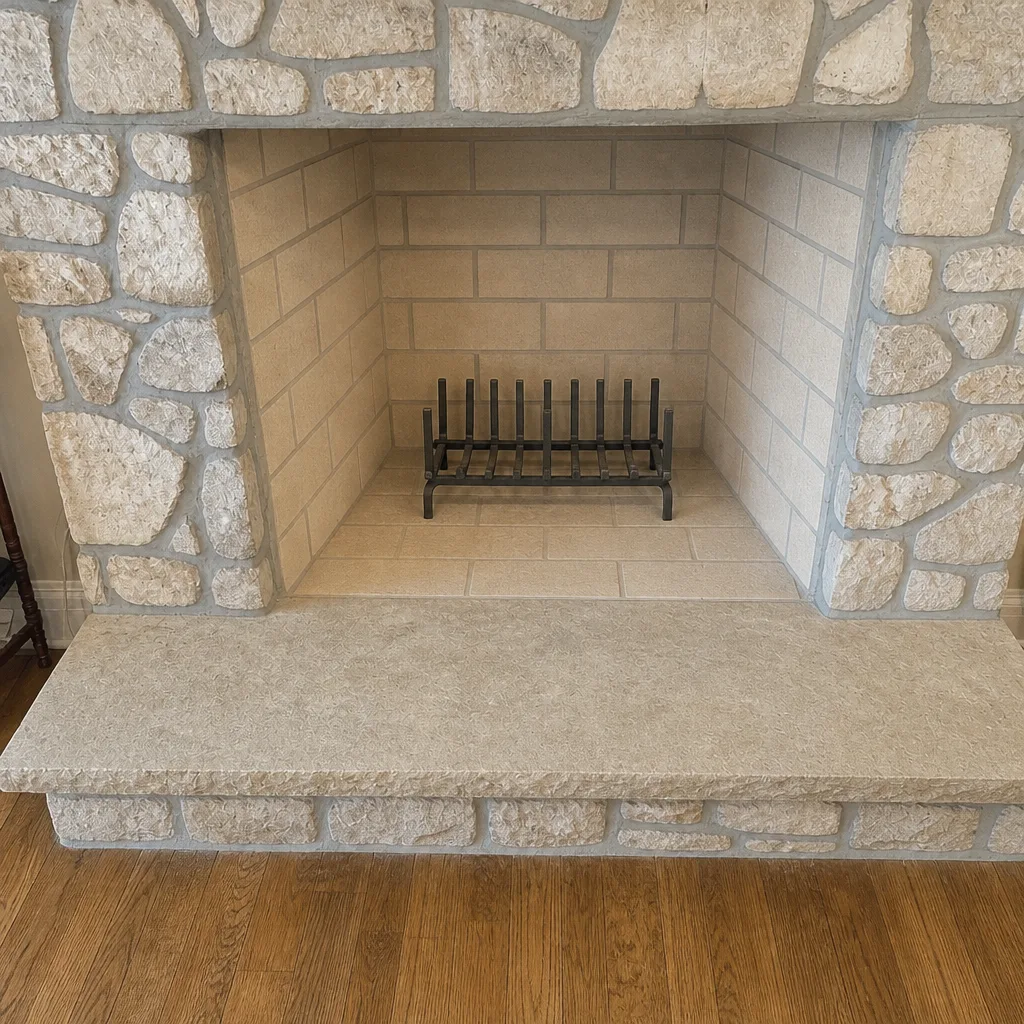 After
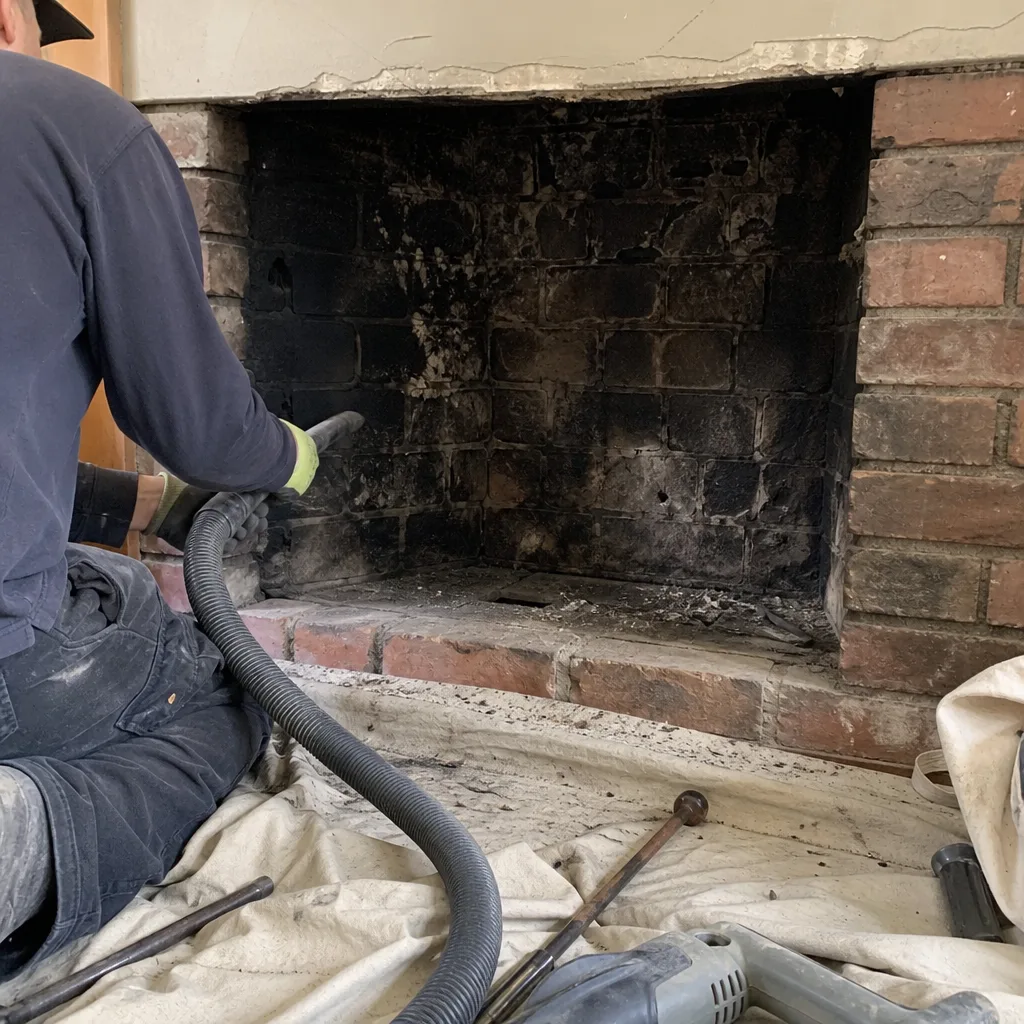 Before
 After
 Before
 After
When to Call a Professional
Call for a scheduled sweep before the cold season, and call sooner if anything is out of the ordinary: smoke backing into the room, a change in how the fire draws, cracked or missing mortar on the chase, a chimney fire or flue fire, a new-to-you home with unknown history, or an inspection that hasn’t happened in several seasons. If the liner is questionable or the flue shows stage 2 or 3 creosote, cleaning alone won’t fix it, and that’s a professional call. Paragon Chimney Sweep offers free estimates in Sunrise Manor, and we can tell you over the phone whether a cleaning is all you need or whether you should be looking at repair. Call (833) 486-5098. We answer 24/7. Fast dispatch from 7am to 7pm, Sunday through Friday.
Frequently Asked Questions
The price is set per job by a written estimate, and the estimate is free. Cleaning is quoted after we’ve looked at the flue, because a lightly used Sunrise Manor fireplace can need more than a standard sweep if stage 2 creosote has built up; the estimate names the material if repair is involved. Call (833) 486-5098 for an exact quote, and we’ll tell you plainly if the work can safely wait.
Only if the inspection shows a cracked, spalling, or deteriorated liner, and you should see the camera evidence before anyone recommends it. HeatShield can resurface some liners in place without demolition, and DuraFlex can reline a flue that’s past resurfacing; both are assessed from the inspection, not assumed. If your liner is sound, a cleaning is all you need, and we’ll say so. Call (833) 486-5098 to book an inspection.
Once a year is the right baseline for most Sunrise Manor homes, even with light use. The low-use pattern here builds creosote that doesn’t burn off between fires, and the temperature swing works on the liner and mortar all year. Heavier use, unknown history, or visible masonry cracks should bring the inspection forward. Call (833) 486-5098 to get on the schedule before the cold season.
Creosote keeps accumulating in the flue with every fire, and at stage 3 it becomes a genuine fire hazard inside the chimney. The liner and mortar keep aging from the temperature swing whether the fireplace is used or not, so the risk doesn’t stay still between cleanings. Skipping a season isn’t a guaranteed problem, but it’s a risk you can’t see from the living room. Call (833) 486-5098 for a free estimate and a camera look at the flue.
Yes, and the dry climate is part of why. There’s less moisture to carry ash and debris away, so soot and dust settle and stay, and the sharp temperature swing puts more stress on the mortar joints than a steady climate would. The dry air also doesn’t keep the flue conditioned the way a humid climate does. For the surrounding areas, our Paragon Chimney Sweep team handles the same work, and a camera inspection is the way to confirm what’s inside any flue.
It can, and it’s worth doing if the vent hasn’t been checked in a few seasons, since a clogged dryer vent is one of the leading causes of residential house fires and it’s a separate path from the chimney. Combining the two visits saves time and gives you a single walk-around of the exhaust paths. Call (833) 486-5098 and we’ll set both up; the estimate for each is free.
The Bottom Line
Chimney cleaning in Sunrise Manor is a different job than the generic advice describes. A fireplace used a few nights a year is the profile most likely to build stage 2 creosote, so once-a-year cleaning is the baseline, not an upsell. The temperature swing works on the liner and mortar all year, which is why cleaning and inspection belong together. Stucco hides what’s behind it, so the camera does the work the eye can’t. The one thing you should never accept is a liner repair recommendation without a photo report you can see. And if the flue shows real wear, HeatShield and DuraFlex are the professional-grade options that avoid a rebuild. Call (833) 486-5098 for a free estimate. We answer 24/7. Fast dispatch from 7am to 7pm, Sunday through Friday.
Written by the team at Paragon Chimney Sweep.