
Last updated November 15, 2026
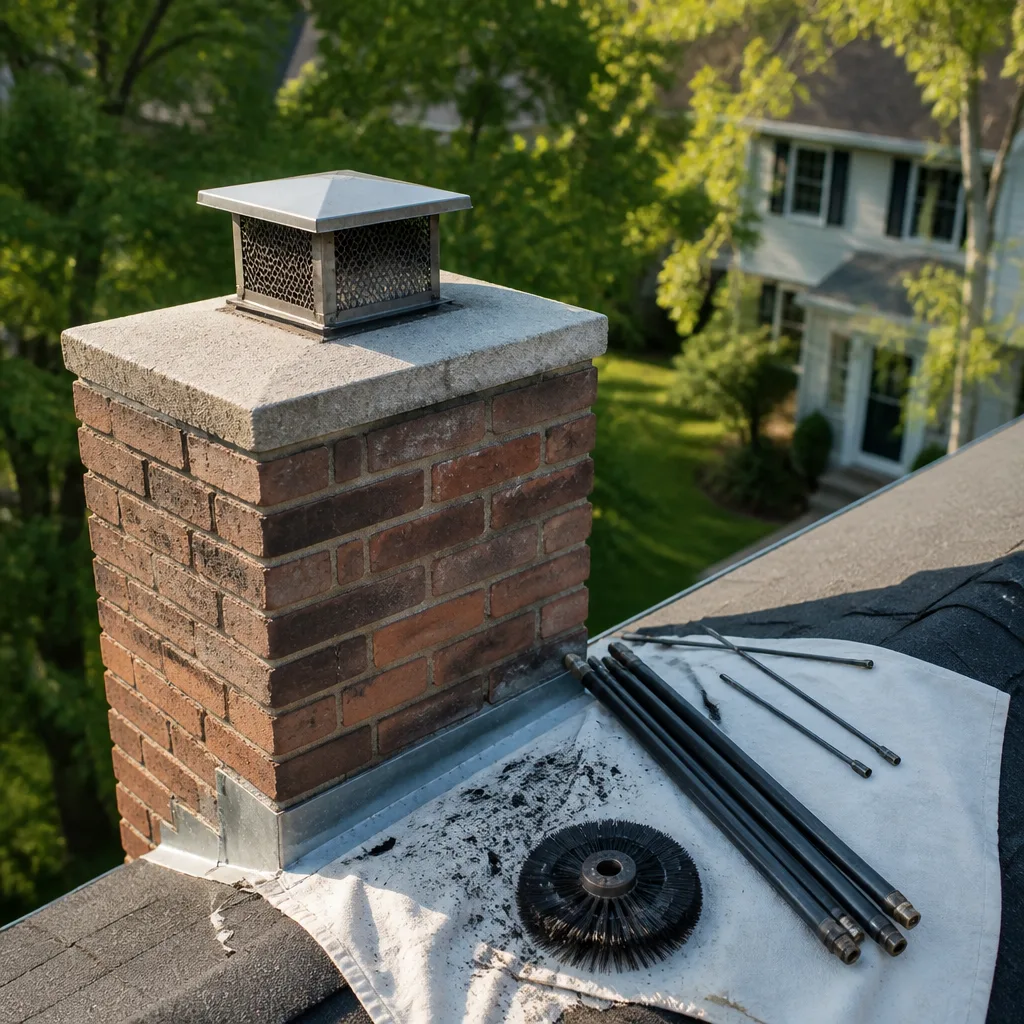 Sweep & inspection
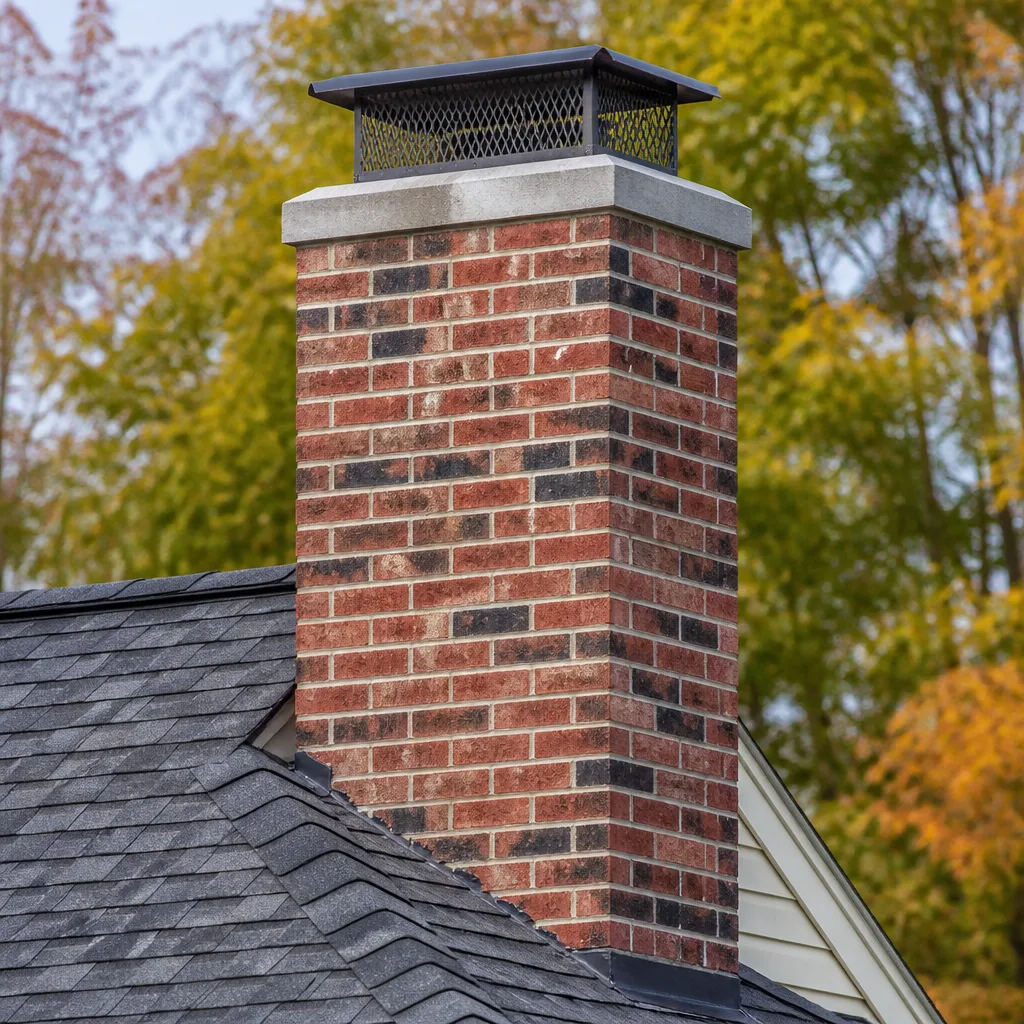 Caps & crowns
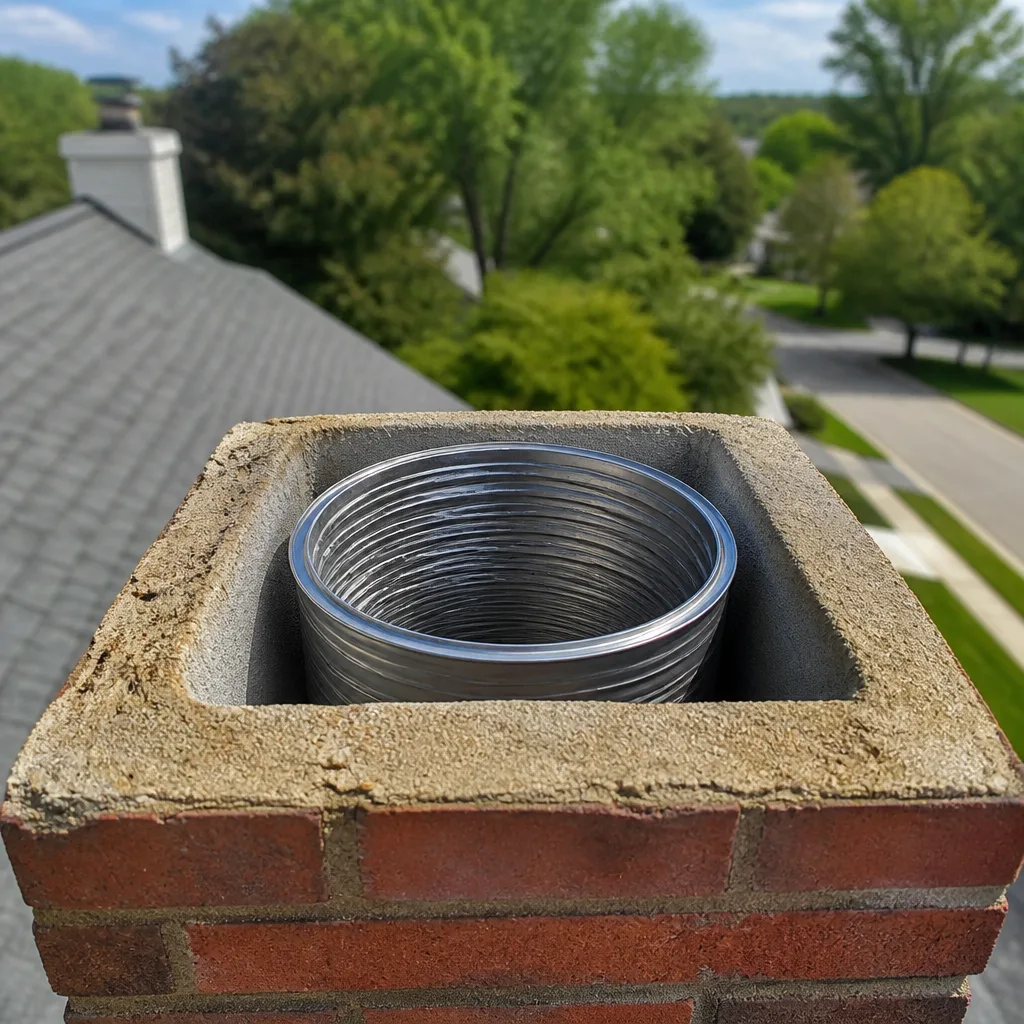 Flue relining
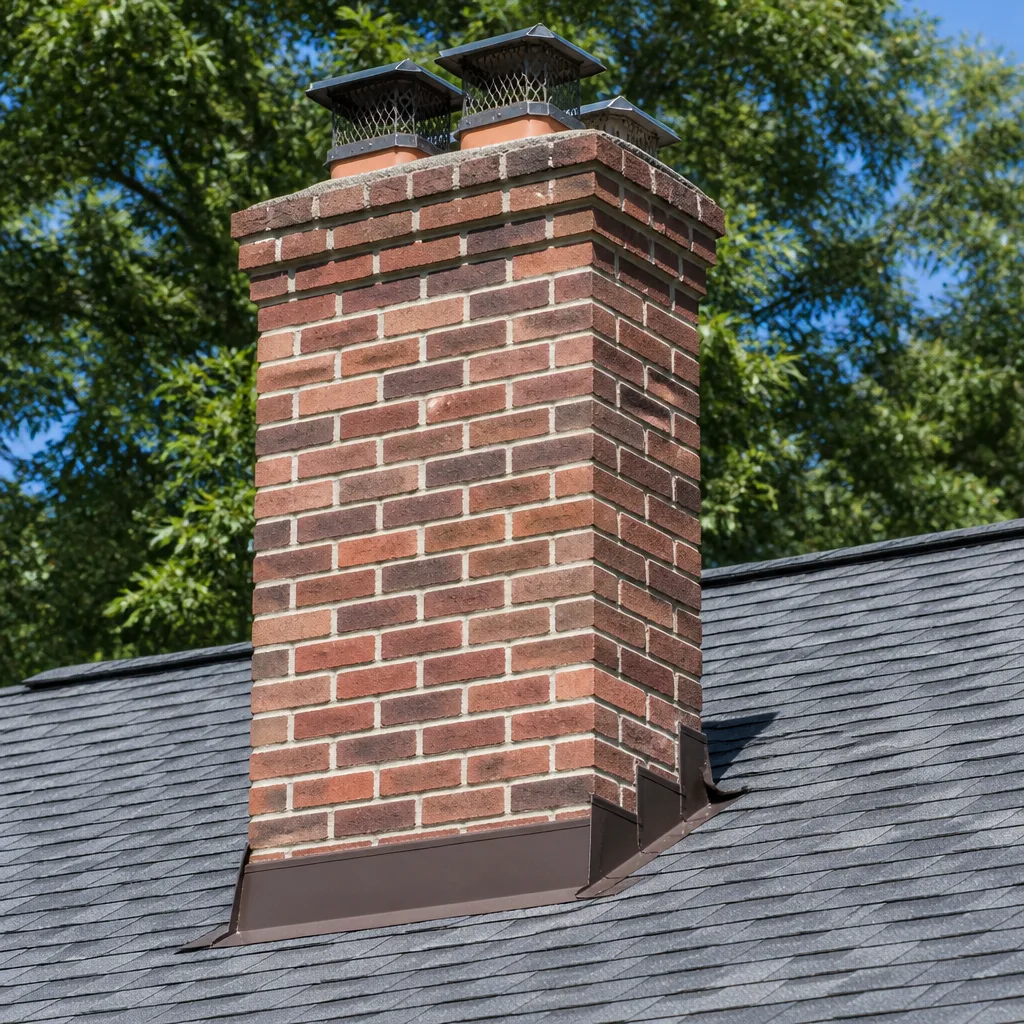 Masonry repair
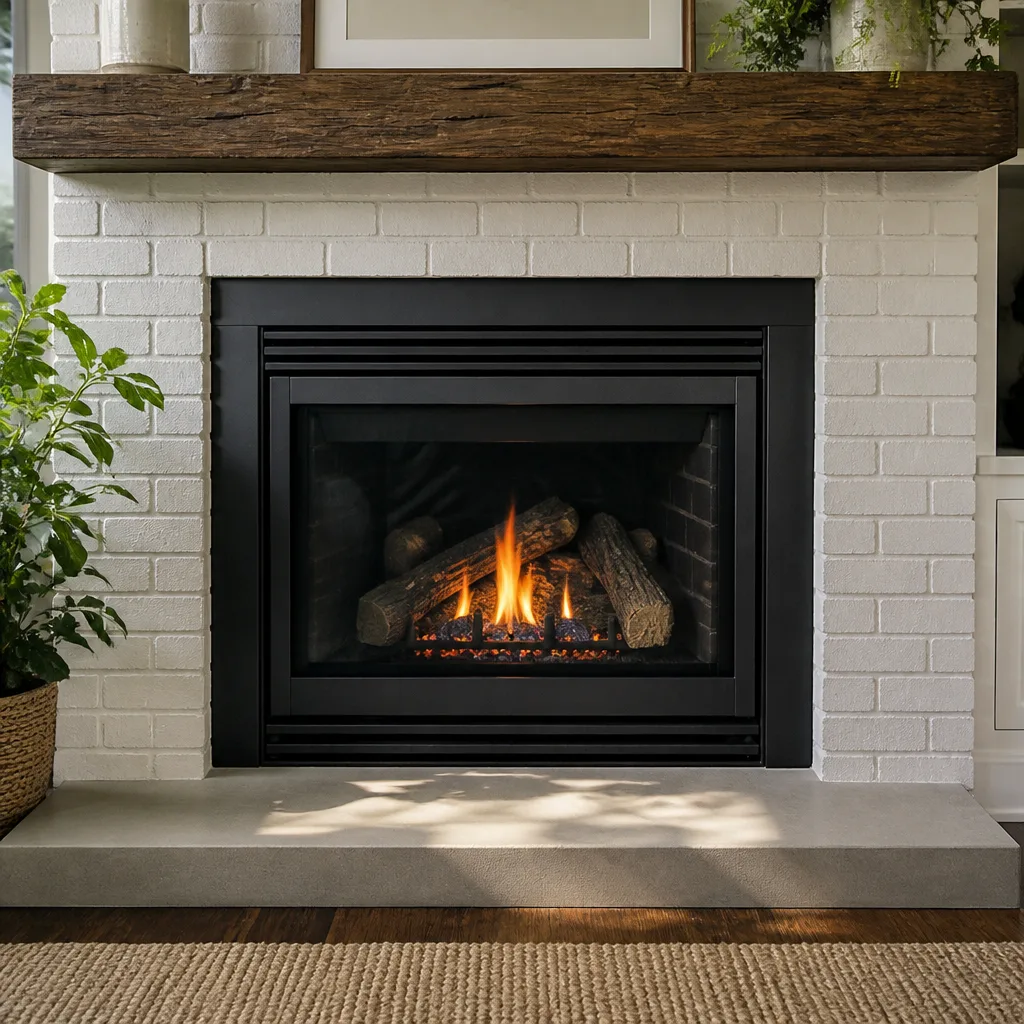 Gas fireplace service
Level 1 sweep and inspection to the NFPA 211 annual standard - flue, crown, cap, and flashing checked and photographed
Chimney sweep logs do not sweep chimneys. They loosen some creosote - which then falls where a brush and vacuum still have to collect it.
Chimney Sweep Maintenance Checklist for Sunrise Manor Homeowners
Most chimney care advice you’ll find online was written for cold-climate houses that burn wood from October to April and sit under snow half the year. A Sunrise Manor home lives a different life. It bakes through summer, pulls wind-driven dust into every gap, and often sits unused for months before the first cool evening. That changes what a useful maintenance checklist looks like. Creosote still matters, but so do dried-out mortar, sun-cracked crowns, birds that nest in open flues, and the slow damage that happens to a chimney nobody has inspected since spring. This guide builds a checklist calibrated to Sunrise Manor conditions, task by task, from pre-season prep to post-season shutdown to the documentation you’ll want if something ever needs to be claimed.
Quick Answer
A working chimney maintenance checklist for a Sunrise Manor home includes a pre-season inspection before the first burn, an exterior check of the cap, crown, and flashing, a sweep once creosote reaches about 1/8 inch, a post-season close-out when you stop burning, and a written record of every visit. Plan on a professional inspection and sweep once a year, and handle the visual checks yourself between visits.
Styles & brands we work with
- Sweep & inspection
- Caps & crowns
- Flue relining
- Masonry repair
- Gas fireplace service
Table of Contents
- Pre-Season Checklist: What to Do Before the First Fire
- Exterior Checklist: Caps, Crowns, and Flashing on Nevada Construction
- Understanding Creosote in a Desert Climate
- Dust, Birds, and Summer Idle Time
- Post-Burn-Season Checklist: Closing Out the Year
- What You Can Safely Check Yourself Between Visits
- Documentation That Matters for Insurance Claims
- When the Checklist Needs a Professional
Pre-Season Checklist: What to Do Before the First Fire
The weeks before your first burn of the season are the most valuable window for maintenance. In Sunrise Manor, that usually means the stretch when daytime highs finally drop and you’re thinking about the fireplace again. Everything on this list should happen before a fire is lit, not after a problem shows up as smoke in the room.
- Schedule a professional inspection and sweep. Book it before the season gets busy. A technician confirms the flue is clear, checks the liner for cracks or spalling, and documents what they find. Our technicians have up to 14 years of experience with exactly this kind of work.
- Open the firebox and look up. With no fire burning, check for visible debris, animal nests, or a leaves-and-dust damper blockage. If you see anything you can’t safely reach, stop and call.
- Test the damper. It should open and close fully without sticking. A damper that won’t seal lets conditioned air out and heat in all summer.
- Check the smoke and carbon monoxide detectors. Replace batteries and confirm both units work. This is not a chimney task on paper, but it’s the reason chimney maintenance matters.
- Confirm your wood supply is dry. Seasoned wood burns hotter and cleaner. Green or damp wood produces more creosote, which is the whole reason we care about sweeping in the first place.
- Clear the hearth area. Remove anything combustible within a few feet of the firebox opening before the first fire, not after.
If a pre-season inspection turns up a problem, fixing it before the season is almost always easier than fixing it mid-winter. Repair work is done by the same technicians who sweep, so there’s no handoff to a separate contractor between diagnosis and fix.
Exterior Checklist: Caps, Crowns, and Flashing on Nevada Construction
Sunrise Manor homes often have masonry chimneys with stucco exterior finishes, which behave differently in desert heat than brick or siding does in other regions. A stucco chimney takes intense thermal cycling and ultraviolet exposure, and both wear on the same three components: the cap, the crown, and the flashing where the chimney meets the roof or wall.
- Chimney cap. The cap keeps rain, debris, and animals out of the flue. Check that it’s intact, firmly attached, and free of rust or cracks. A missing or damaged cap is the single most common way birds and dust get inside.
- Crown. The crown is the concrete or masonry top surface that sheds water away from the chimney. Look for cracks, crumbling, or separation from the flue. A failing crown lets water in, and in a hot climate that water does its damage fast between wet and dry cycles.
- Stucco flashing. Where the chimney meets the roof or wall, flashing and sealant keep water from running behind the stucco. Check for gaps, lifting, or a hardened, cracked sealant line. Stucco itself should be sound with no hairline cracks spreading near the chimney base.
- Chimney stack condition. Look for loose mortar joints, spalling brick behind the stucco, and any tilt or separation that suggests structural movement.
- Spark arrestor. If your cap includes a spark arrestor screen, confirm it’s not clogged with soot or debris.
Anything you can’t see safely from the ground should be left to a professional. Roof-level inspection involves real height and real risk, so don’t climb up to check a crown unless you’re set up for it. When we inspect a chimney in the Sunrise Manor area, we look at the whole exterior assembly, not just the inside of the flue, because the components that fail first often aren’t the ones you’d guess.
Understanding Creosote in a Desert Climate
Creosote is the residue that builds inside a chimney when wood burns incompletely, and it’s the main reason chimneys need sweeping at all. In a hot, dry climate the creosote story is different from what cold-climate guides describe. Low humidity and rapid temperature swings can dry and crack creosote deposits, and cracked, flaky creosote is easier to ignite than a smooth, glossy glaze. The risk is real and it’s why the National Fire Protection Association’s standard for chimney inspection and sweeping exists, recommending an annual inspection and a sweep when creosote reaches about 1/8 inch.
Three factors drive how fast creosote builds in a Sunrise Manor chimney:
- What you burn. Well-seasoned hardwood produces less creosote than green, wet, or soft wood.
- How you burn. Hot, well-ventilated fires burn cleaner than smoldering, low-air fires. A slow smoky fire deposits more of everything.
- How often you burn. A fireplace used several times a week builds creosote far faster than one used a handful of times a season.
If your flue has a glazed, shiny, tar-like layer, that’s stage-three creosote, and it needs professional attention, not a homeowner’s brush. We sweep, inspect the liner, and if the liner has cracked or spalled, we discuss options. Professional-grade materials like HeatShield can resurface a deteriorated flue liner without a full demolition and rebuild, and DuraFlex flexible liners can bring an older chimney up to code-compliant performance. Both are real alternatives to rebuilding, and worth asking about if your inspection turns up liner damage. Our chimney sweep service includes a camera inspection and a photo report, so you can see exactly what the technician sees.
Dust, Birds, and Summer Idle Time
A Sunrise Manor chimney often sits idle through months of extreme summer heat. That idle time is when the chimney gets less attention than it needs. Wind-blown desert dust settles on the damper, in the smoke shelf, and along the flue walls, and it accumulates in ways a wet climate never sees. When you finally light that first fire, the dust burns off in a plume of odor, and sometimes more.
Summer is also nesting season for birds and other small animals. A chimney cap that’s missing, damaged, or clogged leaves an open flue that looks like a protected cavity. A nest built in the flue is a serious fire hazard and an obstruction that can push smoke back into the house. If you’ve had no cap for a while, or you heard scratching or chirping from the chimney over the summer, get it inspected before you burn.
Here’s what to check after a long idle period:
- Look up the flue from the firebox. With the damper open and no fire, use a flashlight. You’re checking for daylight (good) or a nest, debris, or blockage (call a professional).
- Check the cap and spark arrestor from the ground. Is it still there? Is it clear?
- Watch for odor when you first burn. A strong dusty smell is often a sign that the flue hasn’t been swept since last season.
- Check the damper seal. A damper that’s been open all summer let dust and heat into the living space.
None of this requires a professional visit if you’re just doing a visual check. Avoid sticking tools or vacuum hoses far up the flue to “clear” a nest yourself. If it’s stuck, dislodging it can release a nest and its contents into the living space, and a partially cleared nest is still a hazard.
Post-Burn-Season Checklist: Closing Out the Year
When the burn season ends and you stop using the fireplace for the year, do a proper close-out. Spring is the ideal time for a sweep, because you clear out a season’s worth of creosote before it sits through the hot months, and you catch any damage while it’s still fresh. A chimney that gets closed out properly is far less likely to surprise you in the fall.
- Schedule the post-season sweep and inspection. This clears the season’s creosote and gives you a written record of the chimney’s condition.
- Remove ash from the firebox. Wait until the ash is fully cold, then scoop it into a metal container. A layer of ash left through the summer can hold moisture against the firebox floor.
- Verify the damper is closed. A closed damper keeps conditioned air in and hot summer air out.
- Look at the exterior after the burn season. Thermal cycling through winter can open cracks in the crown or loosen flashing that looked fine in fall.
- Note anything unusual. Did you notice more smoke than last year? Did the fire draw poorly? Write it down for the fall inspection.
If your post-season inspection finds a cracked flue liner or deteriorated masonry, the spring is a good time to fix it. Repair work draws from professional-grade materials, and HeatShield and flexibility liners like DuraFlex are designed to restore a flue’s performance rather than replace the whole chimney. The rule of thumb: restore what’s repairable, replace only what can’t be restored.
What You Can Safely Check Yourself Between Visits
An annual professional visit is the backbone of chimney maintenance, but a lot happens between visits. There are safe checks a homeowner can do, and there are things that should always wait for a technician. The line is simple: anything you can see from the ground or from inside the firebox is fair game, and anything requiring a ladder, a roof, or a brush up the flue is not.
Safe between-visit checks:
- Look at the cap and chimney top from the ground. Confirm the cap is present and not obviously damaged.
- Shine a flashlight up the flue from the open firebox and look for blockage, heavy soot, or a nest.
- Open and close the damper and confirm it moves freely.
- Check the smoke and carbon monoxide detectors.
- Watch how the fire draws. Smoke rolling into the room is a sign the flue needs attention.
- Listen for animal sounds from the chimney after a long idle period.
Checks that should wait for a professional:
- Climbing onto the roof to inspect the crown, flashing, or stack.
- Running a brush or vacuum up the flue yourself.
- Removing a stuck nest or obstruction.
- Attempting to repair a cracked liner or loose mortar.
- Any work near a gas flue or appliance connection, which involves combustion safety issues a trained technician is equipped to handle.
One more safety note worth being direct about: if you ever smell gas near a fireplace or appliance, or the carbon monoxide detector sounds, get everyone out and call for help. Gas lines and combustion appliances are not a DIY area. Chimney sweeps handle the venting and exhaust side; your gas utility handles the supply side.
Documentation That Matters for Insurance Claims
If you ever file a homeowner’s insurance claim related to your chimney, the documentation is often the difference between a smooth claim and a frustrating one. Fire departments and insurers want a clear history of care, and a homeowner who can produce inspection records, sweep reports, and dated photos is in a much stronger position than one who can’t.
Keep these records on hand:
- Inspection reports. Every professional inspection, dated, with the technician’s findings.
- Photo documentation. Before-and-after photos of the flue, cap, and crown at each visit. A camera inspection and photo report give you exactly this.
- Sweep records. When the chimney was swept, who did it, and what was cleared.
- Repair records. Any liner work, crown repair, or flashing repair, with the materials used. If a DuraFlex liner or a HeatShield restoration was part of the job, keep the paperwork that names the product.
- Detector maintenance log. When you replaced smoke and carbon monoxide detector batteries.
The reason records matter goes beyond paperwork. A well-documented chimney shows a pattern of responsible maintenance, and that pattern is exactly what an adjuster wants to see. If a fire or carbon monoxide incident does happen, the record helps establish that the homeowner did what the trade standards ask. Insurance companies vary in what they require, so check your policy for any specific documentation demands.
When the Checklist Needs a Professional
Most of the checklist above is homeowner work. But some things belong to a trained technician, and knowing the difference is worth a phone call. Call a professional when:
- You see glazed, tar-like creosote in the flue.
- The fire draws poorly or smoke enters the room.
- You suspect a nest, obstruction, or animal damage.
- The exterior cap, crown, or flashing is visibly damaged.
- Your chimney hasn’t been inspected in over a year.
- You’re selling or buying a home and need a documented inspection.
If any of these apply, or you simply want a baseline inspection for the season, Paragon Chimney Sweep offers free estimates in Sunrise Manor. Call (833) 486-5098. We answer 24/7, and we can walk you through what a sweep and inspection involve before you book. If you’d like to see the full scope of what we do, start with Paragon Chimney Sweep.
Common Mistakes to Avoid
- Skipping the spring sweep. A lot of Sunrise Manor homeowners sweep once in fall and figure that’s enough. Sweeping after the burn season clears a year of creosote and catches damage before the summer heat and dust have their turn.
- Assuming a cap is optional. A missing or damaged cap is the front door for birds, dust, and rain. Replacing a cap is a small job compared to clearing a nest or repairing water damage.
- Burning green or wet wood. It burns cooler and smokes more, which means more creosote. Seasoned wood is the cheapest way to reduce build-up.
- Treating a stucco chimney like a brick one. Stucco finishes need their own inspection attention, and hairline cracks near the chimney base are easy to dismiss and easy to miss.
- Relying on the smell test instead of an inspection. A chimney can have a serious creosote layer and still smell “normal.” Smell isn’t a diagnostic.
- Ignoring dryer vent cleaning. A dryer vent is part of the same exhaust-safety picture as a chimney, and it gets neglected for the same reason: it’s out of sight. Our dryer vent cleaning handles it in the same visit as a chimney sweep.
- Missing records. A chimney with a history of clean inspections is easier to insure and easier to claim against. Keep the paperwork.
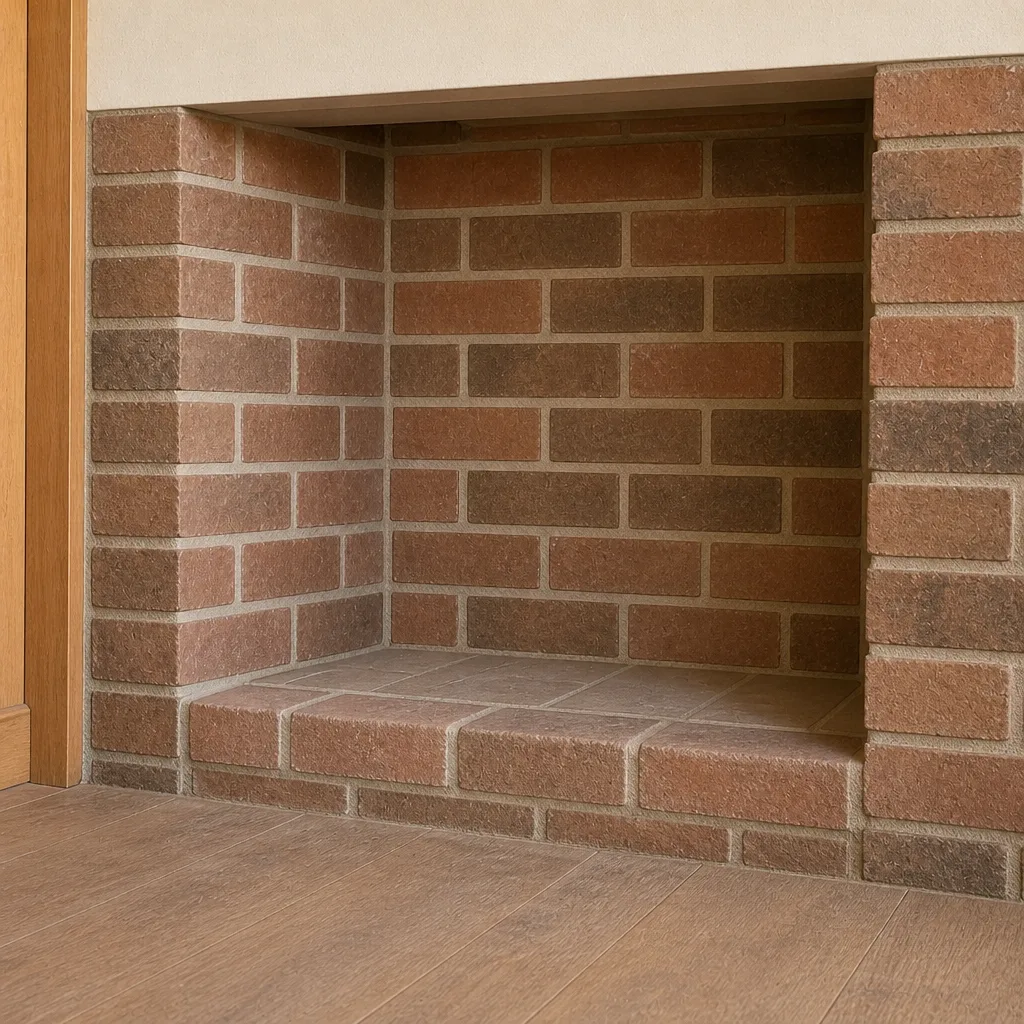
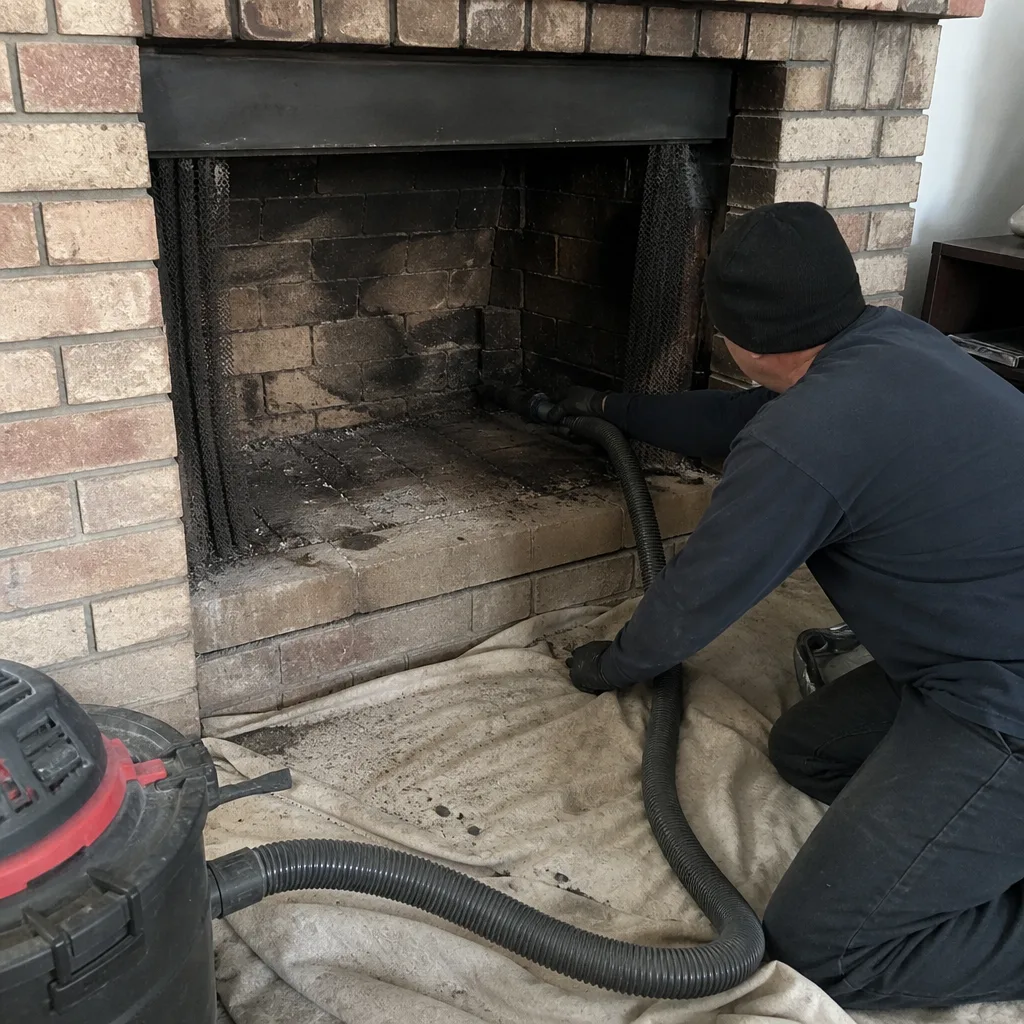
See the difference
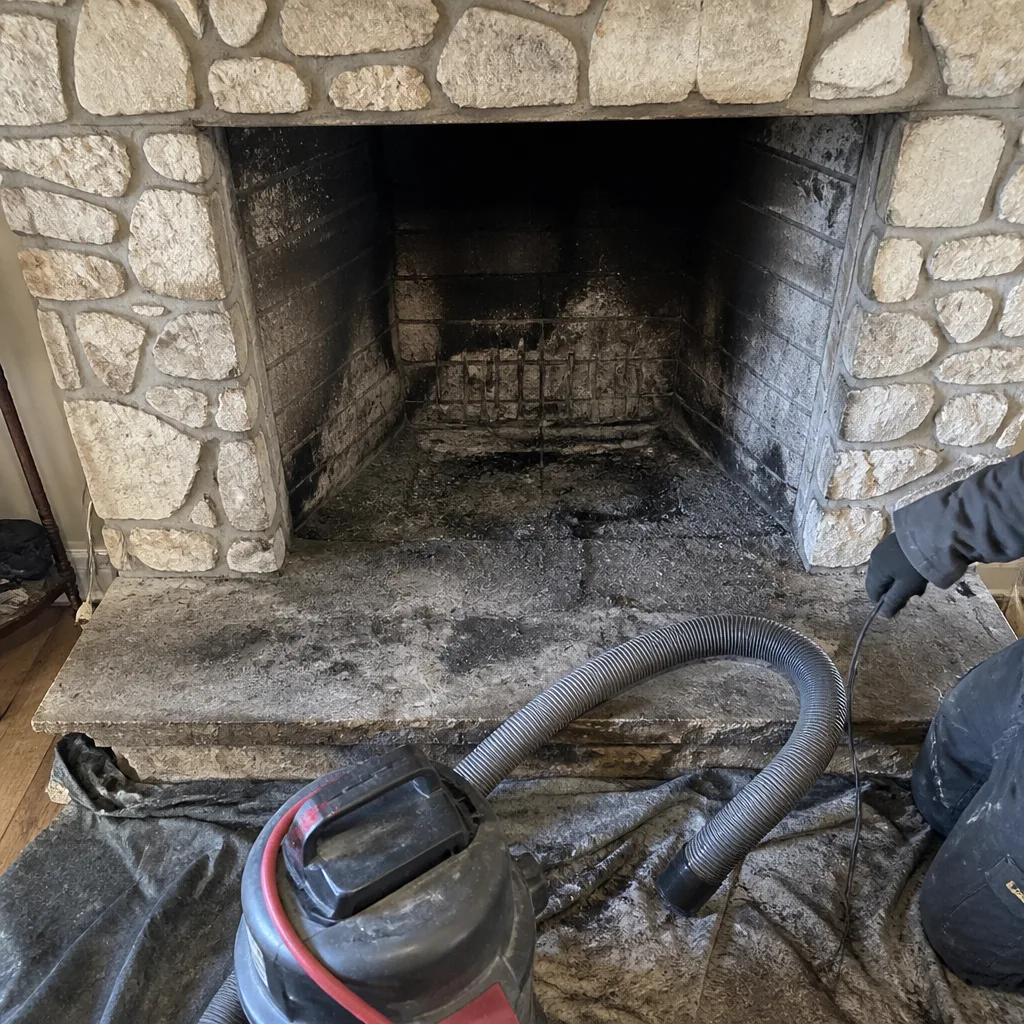 Before
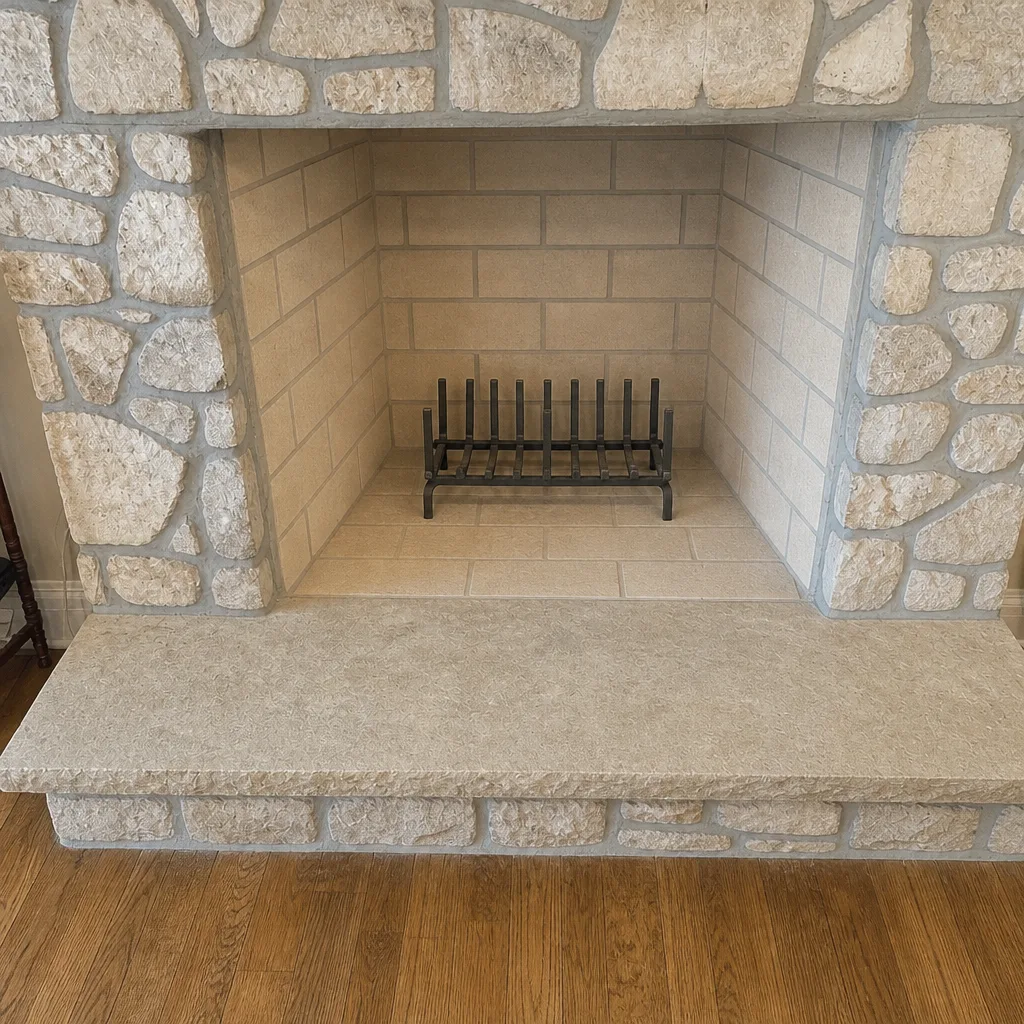 After
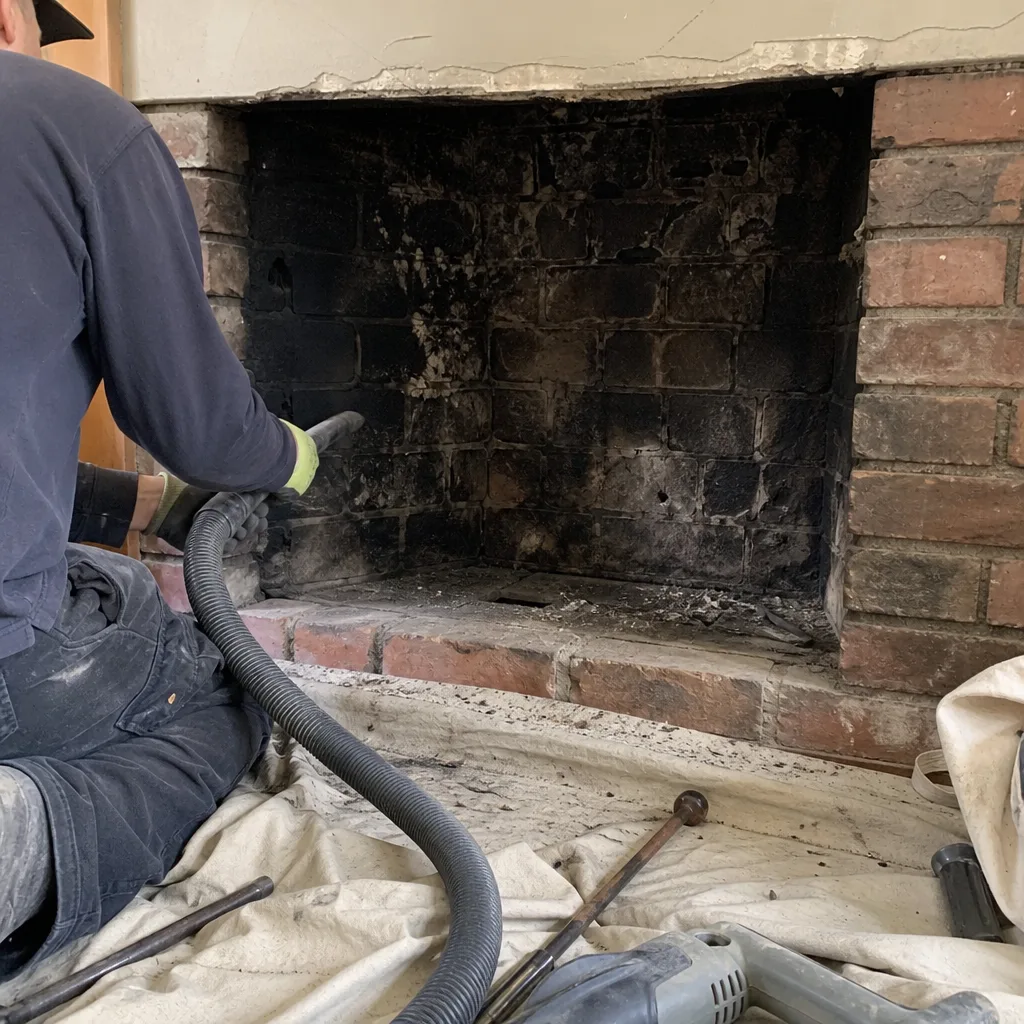 Before
 After
 Before
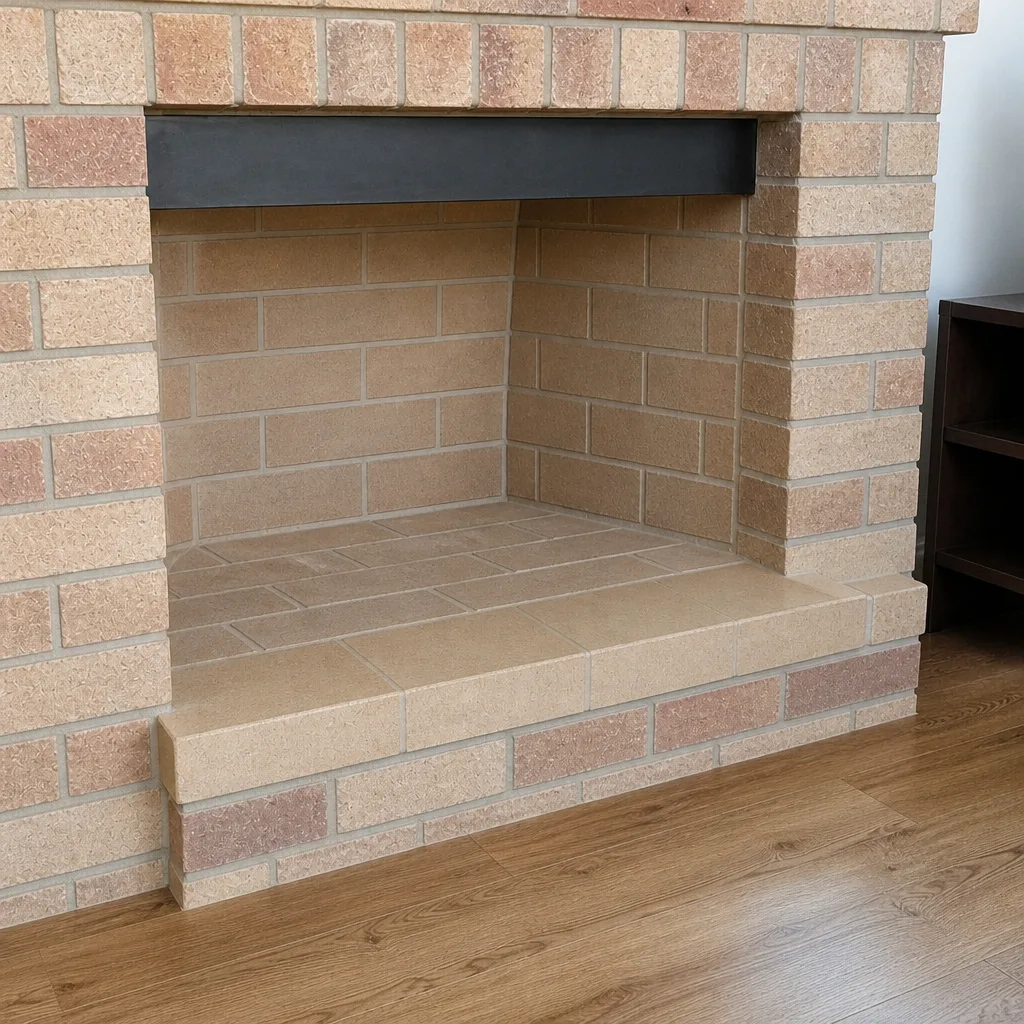 After
When to Call a Professional
If your flue has visible glazed creosote, a damaged cap or crown, or a fire that doesn’t draw, don’t wait for the fall. Schedule a professional inspection. The same applies after a long idle period in Sunrise Manor, where dust and nesting can create a hazard over summer. A trained technician can confirm whether the chimney is safe to use, and if repair is needed, whether a restoration like HeatShield or a DuraFlex liner can solve it without a full rebuild. Paragon Chimney Sweep offers free estimates in Sunrise Manor. Call (833) 486-5098. We answer 24/7, and the written estimate sets the final price.
Frequently Asked Questions
Once a year for both inspection and sweep, per the standard recommended by the National Fire Prevention Association. Homeowners who burn often should sweep when creosote reaches about 1/8 inch. In Sunrise Manor, the best times are just before the first burn of fall and just after the last burn in spring. Call (833) 486-5098 for an exact quote – estimates are free.
Yes, in a meaningful way. Low humidity and wide temperature swings crack and dry the creosote deposits, and cracked creosote ignites more easily than a smooth glaze. That means a Sunrise Manor chimney with moderate build-up can be a higher fire risk than the same build-up in a wetter climate. A yearly inspection catches it before it becomes a problem.
Yes. A cap keeps rain, debris, dust, and animals out of the flue. Homes that sit through a hot, dusty summer without one are far more likely to find a blockage or nest by fall. A cap is one of the small, high-value items on the checklist. Ask about it during your free estimate.
You can clear surface debris and do visual checks, but creosote removal in the flue is professional work. A homeowner brush job can leave glazed creosote behind and can’t inspect the liner. Sweeping also lets the technician check the flue for cracks. Call (833) 486-5098 to book a professional sweep and inspection.
Creosote builds up, and stage-three glazed creosote can ignite. Water from a failing crown or flashing damages the masonry, and dust and nests block the flue. Carbon monoxide risk rises with a damaged liner. None of this is theoretical, and none of it is expensive to prevent with an annual inspection. Call (833) 486-5098 for a free estimate.
No. At Paragon Chimney Sweep, repair is done by the same technicians who sweep, so there’s no handoff, no separate crew, and no gap in accountability. Repair draws from professional-grade brands including DuraFlex, HeatShield, Olympia Chimney, Copperfield, and Famco, the same lines used by trained chimney specialists. Call (833) 486-5098 to schedule an inspection and free estimate.
The Bottom Line
A chimney maintenance checklist is only useful if it fits the climate and the home it’s for. In Sunrise Manor, that means adding dust, nesting, exterior stucco and crown checks, and post-season close-out to the standard sweep-and-inspect routine. Plan on an annual inspection and sweep, handle the safe visual checks yourself between visits, and keep the records. Whether you’re a homeowner or a property manager working through several units, the goal is the same: a fire-safe home with a documented history of care. If your checklist needs a professional hand, Paragon Chimney Sweep offers free estimates in Sunrise Manor. Call (833) 486-5098. We answer 24/7. Fast dispatch from 7am to 7pm, Sunday through Friday.
Written by the team at Paragon Chimney Sweep.