
Last updated November 15, 2026
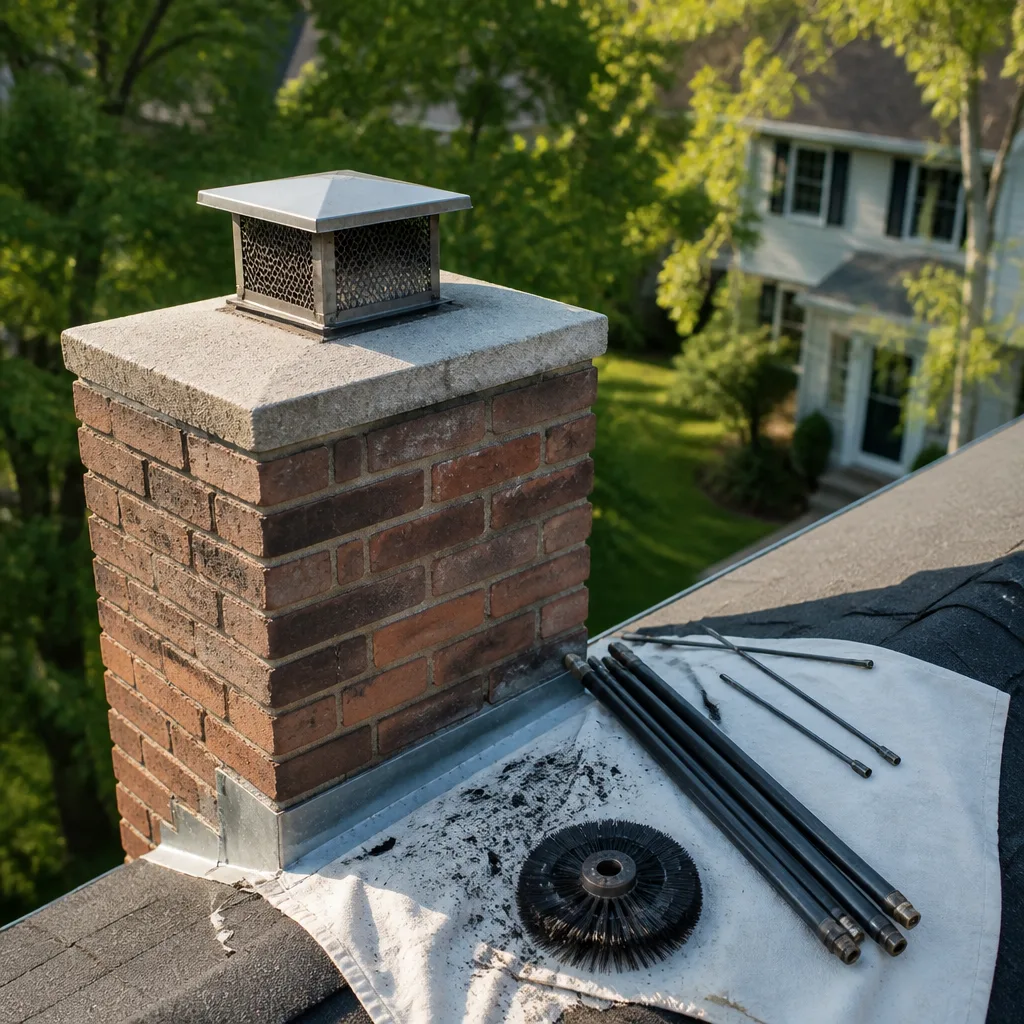 Sweep & inspection
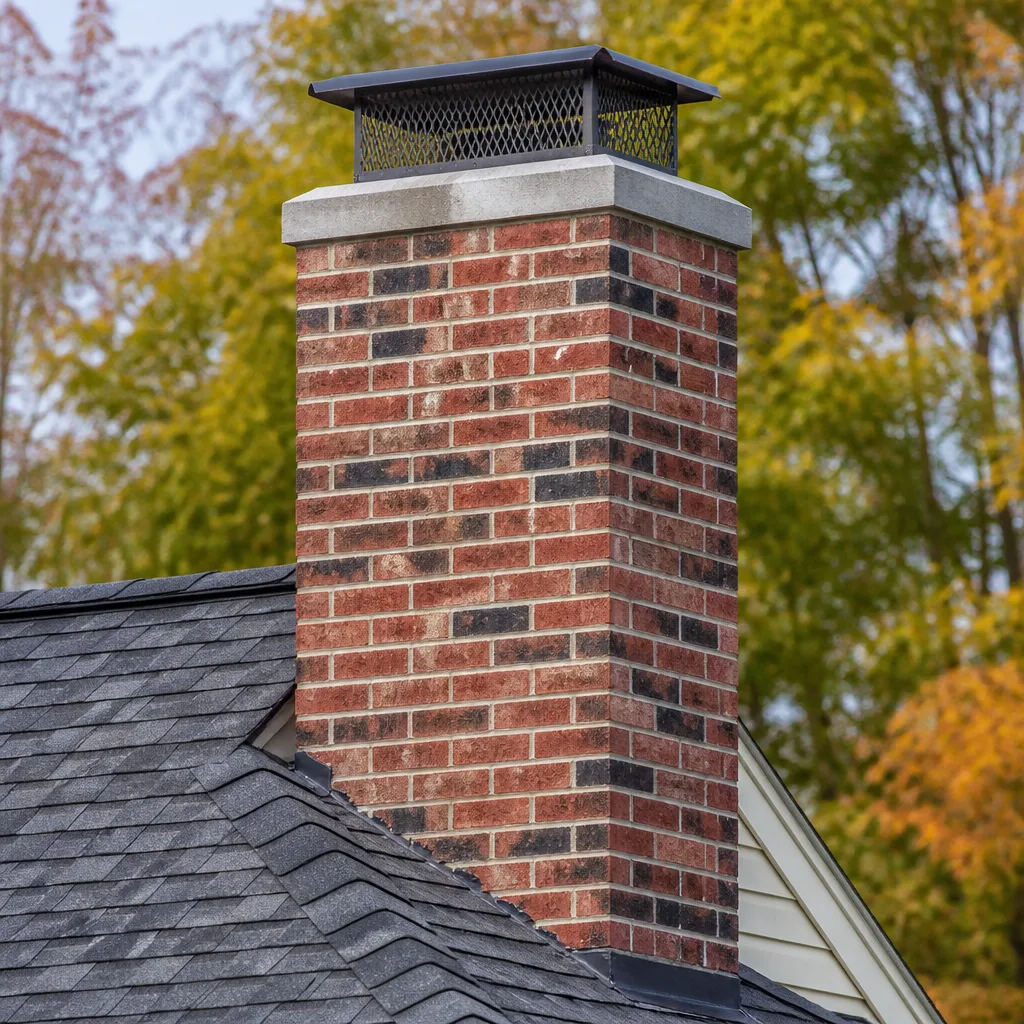 Caps & crowns
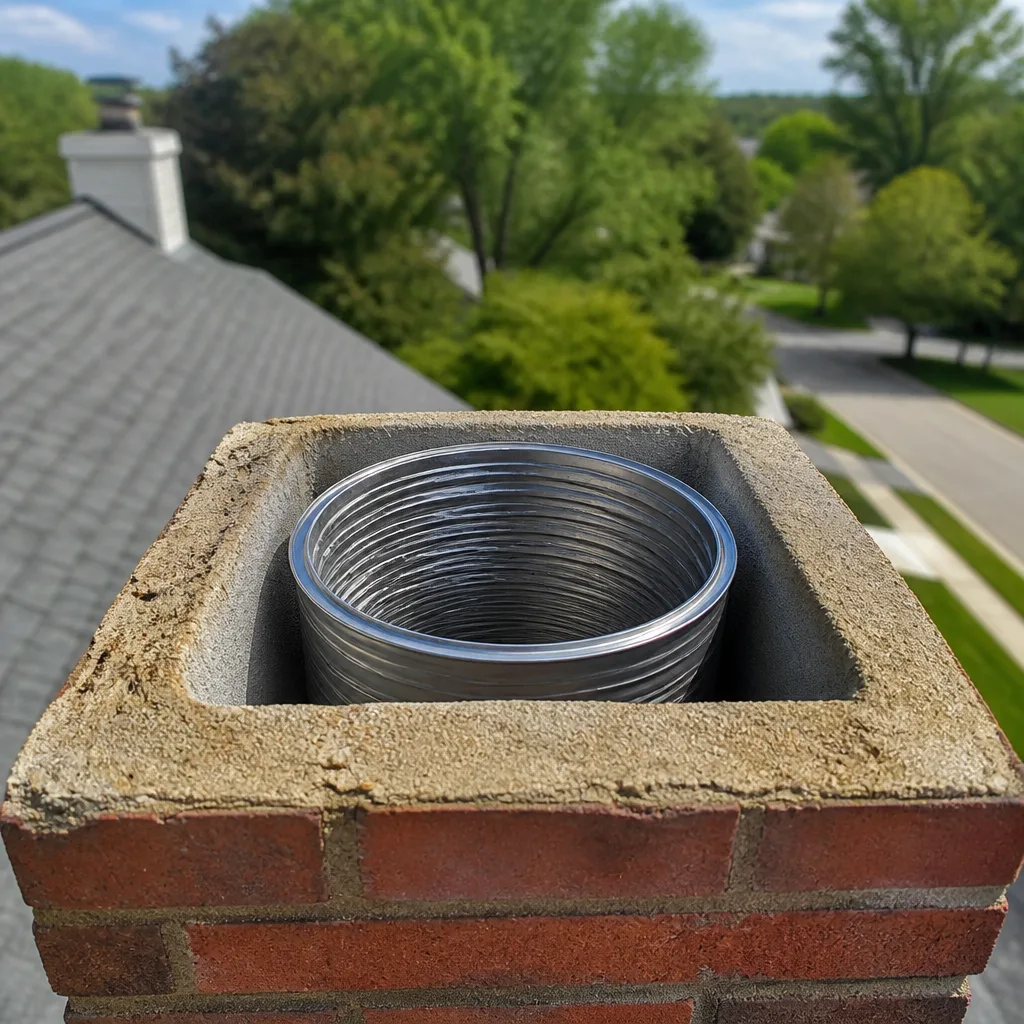 Flue relining
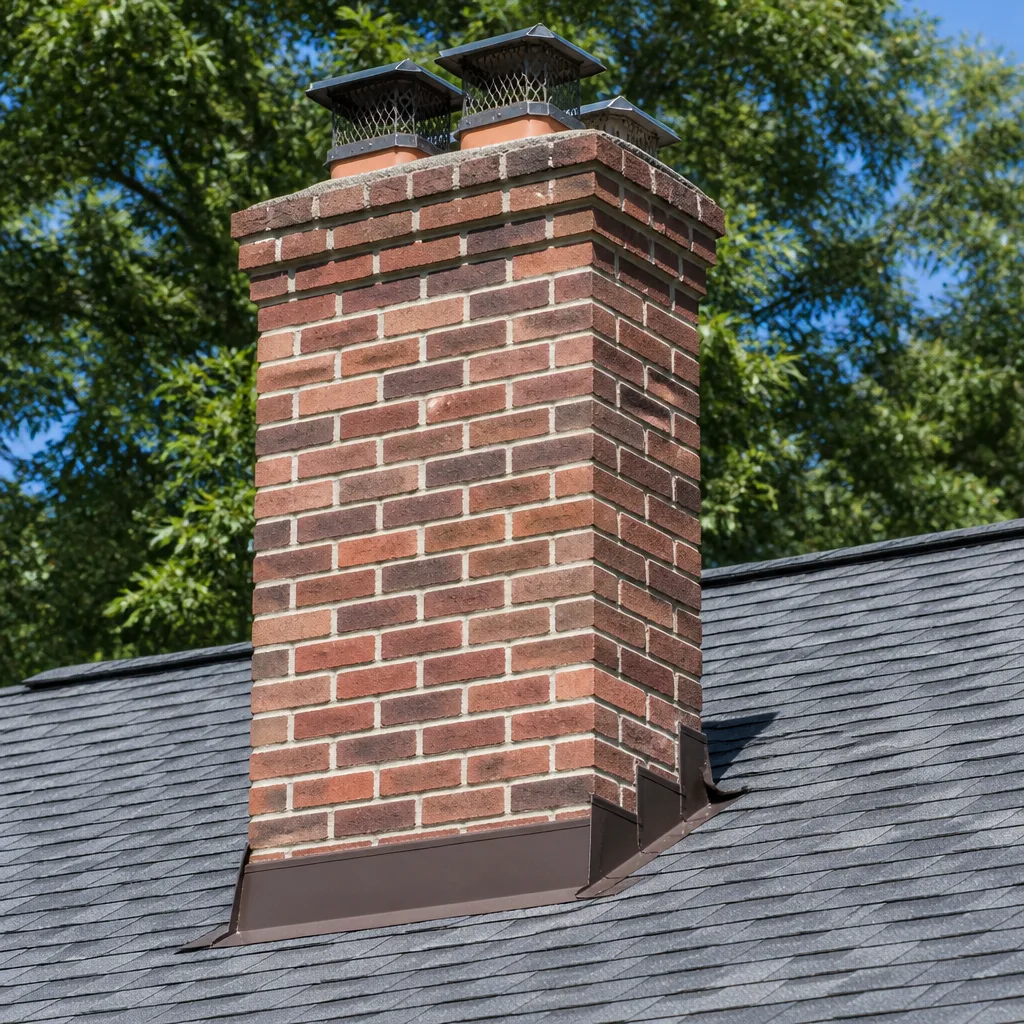 Masonry repair
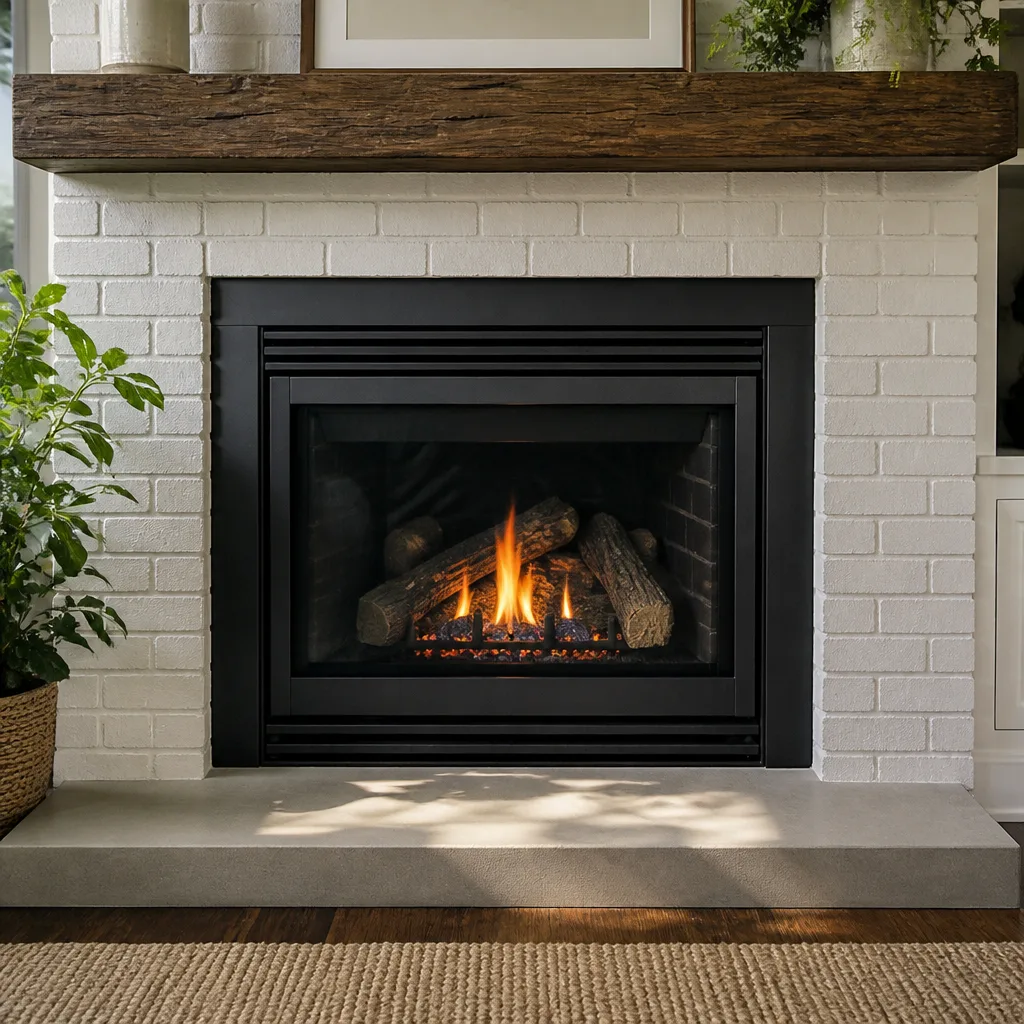 Gas fireplace service
Level 1 sweep and inspection to the NFPA 211 annual standard - flue, crown, cap, and flashing checked and photographed
Chimney sweep logs do not sweep chimneys. They loosen some creosote - which then falls where a brush and vacuum still have to collect it.
Seasonal Chimney Cleaning Care for Sunrise Manor: Year-Round Homeowner’s Guide
Most chimney care calendars are written for places with a spring thaw and a fall frost. Sunrise Manor doesn’t work that way. Here, the burn season is compressed, the summer heat is the real stress test on your chimney’s exterior, and dust events do quiet damage to caps and screens. That’s why scheduling your cleaning in October, the standard advice almost everywhere else, puts Sunrise Manor homeowners at the peak of the burn season with no buffer if the sweep finds a cracked liner or a failing crown. In this guide, we rebuild the seasonal schedule from local conditions up, covering what to do each part of the year, how to bring an idle system back online safely, and the passive habits that keep small issues from turning into repairs.
Quick Answer
In Sunrise Manor, the best time to book a chimney inspection and sweep is August, before the burn season starts, so any repair is finished before you need the fireplace. Summer heat and dust are the hardest on caps, crowns, and screens, so the post-summer inspection catches damage early. Spring tasks after the last fire focus on dampers, caps, and screening, while the system sits idle for six or more months before its first fall fire.
Styles & brands we work with
- Sweep & inspection
- Caps & crowns
- Flue relining
- Masonry repair
- Gas fireplace service
Table of Contents
- Why August, Not October, Is the Right Inspection Window
- What Summer Heat Does to Caps, Crowns, and Flue Seals
- Spring Tasks After the Burn Season Closes
- Waking Up a System That’s Been Idle for Months
- Year-Round Passive Maintenance That Cuts Service Costs
- Dust Season and Your Chimney Cap
- How Sunrise Manor Burn Patterns Differ
- When to Bring In a Professional
Why August, Not October, Is the Right Inspection Window
In most of the country, October is the natural time to think about the chimney: the air turns cool, the leaves drop, and the fireplace comes back to life. In Sunrise Manor, October is already too late to have a comfortable buffer. By the time the first cold snap arrives and homeowners reach for the wood, the burn season is underway. If the inspection that month uncovers a cracked flue liner, a loose cap, or a crown that’s spalling, you’re facing a repair during the exact weeks you want to be using the fireplace.
August solves that. Booking a chimney sweep in late summer gives you three concrete advantages:
- Time to repair. If the sweep turns up a liner problem, there’s room in the calendar to complete a restoration before the first fire. A compressed timeline is how small findings become rushed decisions.
- Post-heat inspection. The worst of the summer heat has already done its work on your cap and crown by August. You’re inspecting after the stress, not before it.
- Cleaner diagnosis. A flue that’s been sitting idle all summer is easier to evaluate than one that’s been used intermittently for weeks. The technician sees the true condition of the liner, not a layer of fresh soot over an old problem.
For Sunrise Manor homeowners with a masonry fireplace or a wood-burning insert, we’ve found that moving the annual appointment from fall to late summer is the single change that removes the most stress from the year. It also spreads demand: August bookings tend to be easier to place than the October rush, which means less waiting and more flexibility if a repair is needed. If your system hasn’t been opened up in a while, plan on a camera inspection so you can see the findings for yourself, not just take a verbal report.
What Summer Heat Does to Caps, Crowns, and Flue Seals
Sunrise Manor summers are the real test for everything above the firebox. When temperatures climb toward 115°F, the materials protecting the top of your chimney go through a daily expansion and contraction cycle. The crown, the concrete cap at the top of a masonry chimney, is the first thing to show the strain. It’s designed to shed water away from the flue, and it does that job well until hairline cracks open up from repeated thermal cycling. Once those cracks appear, water finds the path it’s been looking for all along.
The chimney cap, the metal or masonry cover over the flue opening, is the second failure point. Heat isn’t the only force at work. Sunrise Manor sits in a desert valley where blowing dust is part of the season. Grit works its way into the seams of a cap, abrades the coating, and loosens fasteners over time. A cap that was snug in spring can be rattling by late summer.
Here’s what to watch for after a hot season:
- Cracks or crumbling on the crown. Look for visible fissures, flaking concrete, or a crown that no longer slopes evenly away from the flue.
- A loose or tilted cap. If the cap shifts in wind or shows gaps at the seams, it isn’t doing its job of keeping water and animals out.
- Rust or corrosion on metal caps. Heat and dust accelerate wear on thin metal components.
- Staining on the exterior masonry. Dark streaks below the crown usually mean water is getting in somewhere above.
This is why the post-summer inspection matters more than a spring one in Sunrise Manor. Spring finds the wear from the burn season. Late summer finds the wear from the heat and dust. The second is the one most homeowners miss, and it’s the one that leads to water damage during the winter rains if it’s left alone. When a component has failed, the fix is often smaller than people fear: a crown resurfaced with a HeatShield system, or a cap re-secured and resealed, is far less disruptive than the masonry damage that follows a year of unchecked water intrusion.
Spring Tasks After the Burn Season Closes
When the last fire of the season burns down, the chimney’s job shifts from venting smoke to sitting idle. That transition is where spring maintenance lives. The goal isn’t another full sweep; it’s setting the system up to survive the idle months in good condition, so it’s ready when August rolls around.
Work through these steps as the burn season ends:
- Schedule the post-season sweep. Creosote that accumulates over the winter is best removed before the humid months arrive. Creosote left sitting through the heat and dust season doesn’t get better; it just sits.
- Lubricate the damper. The damper takes the most mechanical abuse of any component in the fireplace. Over a season of opening and closing, the hinge points dry out and begin to stick. A few drops of appropriate lubricant on the damper mechanism keeps it moving freely so it still seals properly when you need it to.
- Check the cap screening. Dust season is also the season when birds, insects, and small animals look for shelter. The spark screen on your cap is the barrier that keeps them out. Inspect it for tears, sagging, or loose attachment, and get it repaired before wildlife makes a home in your flue.
- Look at the firebox and hearth for cracking. Cooler months of use can open hairline cracks in firebox mortar. Catching them in spring means they can be addressed before fire season returns.
- Note anything that felt off during the winter. A damper that got harder to open, smoke that rolled into the room on start-up, a fire that drafted poorly late in the season. Write it down so the late-summer inspection can focus on those symptoms.
Sunrise Manor’s spring is short and warm, which means the window for these tasks is narrow. Get them done as the season closes rather than waiting for a cool day that never comes. Damper lubrication and cap screening are the two tasks homeowners most often skip, and they’re the two that protect the most important parts of the system.
Waking Up a System That’s Been Idle for Months
By the time fall arrives in Sunrise Manor, your chimney may have sat unused for six months or more. That’s a long sleep in a climate that isn’t kind to dormant systems. The first fire of the season shouldn’t be the first time anyone looks at the flue since spring. A system that’s been idle deserves a deliberate wake-up, in this order:
- Book the inspection first. Before you buy a cord of wood or set a single log, have the system inspected. The inspection confirms the liner is intact, the cap is secure, and nothing has taken up residence in the flue during the idle months.
- Confirm the damper operates freely. A damper that’s been closed for months can stick. Test it before you need it, so you’re not fighting a stiff mechanism with a fire already lit.
- Clear the firebox of any debris. Dust, cobwebs, and the occasional leaf that found its way inside should be removed before the first fire. It’s not a safety-critical step on its own, but it makes the first burn cleaner.
- Do a dry run. Light a small, controlled fire and watch how it drafts. You’re looking for smoke that rolls into the room, a fire that struggles to draw, or a smell that suggests something is burning that shouldn’t be. A well-drafted fire pulls smoke up and out; anything else is a signal to stop and have it looked at.
- Check your carbon monoxide detector. A properly working CO alarm is part of any chimney system, not a substitute for maintenance. Test it before the burn season starts.
The wake-up process is where the August inspection pays off. If the inspection happened in late summer, the first fire comes with confidence rather than guesswork. If the inspection didn’t happen, do the steps above with extra care, and treat any odd behavior during the dry run as a reason to stop and get it assessed before regular use.
Year-Round Passive Maintenance That Cuts Service Costs
The most affordable chimney service is the one that finds fewer problems. That isn’t a sales pitch; it’s how this work actually goes. Most of the repairs completed on Sunrise Manor homes start as small issues that were left alone too long. Passive maintenance, the simple habits that don’t require a professional, reduces how often those small issues turn into big ones.
- Burn dry, seasoned wood. Wet wood produces more creosote and more smoke. Creosote is the fuel for chimney fires, so the quality of what you burn directly determines how much of it accumulates in your flue.
- Don’t overload the firebox. Hot, roaring fires stress the flue and firebox materials. A steady, moderate fire heats the room just as well and treats the system better.
- Keep the cap clear of debris. After a dust storm or a windy stretch, a quick look at the cap from the ground confirms it’s still in place and not buried in grit.
- Watch the exterior masonry after rain. Staining, efflorescence (the white powder that sometimes shows on masonry), or a musty smell near the hearth are all signs water is getting into the system.
- Clean the firebox of ash regularly. A thick ash bed restricts airflow and makes the fire harder to control.
- Keep the area around the hearth clear. Combustibles near the fireplace opening are a fire risk that no amount of sweeping can offset.
None of these replace the annual inspection, but together they narrow what the inspection is likely to find. A homeowner who does all six of these can reasonably expect a sweep to find fewer surprises than one who doesn’t. That’s the real value of passive care: not that it eliminates the need for professional work, but that it keeps the professional work smaller.
Dust Season and Your Chimney Cap
Sunrise Manor sits in a valley where wind and dust are regular companions, and that makes your chimney cap a piece of equipment that needs attention more often than in wetter climates. Dust works its way into the seams and fasteners of a cap, and over a season it can build up into a film that holds moisture when rain does come. That film is one of the ways a cap loosens or corrodes faster than its materials would otherwise suggest.
After a notable dust event, do a quick visual check from the ground. You’re looking for:
- A cap that’s out of level. If the cap sits at an angle, the fasteners on one side have likely loosened.
- Visible grit packed into seams. A soft brush and a gentle rinse (done carefully by a technician on the roof, not by the homeowner) can clear it before it causes trouble.
- Torn spark screen. Dust combined with wind can abrade screening. A torn screen is an open door for animals.
- Rust spots on metal caps. In a valley climate, rust spreads quickly once it starts. Small spots are easy to address; widespread corrosion means the cap needs replacement.
Dust season also matters because of the second venting system in your home: the dryer vent. Lint buildup in a dryer vent is one of the leading causes of residential house fires, and the same dry, dusty environment that stresses your chimney cap also fills the dryer vent with lint faster. We handle dryer vent cleaning alongside chimney work, which means one visit covers both of your home’s exhaust and venting systems. If you’re thinking about chimney care, it’s worth confirming the dryer vent isn’t quietly accumulating its own hazard.
How Sunrise Manor Burn Patterns Differ
The burn season in Sunrise Manor is compressed compared to what national maintenance calendars assume. Cold nights come on faster and the warm season arrives sooner, so the weeks of regular fireplace use are concentrated rather than spread across a long autumn and winter. That compression has two practical consequences for chimney care.
First, it concentrates creosote accumulation. A season’s worth of use in fewer weeks means the flue sees more fires in a shorter window, with less time in between. That’s part of why the annual sweep is non-negotiable here rather than optional. Second, it makes the timing of the inspection matter more. In a long-burn climate, a missed October inspection means a homeowner has time to catch up. In Sunrise Manor, it means the repair might land in the middle of the season, when every week of downtime costs you real comfort.
For our team at Paragon Chimney Sweep, the pattern is familiar across Sunrise Manor: homes with masonry fireplaces and wood-burning inserts that get heavy use for a focused stretch each year, then sit idle. The best care plan reflects that rhythm rather than a generic calendar. Late-summer inspection, focused spring tasks, and passive care through the idle months is the cycle that fits how this valley actually lives.
Our technicians have up to experience, and they work from a defined set of professional-grade materials including DuraFlex flexible liner systems and HeatShield restoration systems. That matters for what the inspection can turn up. When a flue liner is cracked or spalled, HeatShield lets us restore the interior surface of the flue without a full demolition and rebuild. When a masonry chimney needs relining, DuraFlex brings it back to code-compliant performance. The point isn’t that you’ll need either, but that a diagnosis only has value if the fix is available in the same service line. Repair work is performed by the same technicians who sweep, so nothing gets handed off.
When to Bring In a Professional
Some chimney care tasks are passive, and some are genuinely dangerous to attempt yourself. Anything involving the flue’s internal surfaces, the crown, the cap at height, or a suspected liner problem belongs with a trained technician. Creosote is a serious fire hazard, and the tools and access needed to inspect and remove it safely are not standard homeowner equipment. If you’re unsure about the condition of your liner, if you see staining on the masonry, if the fire drafts poorly, or if it’s simply been more than a year since the last inspection, book the service rather than experimenting.
The other reason to call a professional is verification. A homeowner’s biggest worry is being told they need expensive liner or masonry work they have no way to check. Our answer is straightforward: nothing is recommended without camera evidence you can see for yourself, and we say plainly when work can safely wait. The written estimate sets the final price, and the estimate is free. Paragon Chimney Sweep offers free estimates in Sunrise Manor. Call (833) 486-5098. We answer 24/7. Fast dispatch from 7am to 7pm, Sunday through Friday.
See the difference
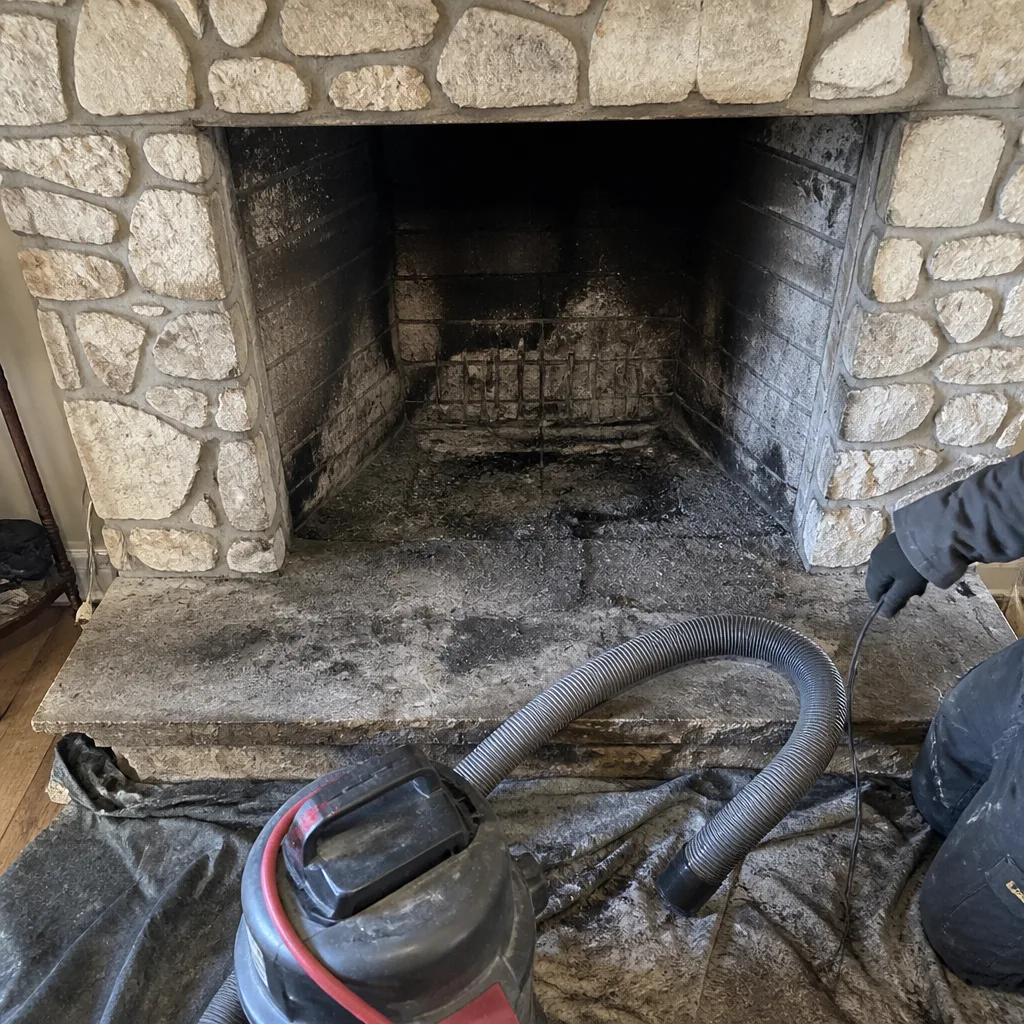 Before
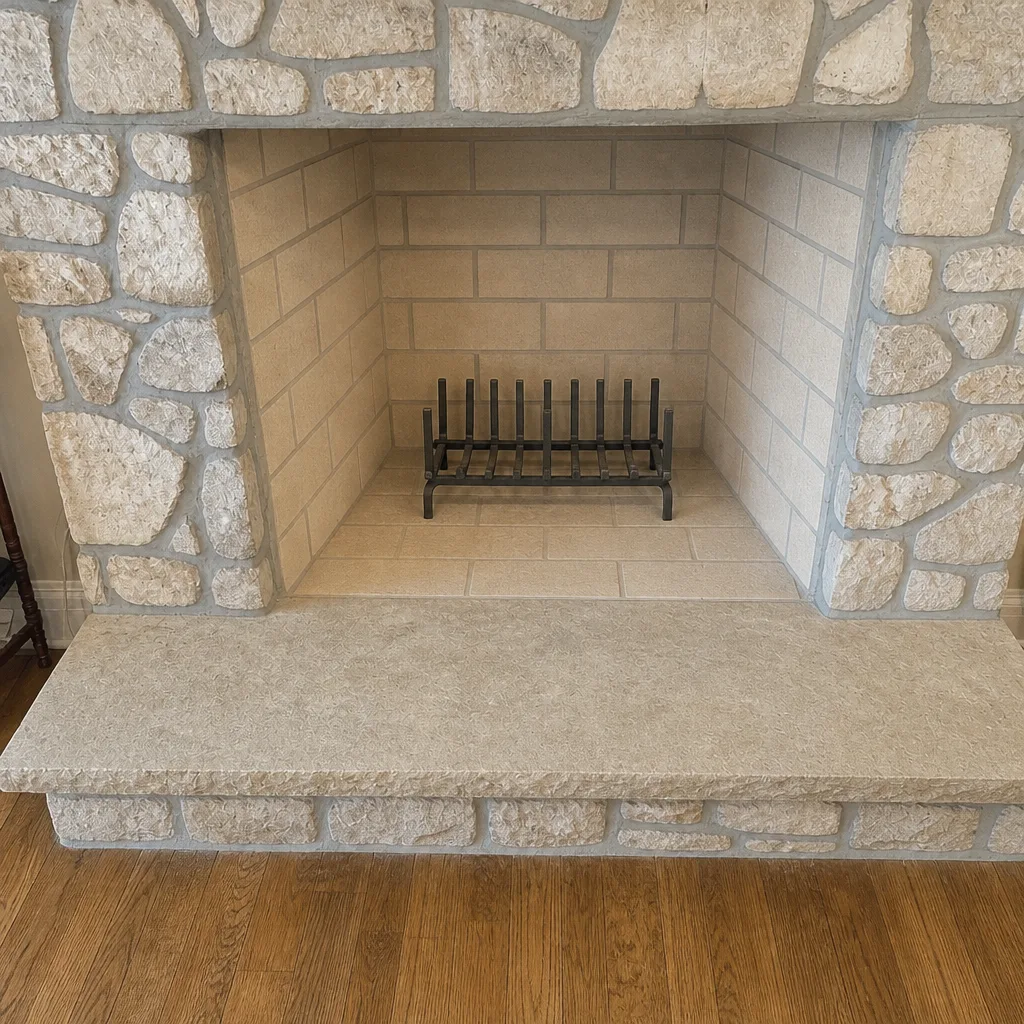 After
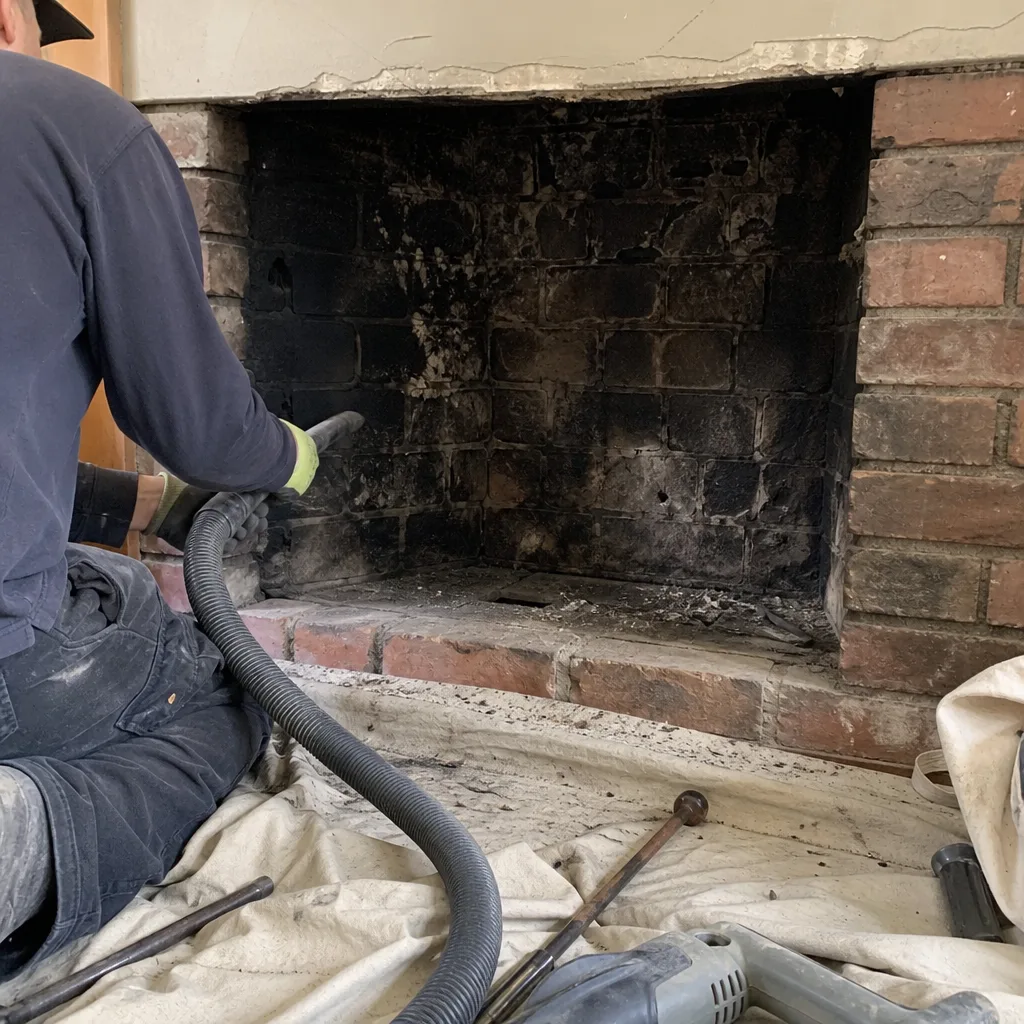 Before
 After
 Before
 After
Common Mistakes to Avoid
- Waiting until October to book the sweep. In most climates, October is fine. In Sunrise Manor, it puts you at the season’s peak with no room to fix a problem the sweep finds. Book in August.
- Skipping the inspection because the fireplace worked fine last year. A chimney doesn’t have to fail visibly to be unsafe. Creosote buildup and slow liner cracks happen quietly, which is the whole reason the inspection exists.
- Leaving the cap and crown unchecked through summer. Sunrise Manor heat cycles crack crowns and loosen caps, and the damage happens when nobody’s looking. The summer inspection is what catches it.
- Burning unseasoned wood to save money. Wet wood deposits more creosote in the flue, which increases chimney fire risk and makes the next sweep find more work. Dry wood is the cheaper choice over time.
- Forgetting the dryer vent entirely. Homeowners think about the fireplace and forget the other exhaust vent. Lint buildup is one of the leading causes of house fires, and it accumulates faster in a dusty valley environment.
- Waking up an idle system with a full fire on the first cold night. A chimney that’s been closed up for months should get an inspection, a damper test, and a small dry run before the first serious burn of the season.
- Attempting flue or crown work from a ladder. The components that matter are at height, on a surface that’s often hotter, dustier, or more fragile than it looks. That’s not a homeowner task.
Frequently Asked Questions
Schedule it in August, before the burn season starts. Late summer inspection gives you time to complete any repair before the first cold snap, and it catches the damage that summer heat and dust do to your cap and crown. Call (833) 486-5098 for an exact quote, and the estimate is free.
Once a year is the baseline for a wood-burning system, and the compressed burn season here makes annual service non-negotiable rather than optional. Homes that burn heavily may need a second look partway through the season. When in doubt, book the inspection rather than guessing.
Summer heat drives daily expansion and contraction in your crown and cap, and over a season it opens hairline cracks and loosens fasteners. Once cracks appear, water can get in and cause real damage during the cold months. A post-summer inspection catches this before the damage spreads.
Yes. A working fireplace can still have a creosote or liner problem that isn’t visible from the room. The inspection is what tells you whether it’s safe, and finding a small problem now is far cheaper than dealing with it after a failure. Call (833) 486-5098 for a free estimate.
That’s exactly what the late-summer inspection is for. We confirm the liner, check the cap and crown, test the damper, and give you the green light to light your first fire with confidence. If the system has been idle for six months or more, don’t skip this step.
Yes. Dryer vent cleaning is one of our three core services alongside chimney sweeping and chimney repair, and it makes sense to handle both venting systems in one visit. Lint buildup is one of the leading causes of residential house fires, and this valley’s dust makes it accumulate faster.
The Bottom Line
Sunrise Manor’s chimney care calendar isn’t the one most guides describe. The burn season is compressed, the summer heat does its damage to crowns and caps, and dust works on screens and vents year-round. The schedule that fits this climate is late-summer inspection, focused spring tasks, careful wake-up before the first fire, and passive care in between. Move your annual appointment from October to August, keep the cap and crown inspected after the heat, and treat both venting systems, chimney and dryer, as part of the same safety picture. Our technicians have up to experience and work from professional-grade materials including DuraFlex and HeatShield, so the diagnosis and the fix come from the same place. Call (833) 486-5098. We answer 24/7. Fast dispatch from 7am to 7pm, Sunday through Friday.
Written by the team at Paragon Chimney Sweep.