
Last updated November 15, 2026
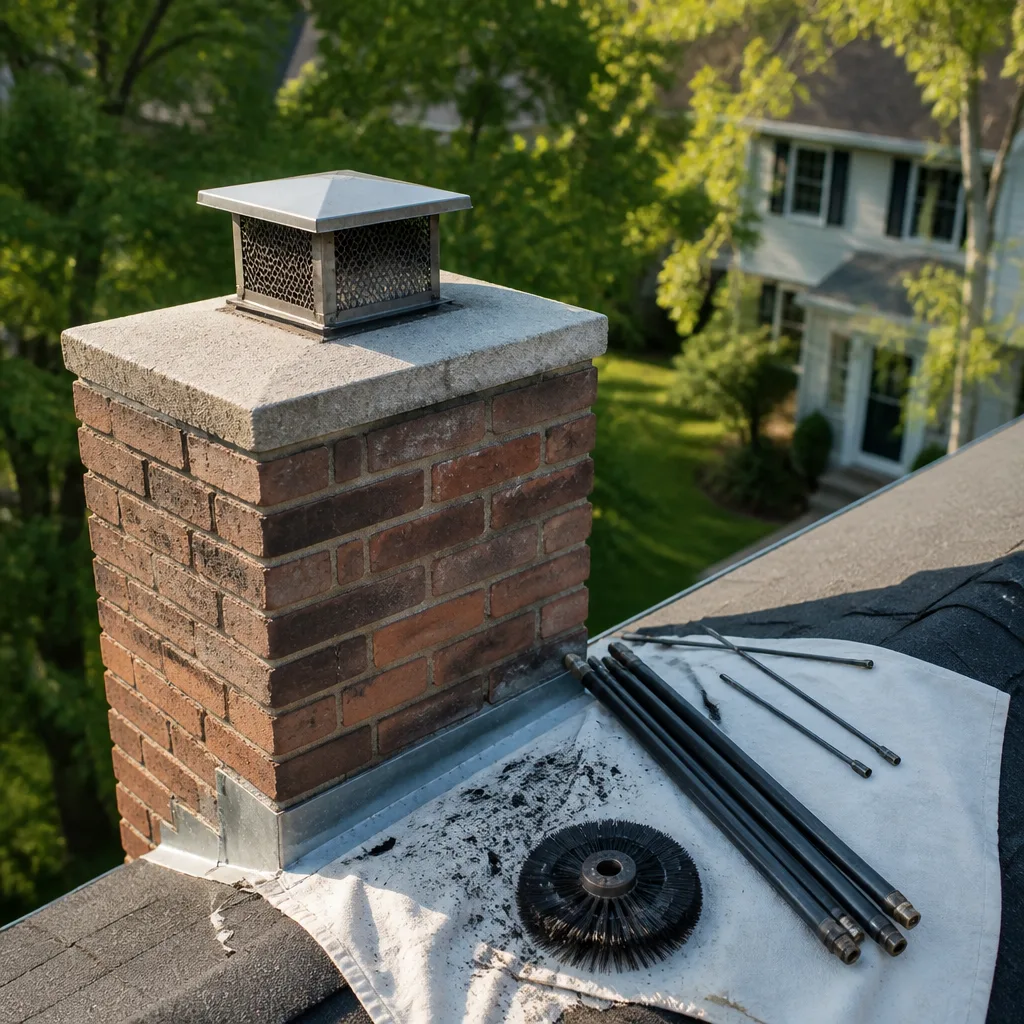 Sweep & inspection
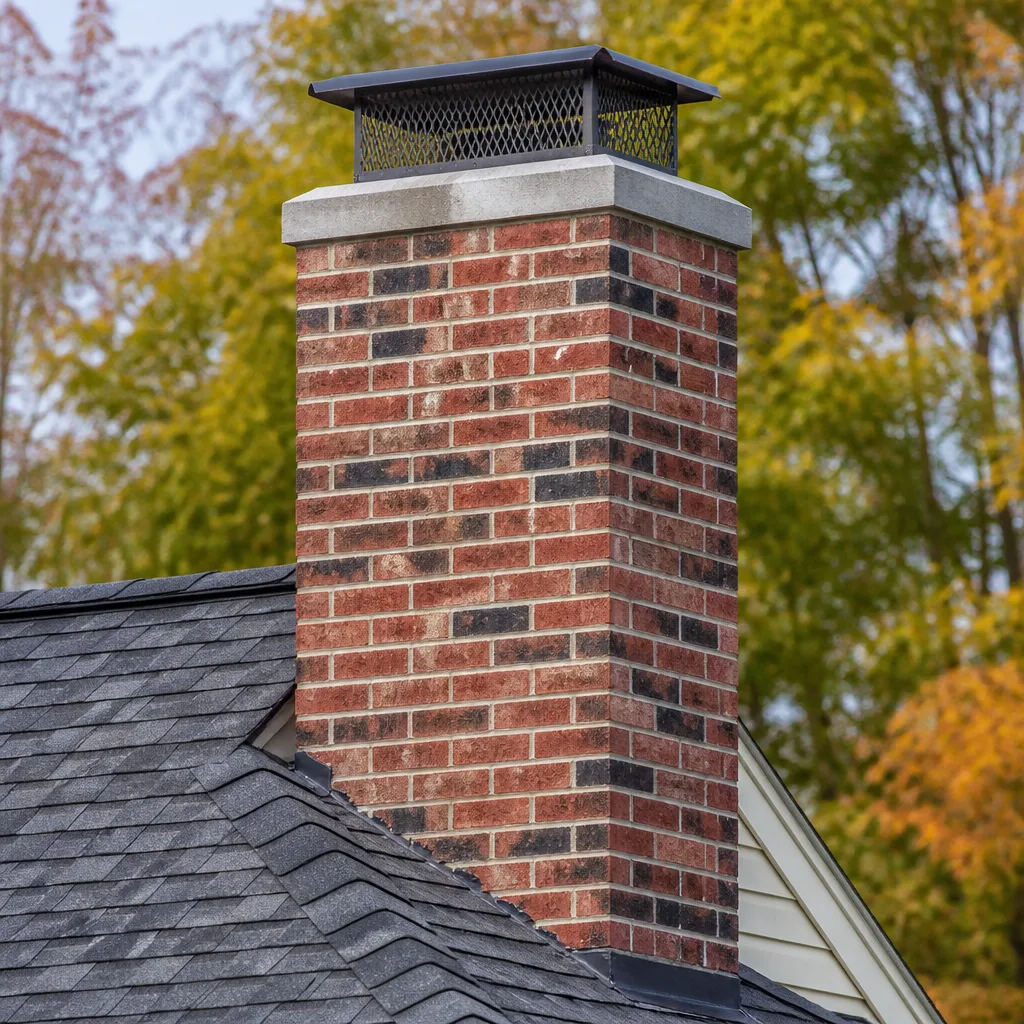 Caps & crowns
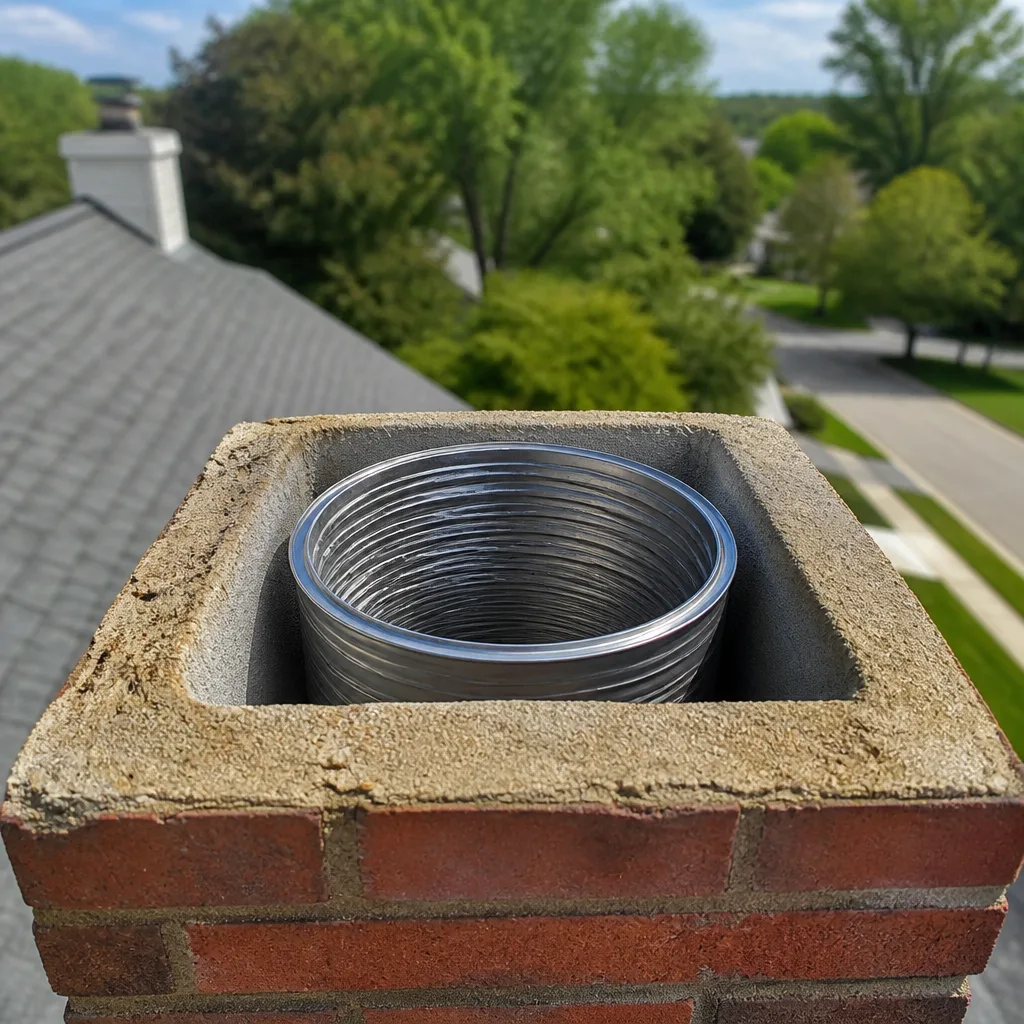 Flue relining
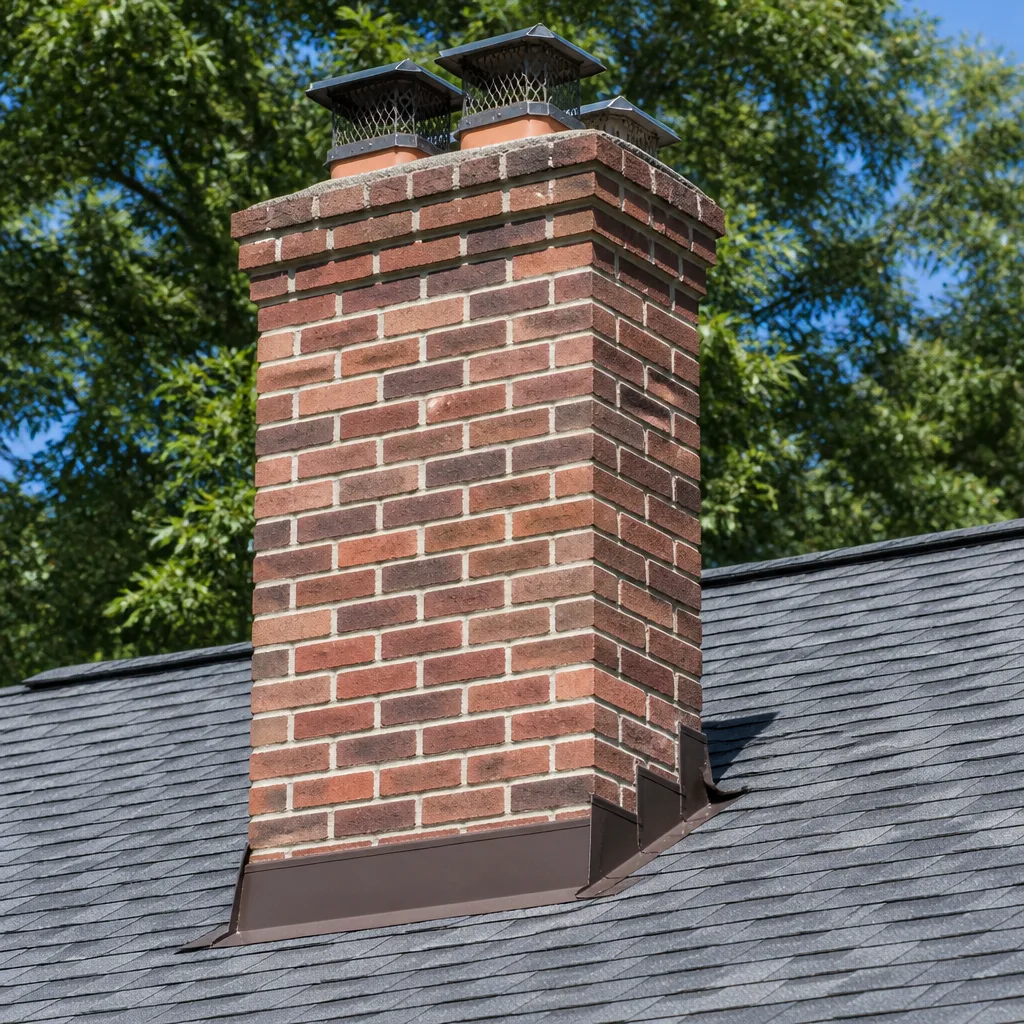 Masonry repair
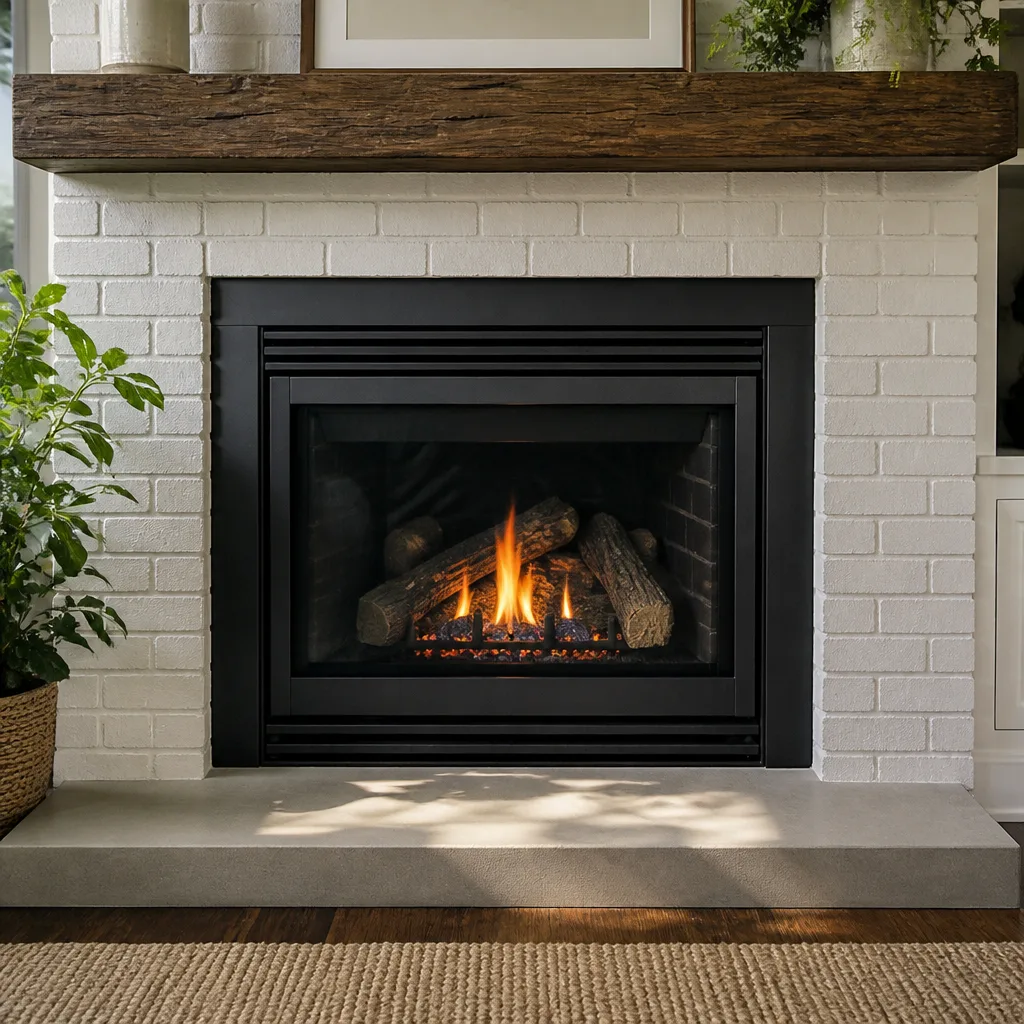 Gas fireplace service
Level 1 sweep and inspection to the NFPA 211 annual standard - flue, crown, cap, and flashing checked and photographed
Chimney sweep logs do not sweep chimneys. They loosen some creosote - which then falls where a brush and vacuum still have to collect it.
Chimney Cleaning Emergency Preparedness Guide for Sunrise Manor Homes
Most homeowners think a chimney fire announces itself. It usually doesn’t. The dangerous ones smolder quietly behind a wall of glazed creosote, and by the time they’re loud enough to notice, the fire has already found the framing. The real work of emergency preparedness in Sunrise Manor happens months before a fire ever starts, in the decisions you make about how often the flue gets swept and what condition you keep it in. This guide walks through the physical sequence that leads to a chimney fire, what to actually do in the first minute if one starts, and what has to happen before the fireplace is safe to use again.
Quick Answer
Emergency preparedness for a chimney in Sunrise Manor means interrupting the fire sequence before ignition: getting the flue swept before the heating season, keeping creosote from accumulating past the glaze stage, having working smoke and carbon monoxide detectors on every level, and knowing exactly what to do in the first 60 seconds of a suspected fire. If you burn wood, schedule an annual inspection. If you can’t remember the last sweep, that’s your signal to book one.
Styles & brands we work with
- Sweep & inspection
- Caps & crowns
- Flue relining
- Masonry repair
- Gas fireplace service
Table of Contents
- The Physical Sequence That Leads to a Chimney Fire
- What to Do in the First 60 Seconds of a Suspected Chimney Fire
- Why Closing the Damper Isn’t Always the Right Call
- Carbon Monoxide Risk in Gas Fireplace Systems
- Detector Placement That Actually Works
- What to Have Ready Before You Call Emergency Services
- Post-Incident Steps Before You Light Another Fire
- Building a Prevention Calendar for a Sunrise Manor Home
The Physical Sequence That Leads to a Chimney Fire
A chimney fire is the last stage of a process that takes months to develop. Understanding the sequence matters because every stage between accumulation and ignition is an intervention point you control. Skip them all and you’re relying on the smoke detector to buy you time you don’t have.
Stage 1: Smoke condenses into creosote. Every wood fire produces smoke, and smoke carries unburned tar and wood gas up the flue. When that smoke hits a cooler surface inside the chimney, the tar condenses and sticks. The first layer is soft and easy to brush away. This is why annual sweeping catches the problem at its cheapest point.
Stage 2: The creosote hardens. Leave the soft layer in place and the next fire bakes it into a flaky, crusty deposit. This stage is harder to remove but still comes off with a proper sweep and the right tools.
Stage 3: Glaze. Heat cycles turn the crusty deposits into a dense, shiny, tar-like coating fused to the flue wall. Glazed creosote is the fuel that makes a chimney fire dangerous, and it does not come off with a standard brush. This is where mechanical sweeping fails and chemical or rotary treatment becomes necessary, and in Sunrise Manor’s dry climate the flue cycles through hot and cool more sharply than a humid region would, which accelerates the baking process.
Stage 4: Ignition. A hot ember or a burst of flame reaches the glazed layer and the creosote itself starts burning. A chimney fire can reach temperatures hot enough to crack a flue liner and travel into attic framing in minutes. In Sunrise Manor, where most housing is wood-frame stucco, that framing is closer to the chimney than many homeowners realize.
The point: each stage is a chance to intervene. The cheapest intervention is a routine chimney sweep before the burning season starts. The most expensive is a flue rebuild after a fire. Choose the earlier stage.
What to Do in the First 60 Seconds of a Suspected Chimney Fire
You may not see flames. What you might notice is a loud roaring or popping sound from the chimney, a strong smell of smoke inside the house, or the chimney pipe glowing or vibrating. Treat any of those as a fire until proven otherwise. Your first sixty seconds are about people, not property.
- Get everyone out first. That includes pets. Do not stop to grab belongings. Exit through the nearest door and move away from the house.
- Call 911 from outside. State that you suspect a chimney fire. Even if you think it might be extinguished, call. Chimney fires can spread into walls and attic framing without visible flame from the fireplace room.
- Do not re-enter to check on the fireplace. The fire can be in the chimney cavity or the framing above it, which you cannot see from the room.
- If you’re still inside and the fire is small and contained to the firebox, close the glass doors or screen. This cuts off oxygen to the firebox itself. Do this only if you can do it without lingering. Then leave.
- Do not spray water into a hot flue. Water on a firebrick or a metal liner that’s been heated to chimney-fire temperatures can crack it and cause a steam-driven failure. A hot liner hit with cold water is a bad outcome, not a rescue.
The instinct to fight the fire is strong. Resist it. The professionals on the way have equipment, thermal imaging, and the training to tell you whether the fire is actually out or has just gone quiet.
Why Closing the Damper Isn’t Always the Right Call
You’ve probably heard that closing the damper starves a chimney fire of oxygen. That’s true for the late stage, when the creosote is actively burning and the fire is drawing hard. But the damper is not a fire control device, and closing it in the wrong situation can make things worse.
Here’s the problem. When a chimney fire burns hot in the flue, it can crack the flue liner. Once the liner is compromised, the chimney is no longer safely venting smoke and combustion gases outside. If the damper is closed and the liner is cracked, those gases have nowhere to go but into the house. That’s the pathway to carbon monoxide exposure and smoke in the living space.
A safer rule than “always close the damper” is this: if the chimney is roaring, close the glass doors and the damper, then get out and call 911. If the fire seems to have burned out on its own, do not reopen the damper until a professional has inspected the flue. A fire that looks extinguished can still have hot embers trapped in cracked masonry or in a damaged liner, and reopening the damper feeds oxygen back to them.
In Sunrise Manor’s older masonry fireplaces, the damper assembly itself is often the original cast-iron unit, and decades of heat cycles have left many of them warped or stuck. If your damper doesn’t move freely now, that’s a chimney repair issue to address before the next heating season, not during an emergency. A stuck damper is a fire-safety liability whether or not the flue is clean.
Carbon Monoxide Risk in Gas Fireplace Systems
Carbon monoxide is the emergency most homeowners underestimate, because gas fireplaces produce no smoke and no visible creosote. That doesn’t mean there’s nothing to maintain. It means the failure is silent.
Gas fireplaces and gas-log sets rely on a vented chimney or a direct-vent system, and both have specific failure modes. A blocked vent terminal, a disconnected flue pipe, a deteriorated mortar joint, or a nest built inside the flue during the off-season can all redirect combustion byproducts into the room instead of outside. In Sunrise Manor, where desert wildlife and seasonal insects find their way into chimneys and vent terminations, a blocked vent is a real and recurring concern, not a theoretical one.
The symptoms of carbon monoxide exposure are easy to dismiss: headache, dizziness, nausea, fatigue. The symptoms improve when you leave the house and return when you come back. If that pattern sounds familiar, get the system inspected before you run it again. Do not assume it’s a coincidence.
Keep a few things in mind:
- Open-flame gas appliances need venting that actually extracts combustion gases, and the vent has to be clear.
- A vented gas fireplace with a cracked or displaced flue liner is failing even if the flame looks normal.
- Carbon monoxide detectors are a backstop, not a substitute for inspection.
- Gas-burning systems deserve a professional inspection at least once a year, just like wood systems.
If you notice any of these symptoms, leave the house and call 911. Then, once the house is cleared, book an inspection before you light the fireplace again.
Detector Placement That Actually Works
Detectors only help if they’re in the right place and working. Most homeowners install one near the kitchen and call it done. That’s not enough for a fireplace home in Sunrise Manor or anywhere else.
Here’s what to prioritize:
- Smoke detectors on every level of the house, inside each sleeping area, and in the hallway outside bedrooms.
- A smoke detector in the room with the fireplace. This catches the initial problem fast, when the fire is still contained.
- A carbon monoxide detector on each level and outside each sleeping area. Many belong specifically near the fireplace room if it’s a gas appliance.
- Interconnected alarms. When one sounds, they all sound. A detector in the attic or basement won’t alert someone sleeping on the second floor if they’re not connected.
Test alarms once a month. Replace batteries when they chirp and replace the entire smoke alarm unit according to its manufacturer’s printed lifespan (usually printed on the back). Detectors have a shelf life. A ten-year-old smoke alarm that still chirps when tested is not the same as a working one.
What to Have Ready Before You Call Emergency Services
In an actual emergency, you won’t have time to look things up. Having a small note or a saved contact on your phone with the essentials makes the call faster and gives the responding crew what they need to size up the situation before they arrive.
Have these ready before an emergency, not during one:
- Chimney type. Masonry chimney or prefabricated metal? If you’re not sure, the last inspection report will say.
- Fuel type. Wood-burning fireplace, insert, gas fireplace, pellet stove, or multifuel? Each has different fire behavior and different venting concerns.
- Date of last inspection and last sweep. If you don’t know, say so. The dispatcher isn’t judging you, and the responding crew needs to know.
- Whether the chimney is currently in use and what was last burned in it.
- The address and a clear access note. If the chimney is on the back of the house and the front is hard to reach, say that.
- Any known issues. A stuck damper, a known crack, a masonry repair you’ve been postponing. Being honest here helps the responding team.
Keep the same note saved for the non-emergency call too. When you call for a Paragon Chimney Sweep inspection and we ask about the last sweep, that saved history makes the conversation short and the estimate more accurate.
Post-Incident Steps Before You Light Another Fire
After a suspected or confirmed chimney fire, the fireplace is not safe to use just because the flames are out. The fire can leave behind cracked liners, damaged mortar, warped dampers, and structural damage to the chimney that isn’t visible from the fireplace room. Use the fireplace again before an inspection and you’re running a second fire through damaged components.
The sequence after a chimney fire should be:
- Fire department clearance first. If the fire department responded, wait for them to tell you the scene is safe and the structure isn’t compromised.
- Level 2 inspection. A post-incident inspection is more thorough than a routine sweep. It involves the accessible portions of the chimney interior and exterior, the attic, and the firebox, and it often includes video scanning of the flue. This is what determines whether the liner survived the fire.
- Documentation. Get a written report of the inspection findings, including whether the flue is intact, whether the damper is functional, and whether any masonry or liner repairs are required. If you file an insurance claim, the report is what your insurer will ask for.
- Repair before reuse. If the inspection reveals a cracked or warped liner, that’s a repair that has to happen before the next fire. A damaged liner no longer does its job of venting gases outside, and using the fireplace anyway is the same as using an unlined chimney.
- Re-inspection after repair. Once the repair is complete, the system should be inspected again before it’s declared safe to use.
Liner replacement into an existing masonry chimney is often done with a flexible liner system, which means the chimney does not have to be demolished and rebuilt to become code-compliant again. Systems like DuraFlex are designed exactly for this: relining a damaged chimney from the top down and bringing it back to safe performance without touching the surrounding masonry. We use professional-grade liner systems for this reason. A liner repair is a repair, not a rebuild, and the chimney is still there when it’s done.
Building a Prevention Calendar for a Sunrise Manor Home
Prevention is where the real emergency preparedness happens. A homeowner with a working prevention calendar almost never has a chimney emergency, because the calendar catches the problem at stage one. A homeowner without one is counting on detectors and luck.
Here’s the schedule we recommend for a wood-burning fireplace in Sunrise Manor:
- Before the burning season: sweep the flue and have the chimney inspected. In Sunrise Manor the burning season starts when the desert nights get cold, so late summer or early fall is when the calendar fills up.
- During the season: check the firebox and damper before the first fire of the season. Make sure the flue is clear and the damper moves freely. If anything is off, stop and call.
- Every month: test smoke and carbon monoxide detectors.
- Annually: dryer vent cleaning. Dryer vent fires are one of the leading causes of residential house fires in the US, and the guide to dryer vent cleaning covers why lint accumulation in a vent run is the same kind of deferred-maintenance risk in a different system. One visit can address both the chimney and the dryer vent.
- After any chimney fire, earthquake, or major storm: inspection before reuse.
If you’re in an older property in Sunrise Manor, add a check of the flue tiles and mortar joints to the pre-season inspection. The older masonry housing stock in this area was built before modern liner standards, and a clay tile flue that’s sixty years old has had a lot of heat cycles. A pre-season inspection catches a failing tile before it becomes a liner emergency. Copperfield and Olympia Chimney components are commonly used for these repairs because they match the local climate tolerances for heat cycling.
Common Mistakes to Avoid
- Assuming a gas fireplace is maintenance-free. Gas fireplaces still need annual inspection and still produce carbon monoxide. Skipping the inspection because there’s no creosote is one of the most common reasons gas-related CO events happen.
- Burning unseasoned wood to save money. Green wood produces more smoke, and more smoke becomes more creosote. In Sunrise Manor’s dry climate it’s tempting to think wood dries fast, but a split log can hold moisture for a full season, and burning it before then is exactly how glazed creosote forms.
- Closing the damper as a first move in every fire. If the flue liner is already compromised, closing the damper sends combustion gases into the house. The damper is a fire control tool only when the fire is actively drawing hard, not a universal response.
- Cleaning the chimney with a drill brush on glazed creosote. Standard mechanical sweeping doesn’t remove glaze. Brushing the glazed layer can polish it and make it harder to remove later. Glaze requires a different treatment approach.
- Relying on one detector. A single smoke detector near the kitchen won’t catch a chimney fire that starts in the attic. Detectors on every level with interconnection are the standard, not a luxury.
- Ignoring a chirping alarm. A chirping detector is a warning, not a nuisance. Replacing the battery takes a minute and keeps the alarm doing its job.
- Using the fireplace after a fire without an inspection. A fire that looked minor can leave a cracked liner or warped damper. Reuse without inspection is the riskiest decision in this whole guide.
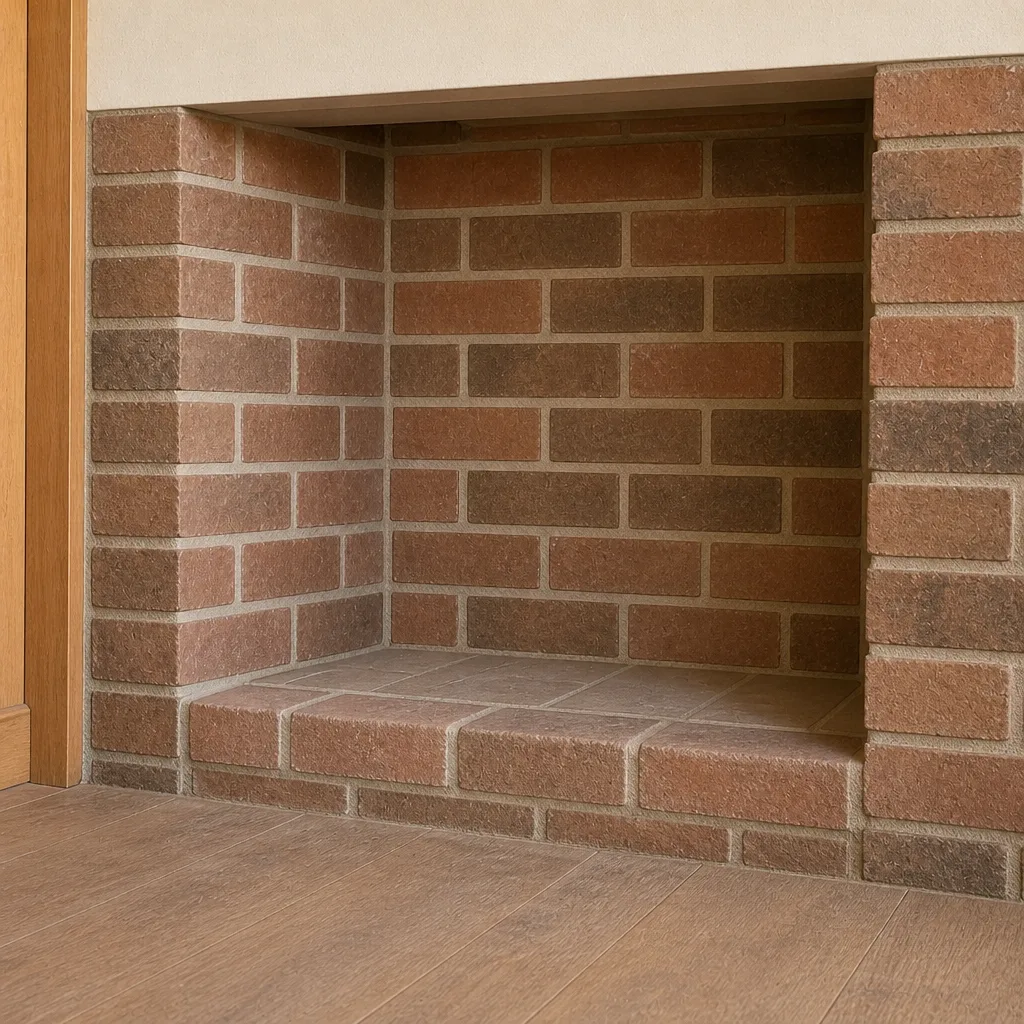
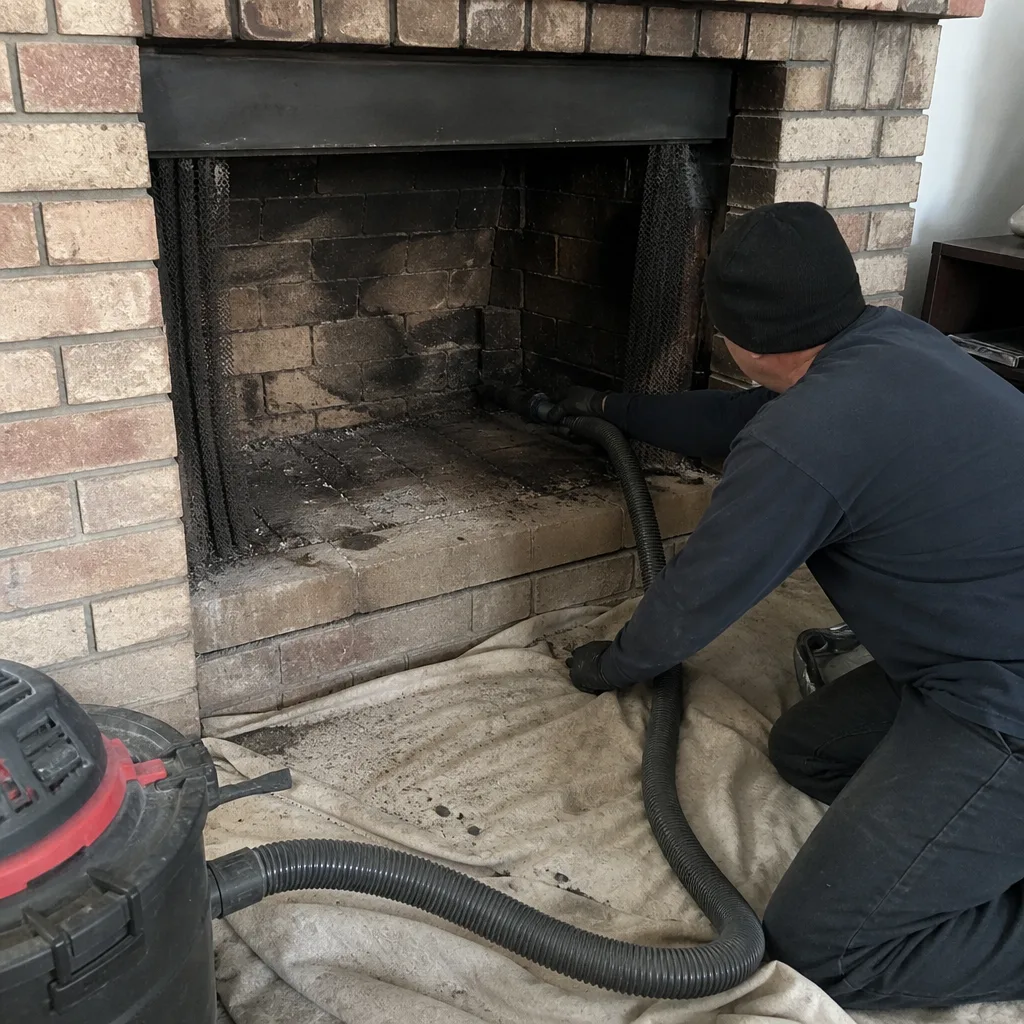
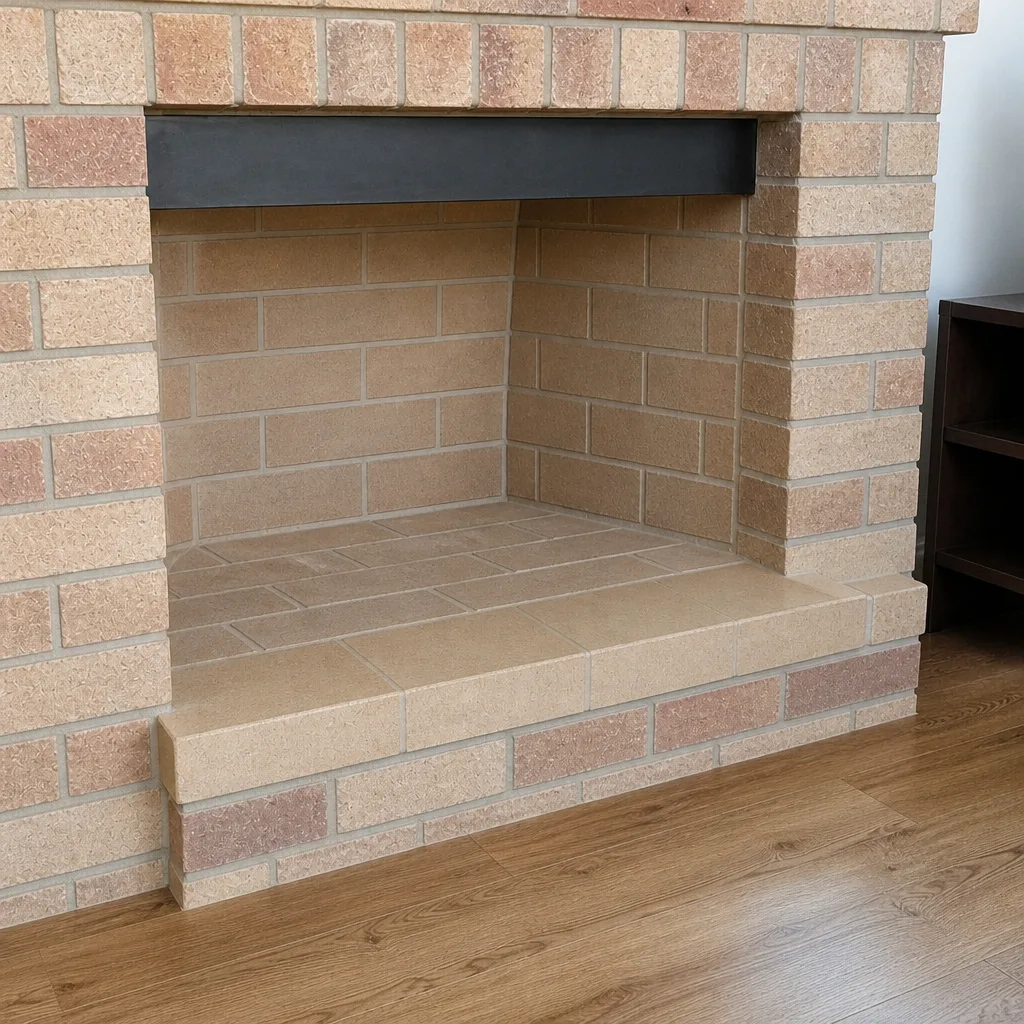
See the difference
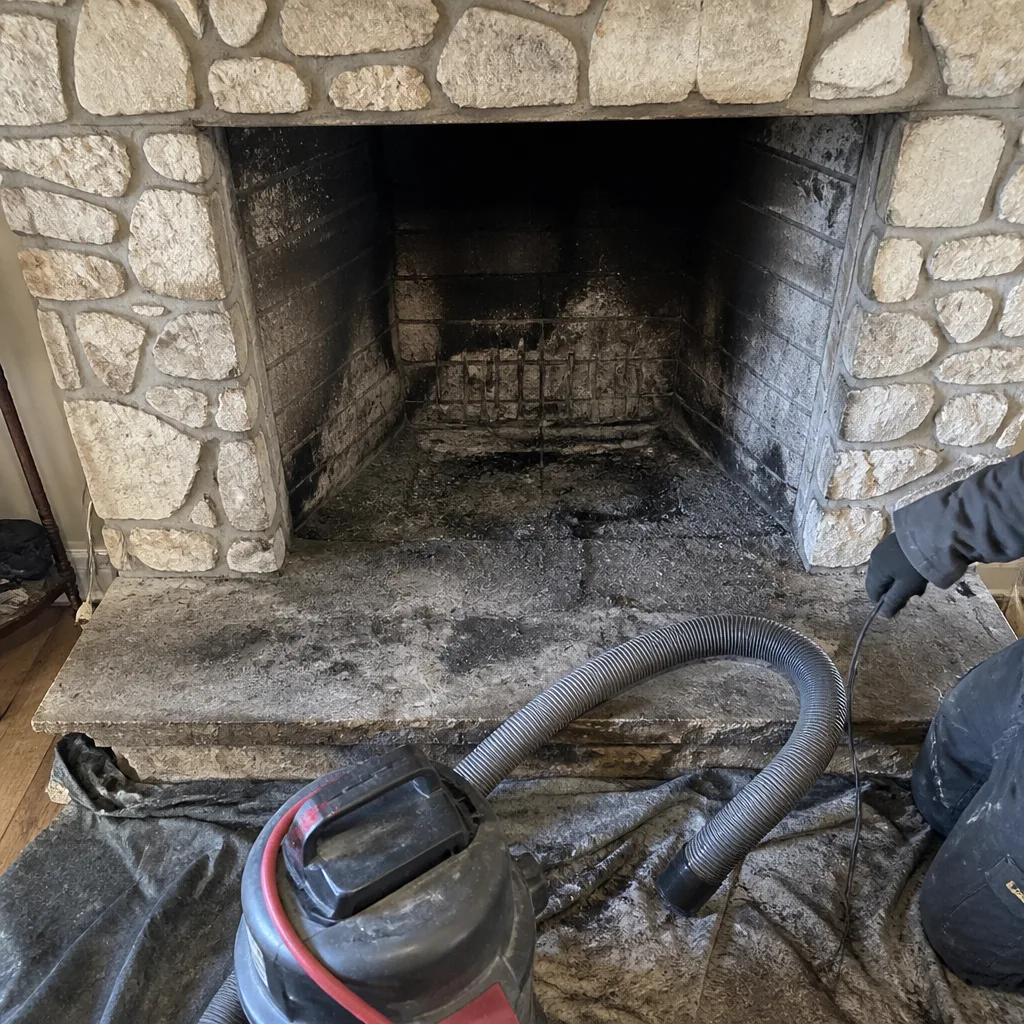 Before
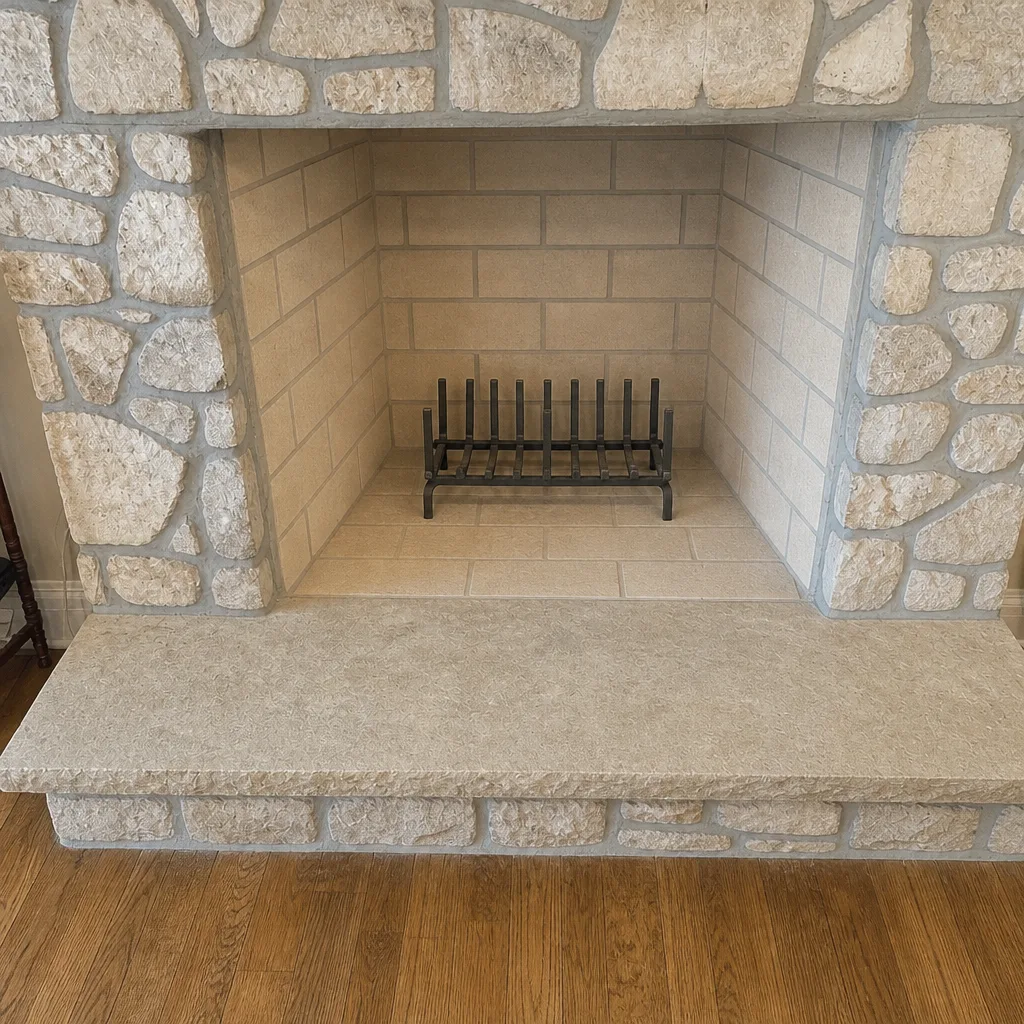 After
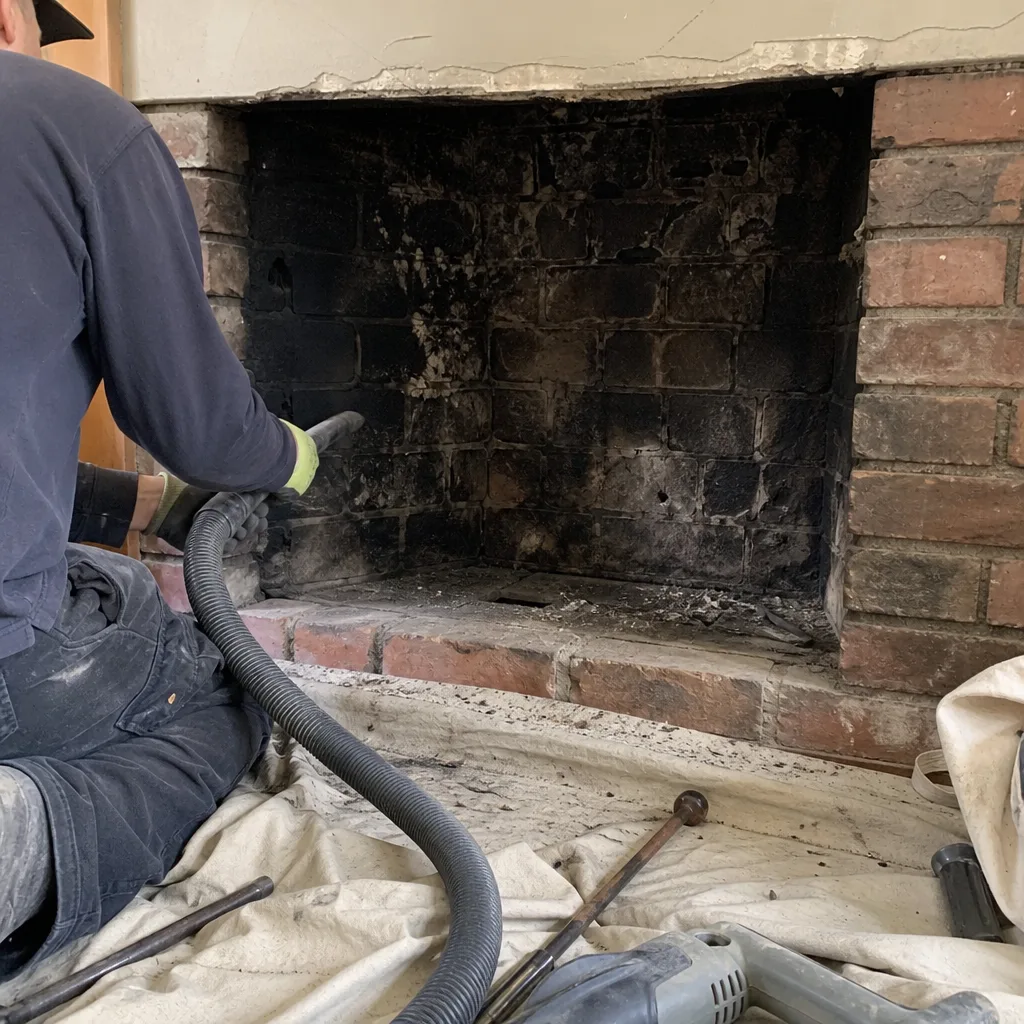 Before
 After
 Before
 After
When to Call a Professional
Call for a professional inspection if any of these apply: you haven’t had the chimney swept in more than a year, you notice smoky smells inside the house when the fireplace is running, the chimney has visible damage or crumbling mortar, you smell gas near a gas fireplace, you suspect a chimney fire happened even if it went out, you’ve moved into a property in Sunrise Manor without a recent inspection report, or you want to bring a fireplace out of a long period of non-use. Any of those warrants the call. Paragon Chimney Sweep offers free estimates in Sunrise Manor, call (833) 486-5098. Our technicians have up to experience, and we diagnose and repair in the same visit so you’re not coordinating a second contractor. We answer 24/7. Fast dispatch from 7am to 7pm, Sunday through Friday.
Frequently Asked Questions
For a wood-burning fireplace used regularly, once a year is the standard, and the sweep should happen before the burning season starts. If the fireplace is used heavily or burn quality is poor, more often. Gas fireplaces should be inspected annually even though there’s no creosote. Call (833) 486-5098 for an exact quote, estimates are free.
A standard sweep is typically priced per job based on the chimney type and condition, and the written estimate sets the final price. The estimate is free. If the inspection finds glazed creosote or liner damage, that’s a separate repair estimate and you’ll see the findings before any work is authorized. Call (833) 486-5098 for an exact quote, estimates are free.
Not always, but the flue liner has to be inspected to know. A post-incident inspection determines whether the liner survived the fire intact. If it’s cracked or warped, it has to be repaired or relined before the fireplace is safe to use again. A flexible liner system like DuraFlex can bring a damaged chimney back to code-compliance without a full rebuild. Call (833) 486-5098 for an exact quote, estimates are free.
Creosote accumulates, hardens, and eventually glazes, and glazed creosote is the fuel that makes chimney fires dangerous. Skipping the sweep also means the inspection isn’t catching cracked flue tiles, failing mortar, or a blocked vent. The risk isn’t a dirty flue, it’s a hidden fire or CO pathway. Call (833) 486-5098 for an exact quote, estimates are free.
No. A working CO detector is a backstop, not a substitute for inspection. It catches CO after it’s already in the house, which is later than you want. The protection you actually want is a chimney that isn’t leaking combustion gases in the first place, and that comes from a professional inspection. Call (833) 486-5098 for an exact quote, estimates are free.
Get everyone out of the house, including pets, and call 911 from outside. Do not re-enter to check on the fireplace. Closing the glass doors and damper is only appropriate if the fire is actively drawing and you can do it on your way out. After the fire department clears the scene, book a post-incident inspection before you light another fire. Our team handles the inspection and repair under one roof, and you can reach us at (833) 486-5098 once the scene is cleared.
The Bottom Line
Preparedness is not a fire extinguisher and a plan. It’s a chimney that never reaches the stage where the plan is needed. Every chimney fire starts as a soft layer of creosote that no one swept, and every stage between that layer and ignition is a chance to stop the sequence. For a Sunrise Manor home, that means an annual sweep before the burning season, working detectors on every level, a yearly inspection on any gas fireplace, and a clear understanding of what your first sixty seconds should look like if something does go wrong. If you take nothing else from this guide, take the calendar. Book the sweep, then build the rest of the plan around it. The homeowners who never have a chimney emergency are the ones who make the annual call without waiting for the first cold night. Our Sunrise Manor service covers inspections, sweeps, and repairs under one roof, so you’re not coordinating the fire-prevention plan across multiple contractors.
Reach out to Paragon Chimney Sweep at (833) 486-5098 for a free estimate. We answer 24/7. Fast dispatch from 7am to 7pm, Sunday through Friday. We’ll inspect the flue, tell you exactly what condition it’s in, and quote the work before anything starts.
Written by the team at Paragon Chimney Sweep.