
Last updated November 15, 2026
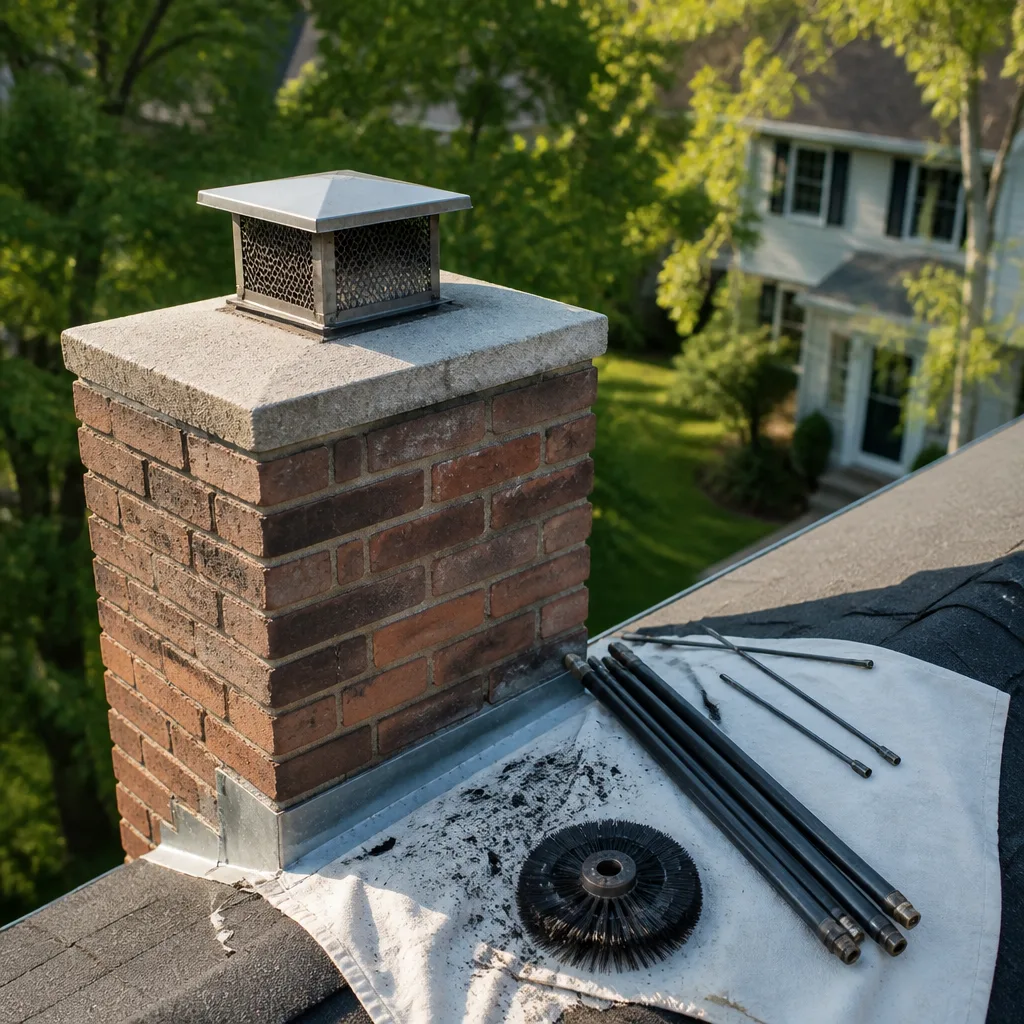 Sweep & inspection
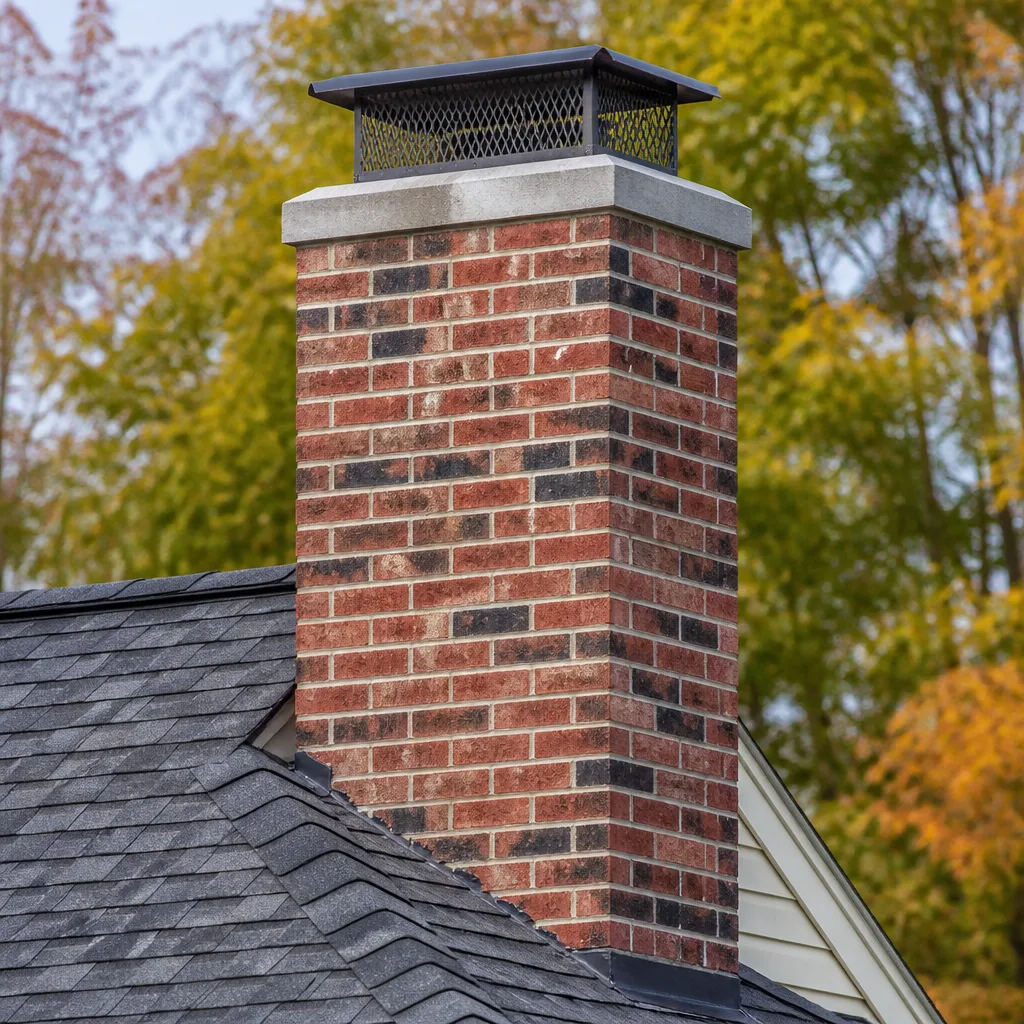 Caps & crowns
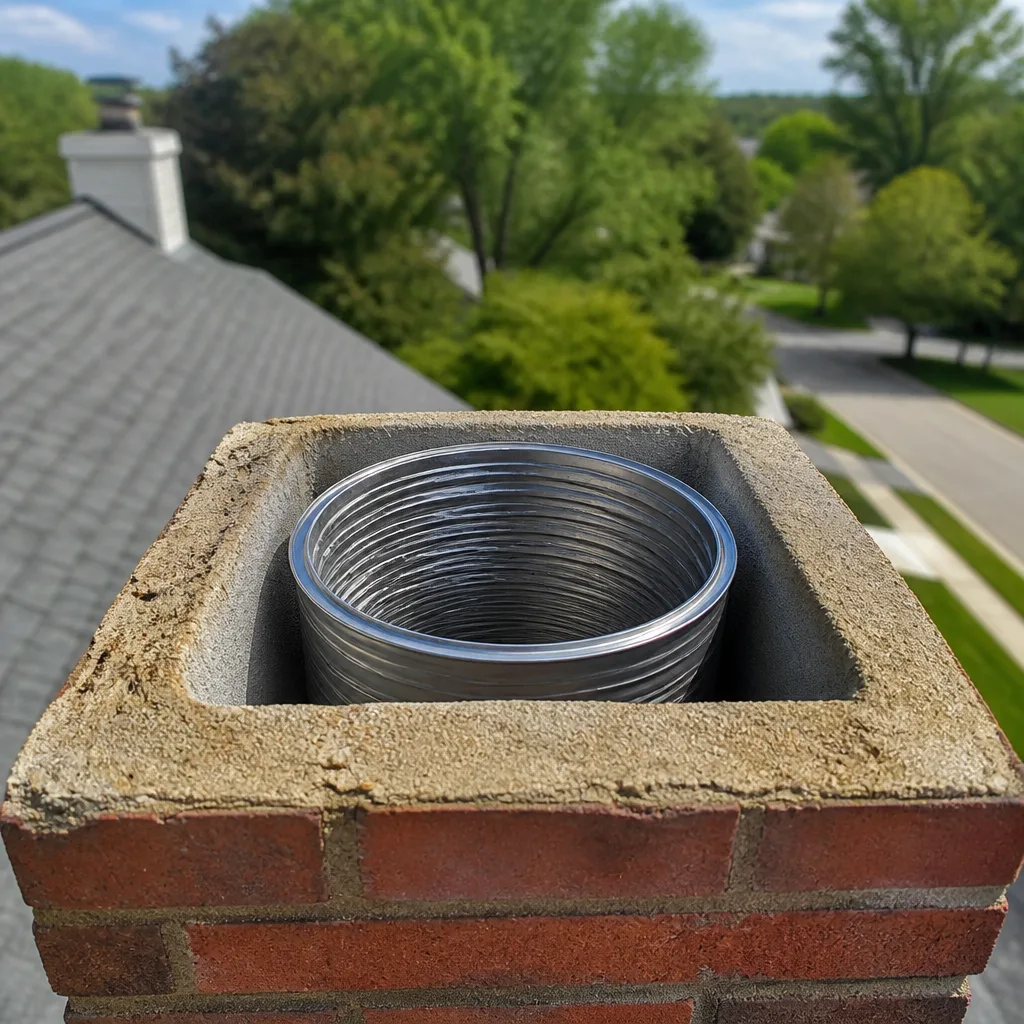 Flue relining
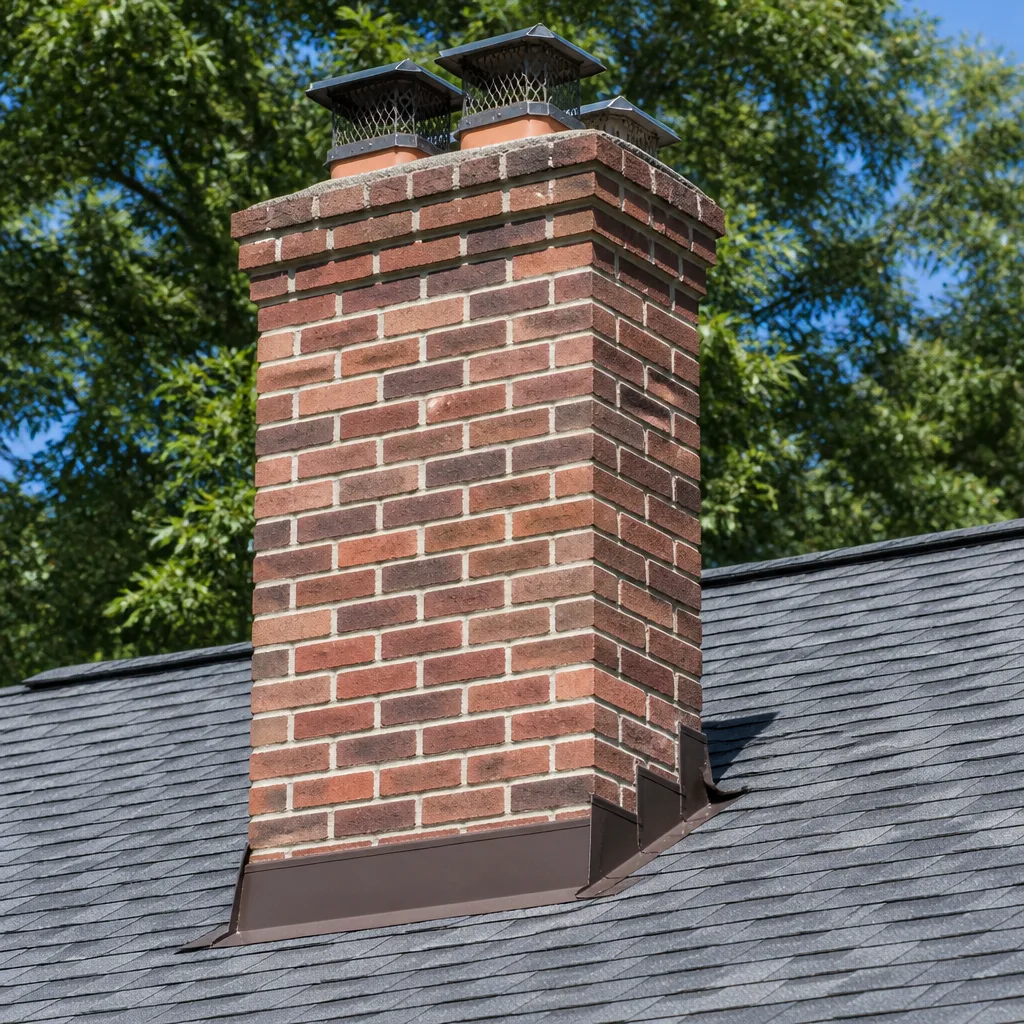 Masonry repair
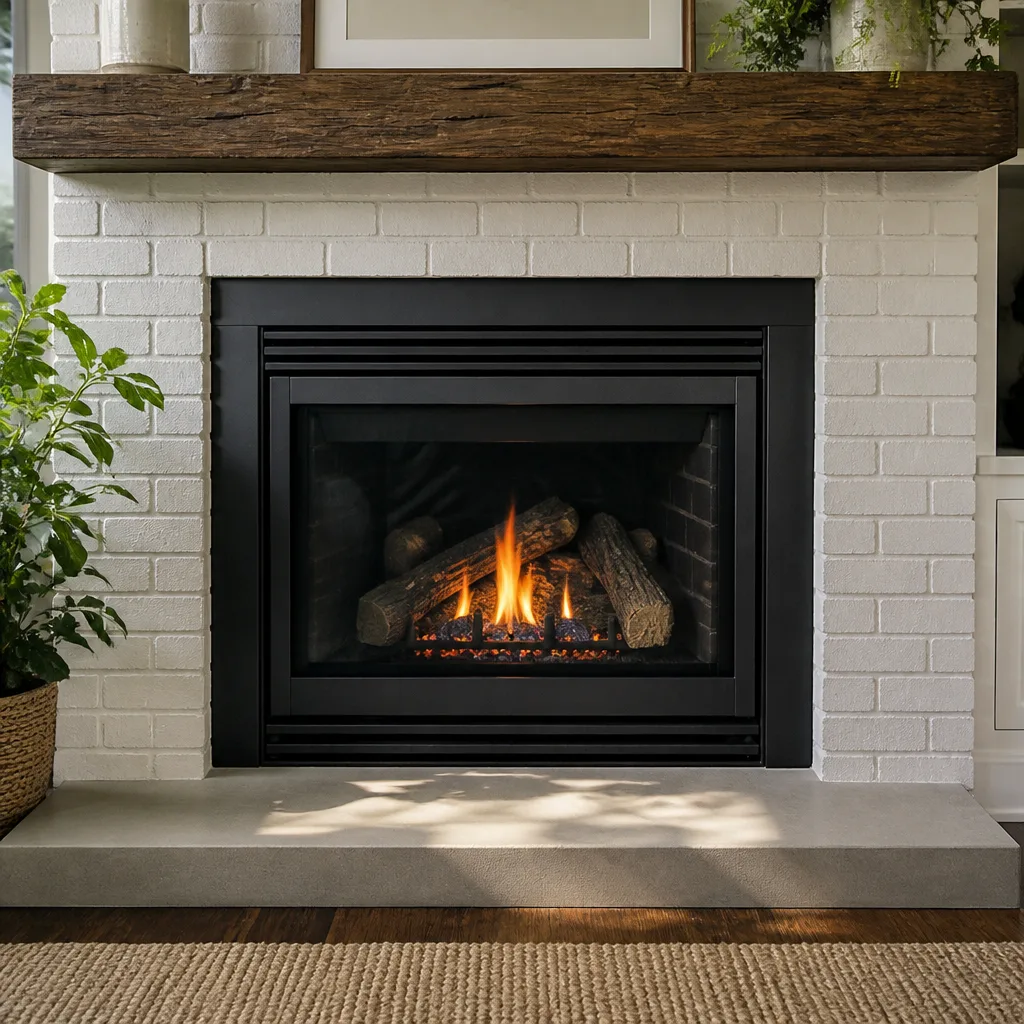 Gas fireplace service
Level 1 sweep and inspection to the NFPA 211 annual standard - flue, crown, cap, and flashing checked and photographed
Chimney sweep logs do not sweep chimneys. They loosen some creosote - which then falls where a brush and vacuum still have to collect it.
Chimney Cleaning Cost Breakdown: The Sunrise Manor Homeowner’s Reference for 2026
A $79 chimney cleaning and a $299 chimney cleaning often start exactly the same way. A technician walks in, lays a drop cloth, climbs the roof or reaches into the firebox, and runs a brush up the flue. The difference shows up in what gets inspected, what gets documented, and what liability the contractor is actually willing to stand behind. That gap isn’t random, and it isn’t pure markup. It reflects real differences in scope, materials, and whether the person on your roof is trained to spot a cracked liner before it becomes a chimney fire. This guide makes those line items visible, so a Sunrise Manor homeowner can look at an estimate and know what they’re paying for before the technician pulls up.
Quick Answer
A standard chimney sweep in Sunrise Manor typically runs $150 to $300 for a masonry fireplace, and $200 to $400 for a prefabricated or insert system. A Level 2 camera inspection usually adds $75 to $150 on top of the sweep. Any liner or masonry repair is quoted separately, and the written estimate you receive sets the final price. Those numbers hold for 2026, and they hold across the east valley market.
Styles & brands we work with
- Sweep & inspection
- Caps & crowns
- Flue relining
- Masonry repair
- Gas fireplace service
Table of Contents
- What actually drives chimney cleaning cost in Sunrise Manor
- What a standard sweep includes versus what’s correctly billed as an add-on
- Level 1, 2, and 3 inspections: what each tier costs and why
- Why prefabricated fireplaces often cost more to clean than masonry
- How creosote stage affects your total service cost
- The real cost of skipping a cleaning
- How to read a Sunrise Manor chimney estimate line by line
- Climate, code, and the desert fireplace
What Actually Drives Chimney Cleaning Cost in Sunrise Manor
Chimney cleaning cost in Sunrise Manor is set by five variables, and only one of them is the brush work itself. Homeowners tend to assume the sweep is the expensive part. In practice, the sweep is the cheapest segment of the invoice.
The five drivers are:
- Appliance type. A masonry fireplace, a wood-burning insert, a prefabricated zero-clearance unit, and a freestanding stove each require a different cleaning approach and different tooling.
- Flue condition. A smooth, intact clay tile flue brushes out quickly. A spalled, offset, or corrugated flue catches creosote and takes longer.
- Creosote stage. Stage 1 (soot and light flake) is routine. Stage 3 (glazed, hardened creosote) requires chemical treatment or rotary tooling and is billed accordingly.
- Access and height. A single-story ranch with a walkable roof and clean flue access is a simpler job than a two-story with a steep pitch and a chimney cap that needs removal.
- Documentation level. A sweep that includes a camera inspection and a written photo report costs more than a sweep that ends with a handshake. That difference is not cosmetic.
In the Sunrise Manor market, most homes fall into established 1960s through 1990s construction, with a mix of original masonry fireplaces and later prefabricated inserts. That mix matters. Older masonry in this part of the valley has had decades of thermal cycling on desert temperature swings, and small hairline cracks in the flue tile are common. A sweep-with-inspection catches them. A sweep without inspection does not. If you want the plain baseline on what a routine visit covers, our chimney sweep page walks through it step by step.
What a Standard Sweep Includes Versus What’s Correctly Billed as an Add-On
A standard sweep should always include the brush cleaning of the flue, the firebox, the smoke chamber mouth, and the damper area, plus a visual check of the firebox and accessible flue. A camera inspection, a crown repair, a cap replacement, and any liner work are correctly billed as separate line items. Knowing which is which is how you tell a fair estimate from an inflated one before service starts.
Here’s the split, laid out plainly.
What a fair sweep estimate includes
- Brushing the full flue from the top down, with drop cloths and containment
- Cleaning the firebox, smoke shelf, and damper
- Removing soot and creosote debris from the firebox floor
- A visual check of the firebox, damper, and accessible flue interior
- Photographs of the flue and firebox if the contractor includes them
What’s correctly billed as an add-on
- Level 2 camera inspection – typically $75 to $150, and worth the line item.
- Chimney cap replacement – a failed or missing cap lets water and animals in, and it’s priced separately because it’s a physical install, not a cleaning task.
- Crown repair – the concrete at the top of the chimney takes direct desert sun and thermal movement. A cracked crown is a repair item.
- Creosote removal beyond Stage 1 – chemical or rotary treatment for glazed creosote, priced according to stage.
- Liner work – quoted after inspection, never during a sweep.
- Dryer vent cleaning – frequently bundled into the same visit as a separate service. If you’ve got a lint-clogged dryer vent in the house anyway, knocking out both in one appointment is the efficient move, and our dryer vent cleaning page explains what that visit covers.
One add-on that raises eyebrows is the camera inspection, and it shouldn’t. Liner condition is the single most consequential thing a chimney inspection surfaces, and it cannot be reliably read from the firebox looking up. A camera inspection is what turns the conversation from opinion into evidence. If a contractor quotes a $150 sweep and then mentions, at the end, that “you probably need a liner,” you were being sold, not inspected. The estimate should walk in the door with the inspection already priced in.
Level 1, 2, and 3 Inspections: What Each Tier Costs and Why
Chimney inspections are tiered, and the tiers are not marketing theater. Each level answers a different question, and each costs more because it uses more equipment and produces more documentation. In the Clark County market, here’s what the tiers typically run and what they cover.
Level 1 inspection – $0 to $100
A Level 1 inspection is a visual check of readily accessible portions of the chimney, with the appliance connected. It’s what should come bundled inside a standard sweep. It answers one question: can this fireplace be safely used as-is? It does not open the flue interior to camera view. It is not enough when a sale, remodel, or change of appliance is involved.
Level 2 inspection – $75 to $150
A Level 2 inspection is the camera work, and it’s the inspection tier most Sunrise Manor homeowners actually need. The technician runs a video camera down the full flue length and documents what it sees with stills or footage. It’s required whenever the appliance or fuel type changes, after a chimney fire or earthquake, and at the point of a property sale. It’s also just good sense on a home that hasn’t had chimney work before. Level 2 is what catches a cracked flue tile, a deteriorated liner, a disconnected flue joint, or a masonry ledge where creosote has been actively accumulating.
Level 3 inspection – $300 and up
A Level 3 inspection is a diagnostic deep-dive that involves removing parts of the chimney or surrounding structure to reach the area of concern. It’s not routine. It’s performed when a Level 1 or Level 2 has already flagged a known problem that cannot be reached with standard tools, or when there’s evidence of a hidden defect. Level 3 is priced per job because what gets opened up is specific to the situation. In our experience, most Level 3 work in this valley involves an inaccessible attic space or a flue concealed inside a chase.
If you’re scheduling a sweep and want the inspection bundled so you’re not paying two trip charges, book them together. That’s the practical advice: pay once, get one visit, get the full picture. If your chimney sits within Sunrise Manor and you’re not sure which tier you’re due, ask on the phone and a technician can tell you based on the appliance type and the age of the system.
Why Prefabricated Fireplaces Often Cost More to Clean Than Masonry
A prefabricated or zero-clearance fireplace is not cheaper to clean than masonry of the same size, and a lot of Sunrise Manor homeowners find that surprising. The prefab unit often costs $50 to $100 more per sweep because the flue is typically a narrower, corrugated, or insulated multi-wall metal liner rather than a smooth clay tile, and because the access panel and interior baffles have to come apart before the brush can run the full length.
There are three reasons prefab units cost more to clean correctly:
- Narrow flue, faster buildup. Prefab flues run smaller in diameter than masonry, so creosote accumulates at a faster rate for the same burn volume. That means a prefab in Sunrise Manor may need sweeping sooner in the season than a masonry fireplace next door.
- Corrugated interior. The metal liner has seams, joints, and surface texture that catch soot and glazed creosote. Cleaning it thoroughly takes rotary tooling in cases where a smooth clay flue would have brushed out fine.
- Manufacturer-specific flue geometry. Each prefab system has a specific flue and cap design, and the cleaning approach has to match the manufacturer’s specification. A generic brush thrown up the flue of a factory-built unit is not the same job as doing it right.
The cost of getting it wrong on a prefab is higher, too. There’s no clay tile to absorb thermal shock. A warped or disconnected metal liner is a genuine safety issue and there’s no partial fix. The repair path is relining, and that’s a different invoice entirely. When a flexible liner is the right answer, we install DuraFlex systems because they meet the spec of the original manufacturer and bring an aging chimney back to code-compliant performance. That’s the professional-grade route. A hardware-store flex pipe is not.
How Creosote Stage Affects Your Total Service Cost
Creosote is the tar-like residue deposited by burning wood, and it comes in three stages. A Stage 1 sweep is routine. A Stage 3 removal is not, and homeowners who’ve never seen the difference are often shocked by the jump in price. That jump is real and it’s unavoidable at Stage 3.
Stage 1 – light soot and flake
Stage 1 creosote is the powder and light flake that brushes off with normal brushing. It’s what a routinely cleaned flue looks like. A Stage 1 sweep is what the $150 to $300 baseline covers. If you burn dry, well-seasoned hardwood and sweep annually, you’re likely to stay at Stage 1.
Stage 2 – hardened flake and tar deposits
Stage 2 is harder, denser, and can’t be removed with a standard brush. It requires rotary tooling and sometimes a chemical treatment to soften the deposit before removal. A Stage 2 job in Sunrise Manor typically adds $75 to $150 to the sweep, and it’s tied to how the homeowner has been burning. Unseasoned wood, frequent low smolder burns, and a poorly drafting flue push creosote to Stage 2 more quickly.
Stage 3 – glazed, hardened creosote
Stage 3 is the dangerous one. It’s a hard, shiny, tar-like layer that fuses to the flue surface and is highly combustible. Stage 3 removal is a multi-step job and typically adds $150 to $400 or more, depending on flue length and deposit thickness. Some contractors won’t touch it because the chemical treatment and rotary tooling are specialized. That’s the point at which a trained technician with the right tools and a real camera report matters most.
What a technician should show you to justify the scope: photographs of the flue interior at multiple depths, a clear explanation of what stage the deposit is at, and a written treatment plan. If any of those are missing, the price is not grounded. Our Paragon Chimney Sweep team takes photos at each depth as standard and includes them in the written report, because a homeowner has no business making a liner decision on trust alone.
The Real Cost of Skipping a Cleaning
The single missed annual service is the most expensive chimney decision a homeowner can make. A $200 sweep deferred for a couple of seasons can turn into a $1,500 to $4,000 liner project, and a Stage 3 creosote chimney is one hot ember away from a house fire. That’s the honest math, and it’s not scare-selling. It’s what we see on the repair side of the trade, and it’s why we tell people to sweep before the burning season starts.
Here’s how the deferral cost breaks down, roughly, in the Sunrise Manor market:
- Sweep deferred one season. Creosote moves from Stage 1 toward Stage 2. The sweep bill rises by $75 to $150 and no structural damage occurs yet. That’s the cheapest mistake you’ll ever make.
- Sweep deferred two seasons. Creosote reaches Stage 2 to Stage 3. Removal cost climbs $150 to $400, and the underlying flue tile begins to spall from repeated thermal cycling. Cracked tile is a real risk at this point.
- Sweep deferred three or more seasons. Stage 3 glazed creosote is the norm, chimney fire risk is elevated, and a hidden crack in the flue tile becomes a carbon monoxide pathway into the home. This is where relining moves from “eventually” to “now.”
When a liner needs replacing, the cost isn’t a few hundred dollars. A full reline runs in the $1,500 to $4,000 range depending on flue length and system type, and a partial reconstruction or masonry repair runs higher. That’s the invoice you’re avoiding when you sweep annually.
The other side of the ledger is carbon monoxide. A cracked or disconnected flue can let combustion gases back into the living space. CO has no smell and no color, and a chimney that seems to be working can still be leaking it. Annual sweeping and inspection is the preventive measure that keeps this from becoming an emergency call.
How to Read a Sunrise Manor Chimney Estimate Line by Line
A fair estimate should be readable in five minutes. If it isn’t, that’s information. A Sunrise Manor homeowner should be able to see every line item, the scope each covers, and the price, before booking. Here’s the check, in order.
- Is the sweep priced separately from the inspection? A bundled sweep-plus-inspection line is fine, as long as both are spelled out. A sweep-only price followed by a surprise inspection fee at the door is not.
- Is the inspection tier named? Level 1, 2, or 3. If the estimate just says “chimney inspection,” ask which level, and get the answer in writing.
- Are creosote treatment and standard brushing separate? They should be. Stage 1 removal is part of the sweep; Stage 2 and 3 removal is a priced add-on.
- Are the brands on the repair line named? If a reline or restoration is quoted, the materials should be named, not described vaguely as “high-quality.” We source from a professional portfolio that includes DuraFlex and HeatShield because those products are built for the job and meet the spec that certified specialists work from. A quote that says “quality liner” tells you nothing.
- Are the photographs included? Insist on the photo report. No camera, no repair recommendation. That’s the standard we hold ourselves to.
One more thing to weigh: capability. Some sweep companies can clean a chimney but can’t repair it, so the repair becomes a separate contractor, a second visit, and a handoff where accountability drops. We handle chimney sweeping, chimney repair, and dryer vent cleaning under one roof, and the technicians who diagnose are the technicians who repair. That’s not a marketing line; it’s the reason the estimate and the work stay consistent.
Climate, Code, and the Desert Fireplace in Sunrise Manor
The Sunrise Manor climate creates a specific chimney maintenance pattern that doesn’t apply in wetter parts of the country. The dry air and rapid temperature swings push masonry through a thermal cycle most days of the year: warm afternoon, cold overnight. That cycle is hard on the crown and the flue tile joints, and it’s why crown cracks and hairline tile fractures are normal findings on older homes here, not signs of neglect.
Three local factors affect both the cost and the timeline:
- Burning season is short and concentrated. Most Sunrise Manor homeowners burn from late fall through early spring. That means creosote accumulates over a shorter window than in colder climates, but the buildup per burn can be heavier because the fireplace gets more use per cold day.
- Dust and debris load. Desert dust settles into an open chimney and mixes with creosote to form a denser deposit. A chimney cap prevents most of it, and a missing cap is the single most common thing we find on a first visit.
- Masonry expansion in summer heat. The crown takes direct sun and thermal expansion through the summer. Cracks that open up in August are still open when the burning season starts. That’s why we recommend a pre-season visit, not a mid-winter one.
If you’re new to the neighborhood, a good starting point is understanding the place itself. The Sunrise Manor community page covers the local housing mix, and it helps explain why so many homes here have a masonry fireplace that’s older than the roof.
On code: local jurisdictions set their own requirements for liner materials and clearances, and those requirements change. We don’t quote code section numbers or permit rules we haven’t verified for a specific address. If your project involves relining or structural work, ask the contractor to confirm what your jurisdiction requires and get the confirmation in writing. That’s the responsible approach, and it’s the one we take.
Common Mistakes to Avoid
- Booking the cheapest sweep and stopping there. A $79 sweep is cheap because it’s usually a brush down the flue with no inspection and no documentation. You don’t know what’s in your flue afterward, and that’s the point to pay attention to.
- Ignoring a Stage 3 creosote report. If a technician shows you glazed creosote and you defer the removal, the risk compounds with every burn. Stage 3 doesn’t go away on its own, and it’s the stage most associated with chimney fires.
- Assuming a prefab fireplace is maintenance-free. Factory-built units have shorter service intervals than masonry because the flue is narrower and the buildup faster. A prefab in Sunrise Manor likely needs sweeping annually, sometimes more often with heavy use.
- Skipping the camera inspection on an older home. A home that’s been through decades of desert thermal cycling has had time to develop tile cracks. Level 2 inspection is what surfaces them.
- Letting a sweep company talk you into a liner without showing you the flue. If a liner is recommended and no camera footage or photo appears, ask for it before you sign. A real repair recommendation can be shown. A sales pitch can’t.
- Ignoring the dryer vent while the chimney technician is already in the house. Lint-clogged dryer vents are one of the leading causes of residential house fires, and having both services done in one visit is the practical move. It’s a separate service and a separate line item, but it’s the same visit.
- Sweeping mid-winter instead of before the season. A pre-season sweep gives you the full burning season on a clean flue. A mid-winter sweep means you burned on top of accumulation for weeks.
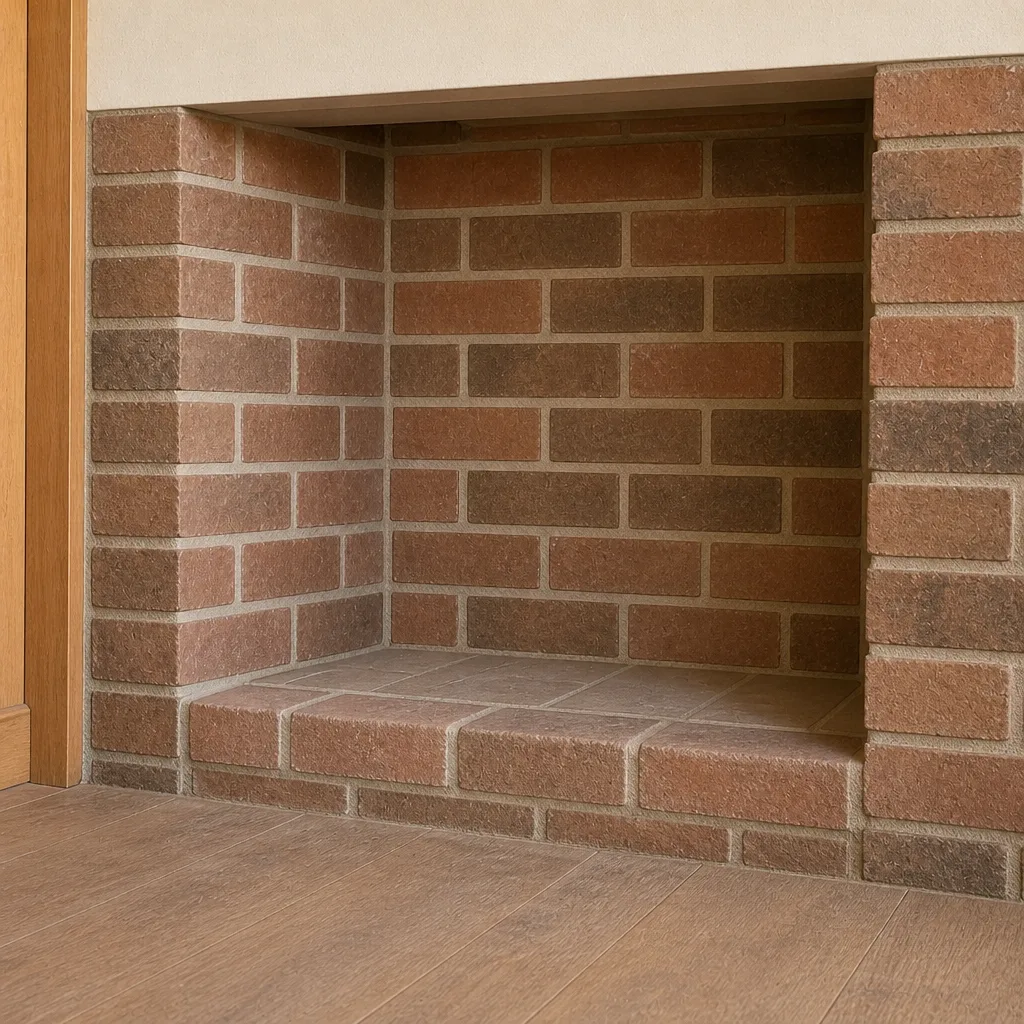
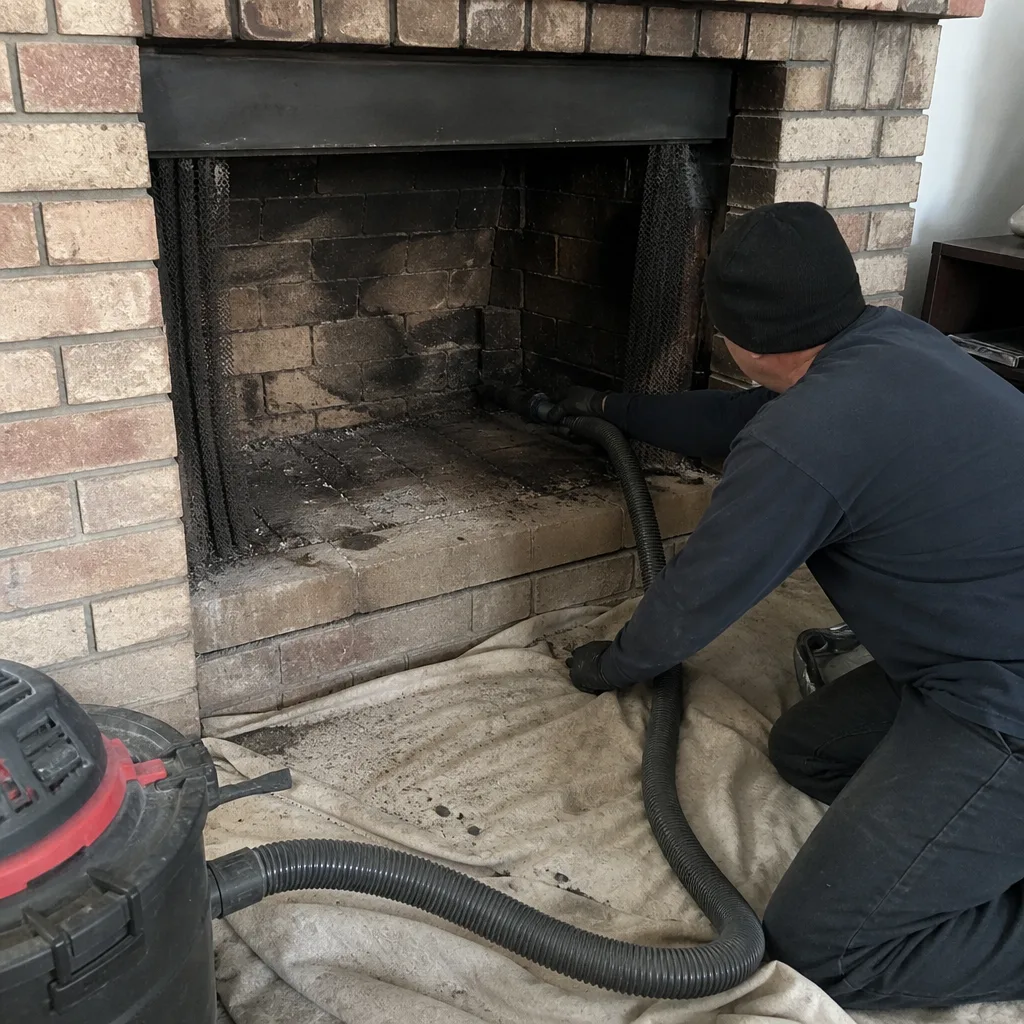
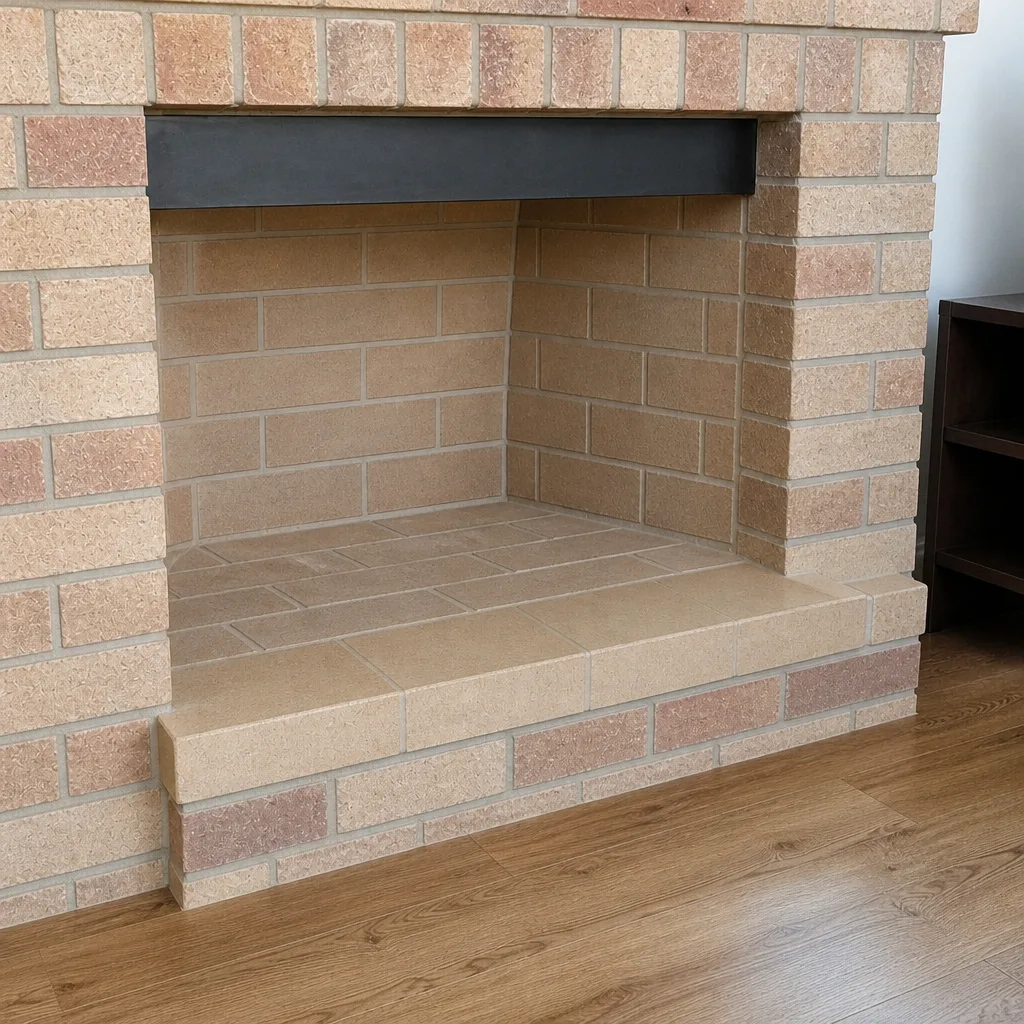
See the difference
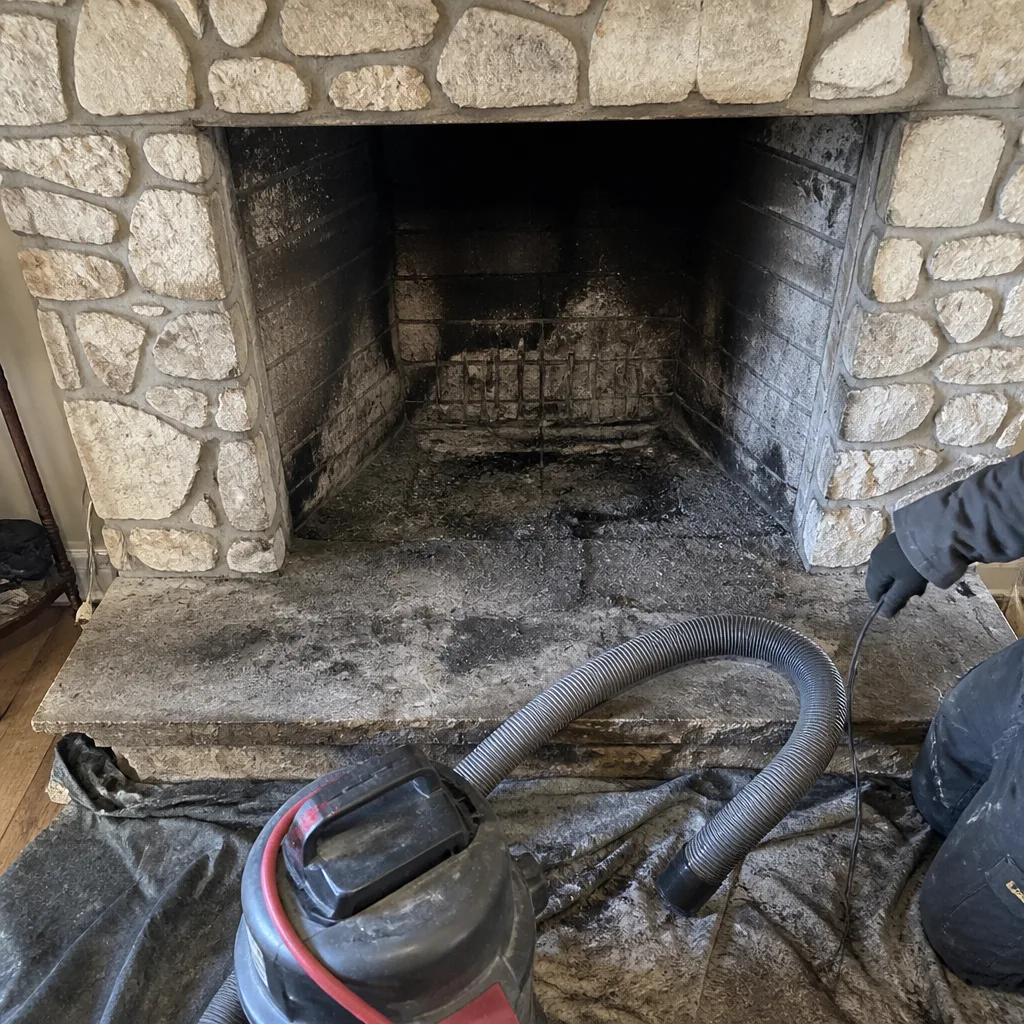 Before
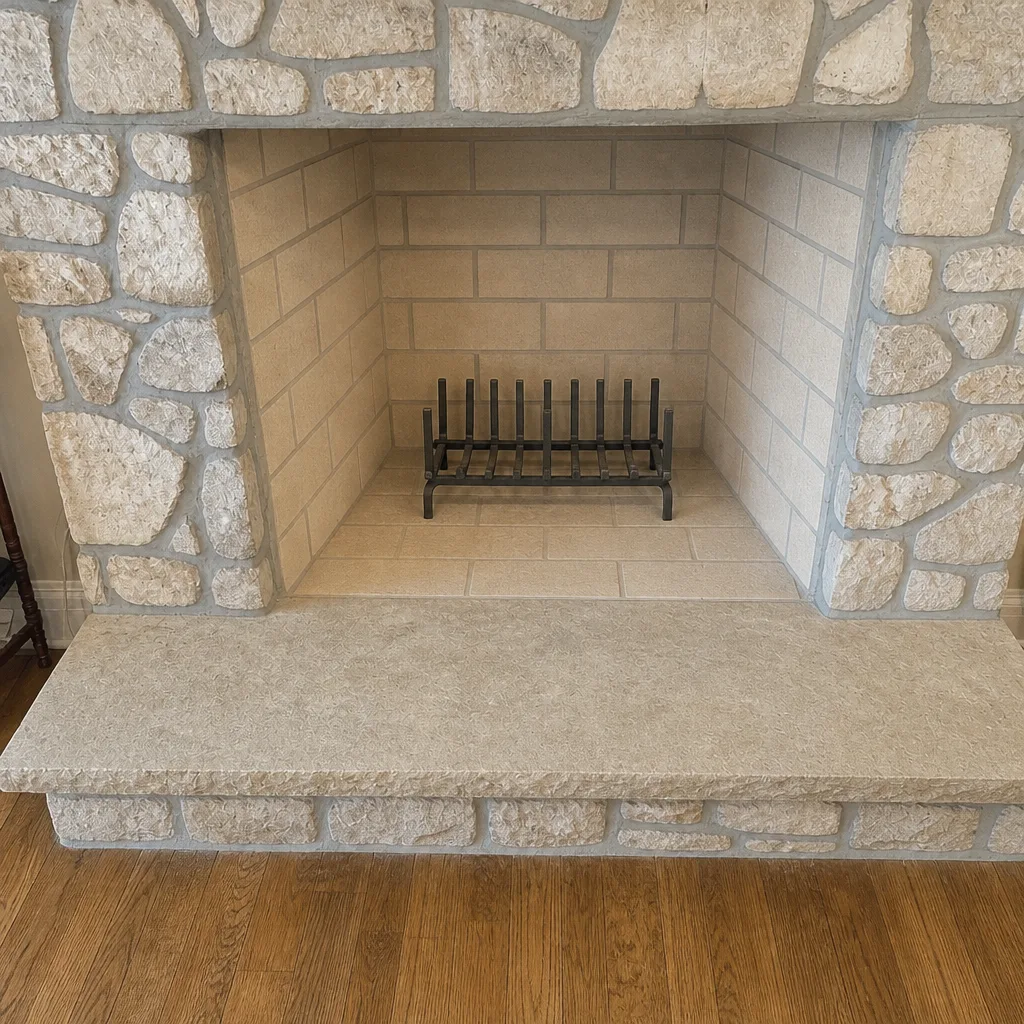 After
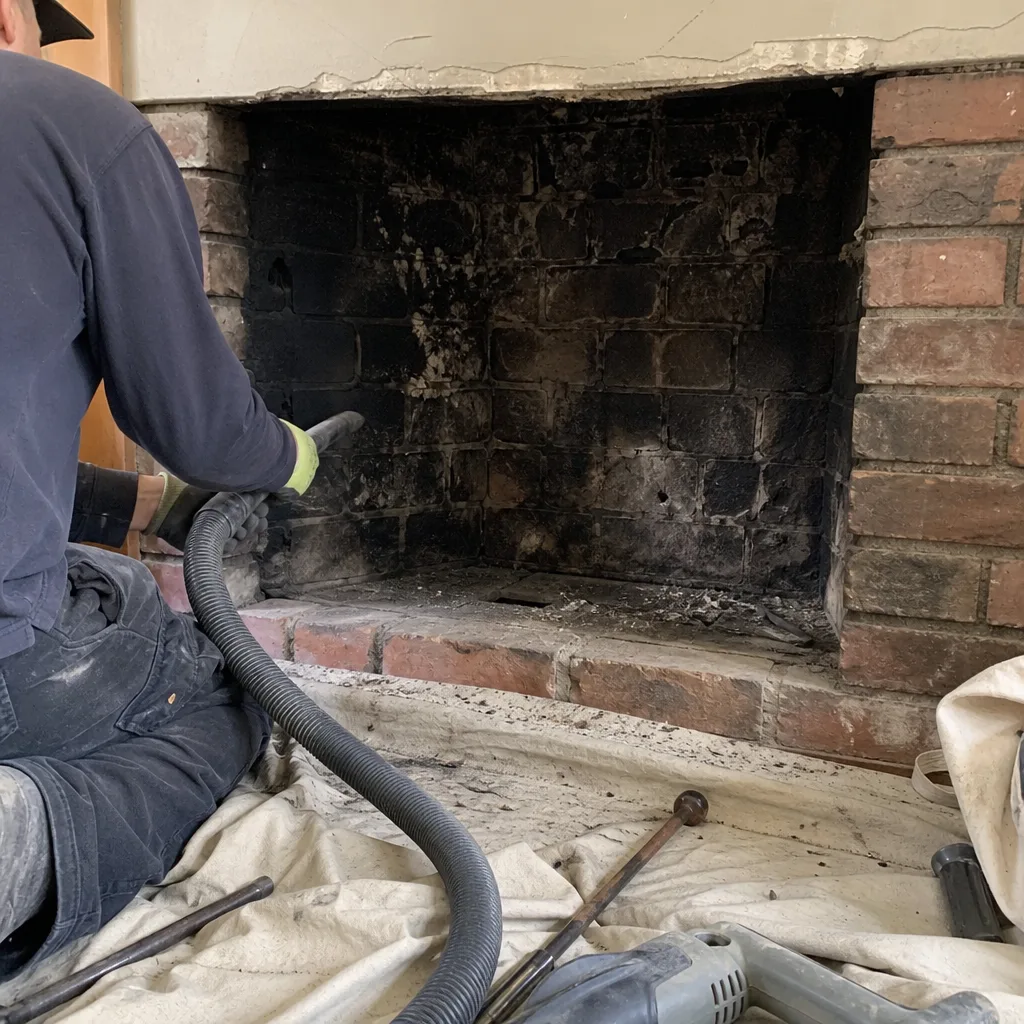 Before
 After
 Before
 After
When to Call a Professional
Call a professional before you burn again if any of the following applies: you’ve never had the chimney swept since you moved into the house; you’ve had a chimney fire, even a small one, or heard a rumbling sound from the flue; you’ve noticed smoke backing into the room, a strong creosote smell, or a draft that’s gotten weaker; your chimney cap is missing, damaged, or sitting crooked; you’re switching to a wood insert or a new appliance; or you’re buying or selling a Sunrise Manor home and the chimney hasn’t been inspected. Any of those situations is a callback waiting to happen, and any of them is reason to book an inspection before burning season.
Paragon Chimney Sweep offers free estimates in Sunrise Manor. Call (833) 486-5098. We answer 24/7, and fast dispatch runs 7am to 7pm, Sunday through Friday. The estimate will show every line item, name the materials, and include the photo report whenever an inspection is part of the visit.
Frequently Asked Questions
A standard chimney sweep in Sunrise Manor typically runs $150 to $300 for a masonry fireplace and $200 to $400 for a prefabricated or insert system, plus $75 to $150 if a Level 2 camera inspection is added. The written estimate sets the final price. Call (833) 486-5098 for an exact quote – estimates are free.
Only if the inspection shows a genuine failure: cracked or spalled liner, disconnected joints, or a flue that can’t handle the appliance it’s serving. A camera inspection is what tells you which situation you’re in, and any recommendation should come with photos you can see. If the liner is intact, it doesn’t need replacing, and we’ll say so. Call (833) 486-5098 for a free estimate before deciding.
Once a year is the standard for a wood-burning fireplace, and prefab units sometimes need it more often because the narrower flue builds creosote faster. The right timing is before the burning season starts, not after. If you’ve skipped a year or two, don’t wait for a third. Call (833) 486-5098 for an inspection – the estimate is free.
Creosote builds through three stages, and the cost of removal climbs sharply at each one: a Stage 1 sweep is $150 to $300, a Stage 3 removal adds $150 to $400 or more, and a liner that fails as a result of deferred maintenance runs $1,500 to $4,000 to replace. A skipped year also raises carbon monoxide risk if a flue tile cracks. Call (833) 486-5098 for a free estimate before it becomes a repair.
Prefab flues are typically narrower and corrugated, so creosote accumulates faster and cleaning takes longer, usually $50 to $100 more per sweep in this market. The access panels and interior baffles also come apart before the brush can run the full length. If you’re not sure what kind of flue you have, a technician can tell you on the first visit – call (833) 486-5098 for a free estimate.
Yes. Chimney sweeping, chimney repair, and dryer vent cleaning are all handled under one roof, so both services can be scheduled in a single visit. That saves a second trip and, more importantly, means the same technicians verify both venting systems while they’re in the house. Call (833) 486-5098 for a free estimate on a combined visit.
The Bottom Line
Chimney cleaning cost in Sunrise Manor ranges from a routine $150 to $300 masonry sweep up to a multi-thousand-dollar relining project, and the gap between the low end and the high end is almost never a difference in labor cost. It’s a difference in scope, documentation, and whether the technician can repair what they find. A sweep without an inspection is cheap because it stops before the point where the useful information starts. A sweep with a camera report costs more because it tells you the state of your actual flue.
In our experience, the homeowners who spend the least over a decade of ownership are the ones who sweep annually, inspect on schedule, and act on the small findings before they become structural. The homeowners who spend the most are the ones who saved $100 on a sweep and paid $2,500 on a liner two years later.
The written estimate sets the final price. The photo report is included. You see what we see before you agree to anything, and you’ll know which work can safely wait.
Contact
Ready to get a real number for your chimney? Call Paragon Chimney Sweep at (833) 486-5098 for a free estimate. We answer 24/7, and fast dispatch runs 7am to 7pm, Sunday through Friday. Have your appliance type and the last time the chimney was cleaned available when you call, and we can tell you which inspection tier your home is due before anyone gets on the roof.
Written by the team at Paragon Chimney Sweep.