
Last updated November 15, 2026
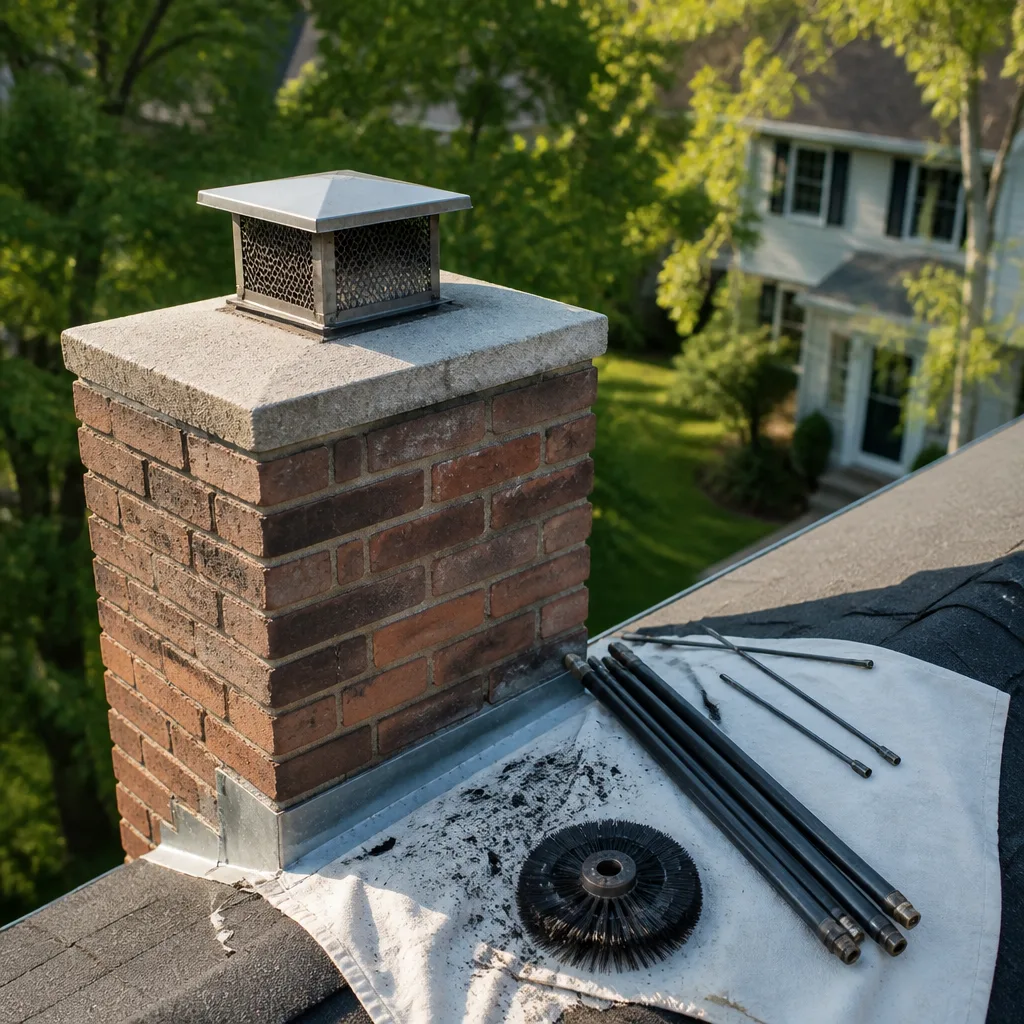 Sweep & inspection
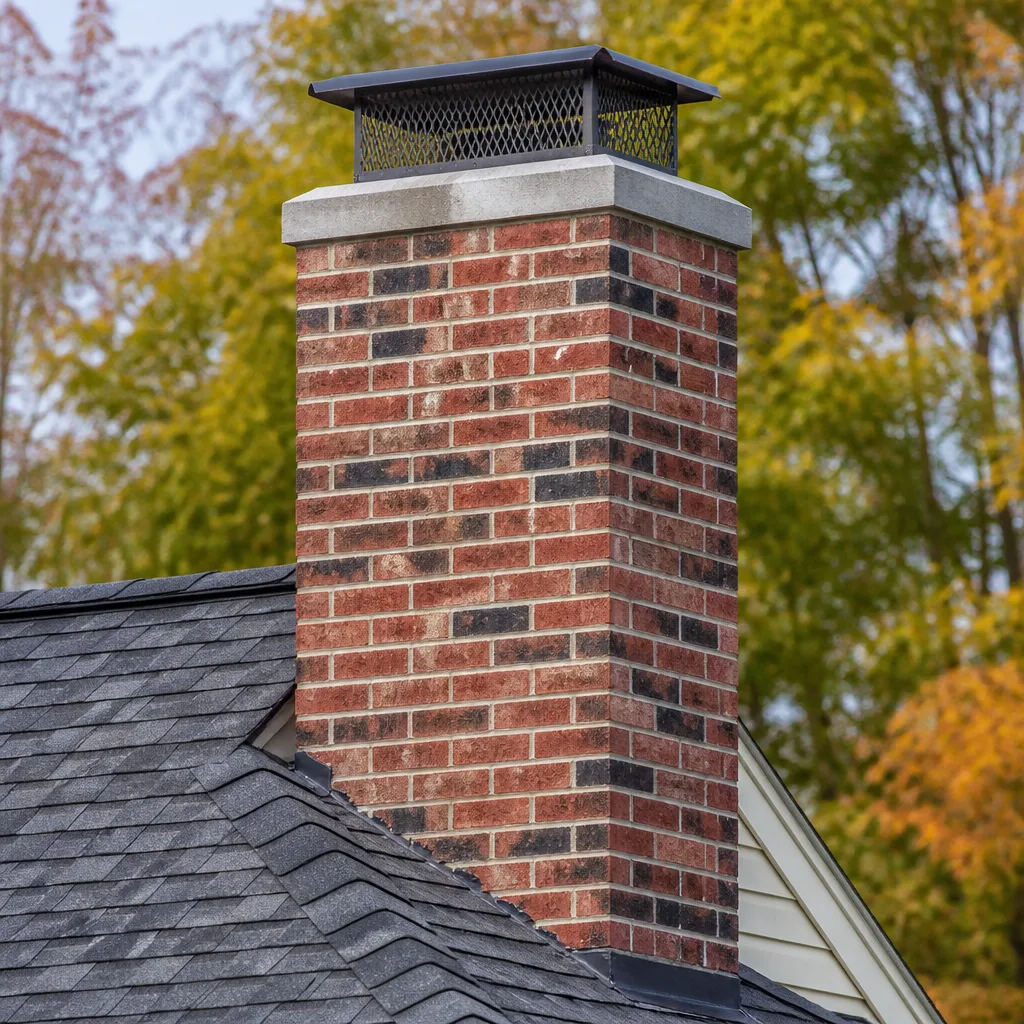 Caps & crowns
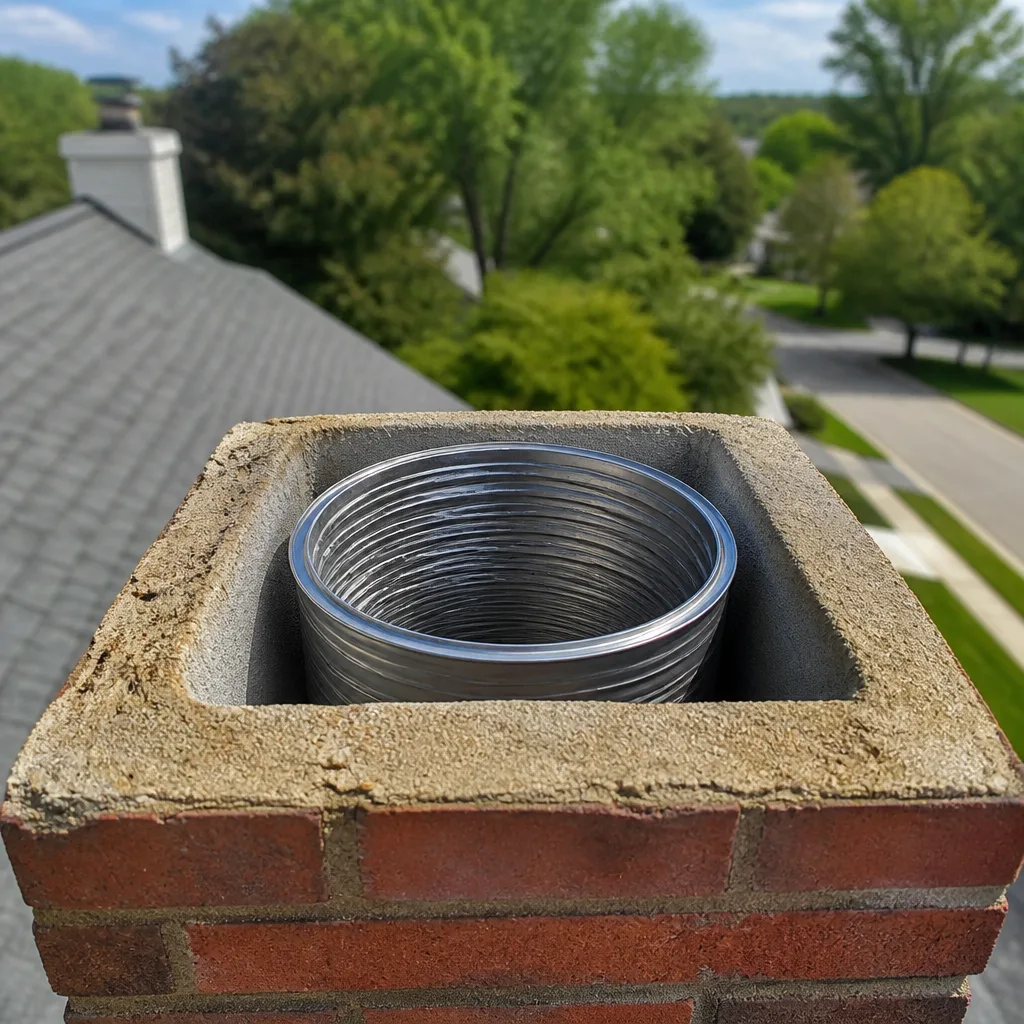 Flue relining
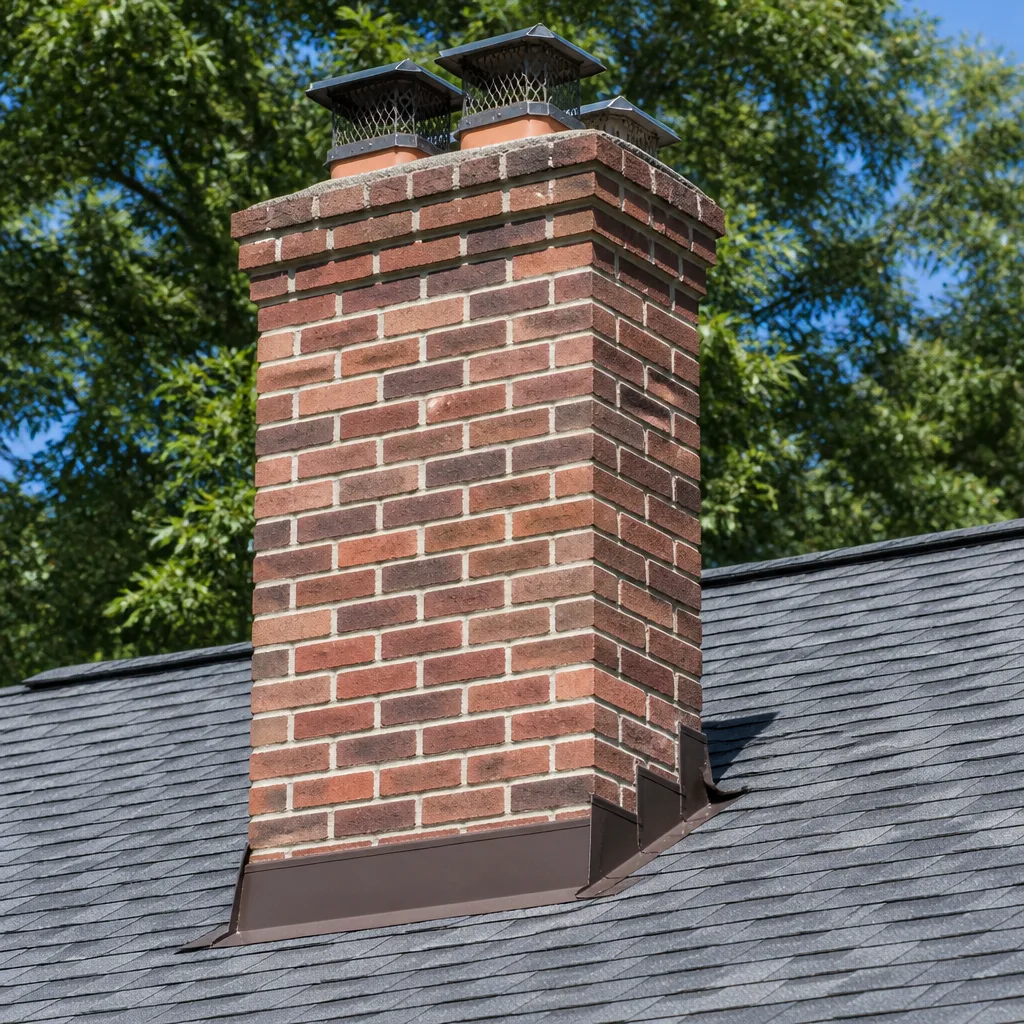 Masonry repair
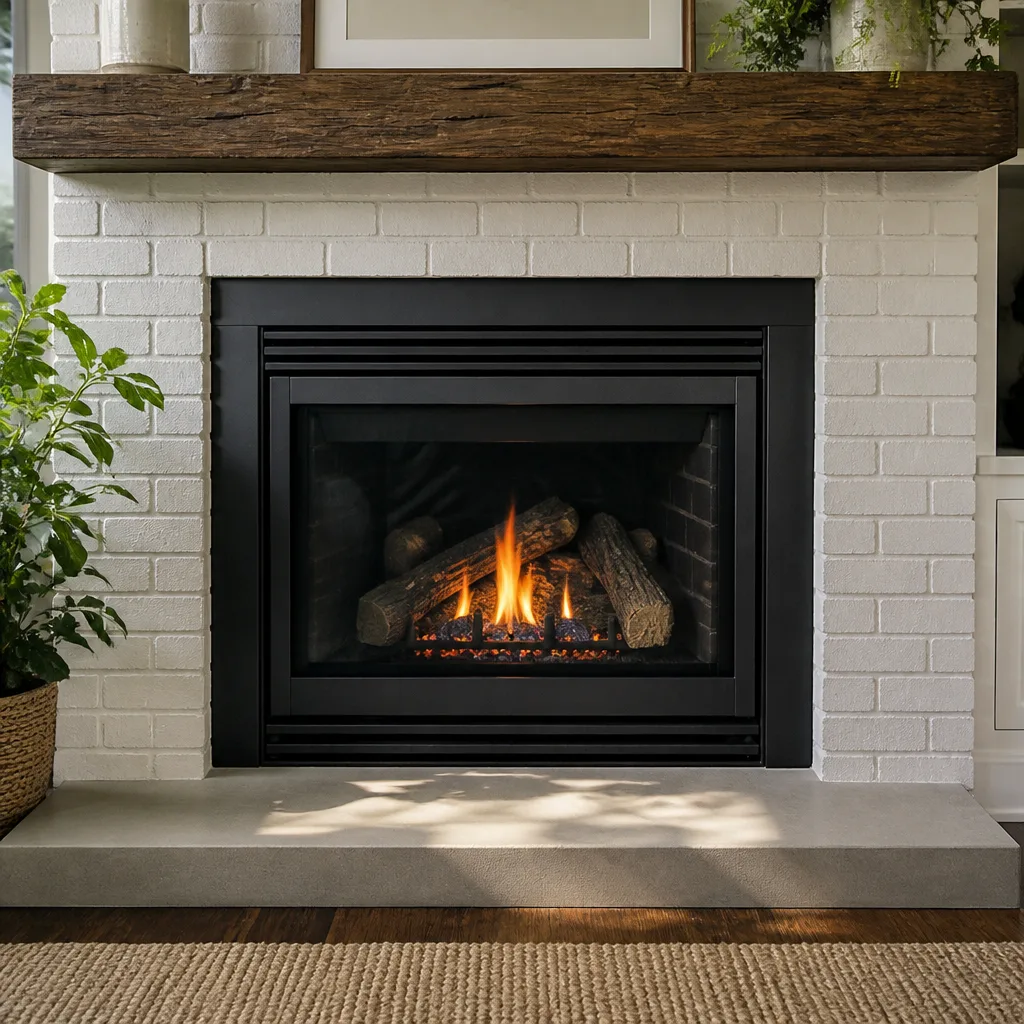 Gas fireplace service
Level 1 sweep and inspection to the NFPA 211 annual standard - flue, crown, cap, and flashing checked and photographed
Chimney sweep logs do not sweep chimneys. They loosen some creosote - which then falls where a brush and vacuum still have to collect it.
Chimney Sweep Maintenance Schedule: What to Do and When
Every homeowner with a fireplace hears the same advice: sweep once a year. That single date is a commodity recommendation, and it protects some chimneys while leaving others to accumulate creosote that a once-a-year visit can’t keep up with. A homeowner who burns fifteen cords of wood in a season and one who lights five fires between November and February both get told “once a year.” Two very different chimneys. Two very different risks. What actually matters is how often you burn, what you burn, and how your system is built. This guide lays out a tiered schedule for Sunrise Manor homes, and it covers what to check yourself and what to leave to a trained technician.
Quick Answer
Chimneys should be inspected once a year and swept whenever the inspection finds a quarter-inch or more of creosote buildup, or about every cord of wood burned. Light users (under 20 fires a season) may go a full year between sweeps, while heavy burners often need two. In Sunrise Manor, the short, intense burn season and dry summer air create a specific pattern that a fixed annual date doesn’t account for.
Styles & brands we work with
- Sweep & inspection
- Caps & crowns
- Flue relining
- Masonry repair
- Gas fireplace service
Table of Contents
- How Often Should You Clean a Chimney? A Frequency Matrix
- Why “Once a Year” Is Too Simple
- Sunrise Manor’s Seasonal Pattern and Your Chimney
- What the Annual Inspection Actually Covers
- What You Can Check Yourself Between Visits
- Pre-Season and Post-Season Checklist for Gas Inserts
- Dryer Vent Cleaning: A Separate Schedule
- Signs You Shouldn’t Wait for the Calendar
How Often Should You Clean a Chimney? A Frequency Matrix
There’s no single right answer. The widely used benchmark is a quarter inch of creosote in the flue, and heavy use produces that far faster than light use. The matrix below breaks out typical intervals by burn frequency and fuel. It’s a starting point, not a replacement for the inspection that confirms where your chimney actually stands.
Frequency Matrix by Use Level
- Light use (under 20 fires per season): Annual inspection; sweep usually every 12 months if buildup stays below a quarter inch. An occasional user can sometimes go slightly longer, but the inspection should still happen every year.
- Moderate use (roughly 20 to 60 fires per season, or 1 to 2 cords): Annual inspection with a sweep once per season, timed just before heavy use begins. Check for buildup again mid-season if the flue shows early deposits.
- Heavy use (60 or more fires, or 3 or more cords): Inspect at the start of the season and again partway through; sweep twice a season in many cases, more with unseasoned wood or a smoldering burn style.
- Wood is the biggest variable: Seasoned, dry hardwood produces far less creosote than green or soft wood. The same number of fires on wet wood can double the cleaning frequency.
- Gas inserts: No creosote issue, but annual inspection is still required for the venting and the insert itself. See the checklist below.
If you’re not sure which bucket you fall into, count your cords for one season. It’s the single most useful number you can track, and it turns the “once a year” rule into a schedule you can actually plan around. When in doubt, a chimney sweep visit that includes a documented inspection will tell you exactly where you stand.
Why “Once a Year” Is Too Simple
The once-a-year rule comes from a reasonable place: annual inspection catches most problems before they become dangerous. But the rule confuses two different jobs. Inspection is the annual task. Sweeping depends entirely on how much creosote has built up. A chimney can be inspected once a year and still need sweeping twice, or it can be inspected once a year and swept only every other visit because the homeowner lights four fires a winter.
The danger lands on the wrong end of that spread. Light users over-maintain and don’t mind. Heavy users under-maintain, and that’s where creosote accumulates to a point that’s genuinely hazardous. Creosote is the residue left behind when wood smoke cools in the flue. It comes in forms, and the harder, glazed stage ignites readily. A chimney fire can burn hot enough to crack the flue liner or reach the roof structure, and there’s no reliable warning before it starts. Carbon monoxide is the other quiet risk: a blocked or damaged flue can send exhaust back into the living space.
So the real advice is a two-part schedule. Inspection is annual, no exceptions. Sweeping is driven by measured buildup, fuel type, and burn frequency. That’s the difference between a recommendation built for the average home and one built for yours. We’ve seen both ends of the spread in Sunrise Manor, and the heavy burners are always the ones at the most risk.
Sunrise Manor’s Seasonal Pattern and Your Chimney
The desert climate around Sunrise Manor changes the timing in a way that a generic once-a-year guide misses entirely. The burn season here is short and concentrated. Cooler months pull a lot of fireplace use into a small window of weeks, which means creosote builds fast and in tight, dense layers. In a cold, spread-out season, deposits have more time between fires to cool and set gradually. Here they pile up quickly during the peak, and the flue gets slammed before anyone thinks to check it.
Then the season ends and the second half of the problem begins. Summer in Sunrise Manor is hot and dry, and the wide temperature and humidity swings of the warmer months do two things to creosote. Hot afternoon air pulls moisture out of the masonry and the deposit layer at the surface, then cooler nights and occasional humid stretches push moisture back in. Over a summer, creosote can absorb and release moisture repeatedly, drying into a harder, more brittle form that adheres to the flue wall and cracks in place. By the time the next season starts, a thin-looking deposit has become a stubborn, glazed layer that’s much harder to sweep and far easier to ignite.
That’s why we time most schedules in Sunrise Manor around the start of the season, before the first cold snap, and why an end-of-season inspection has real value. A post-season check catches the state of the flue while the deposits are still fresh, so cleaning is more effective and the summer absorption cycle starts from a clean surface. It also gives a homeowner the whole summer to schedule any liner repair before the season starts.
Housing stock matters too. Older, established properties in Sunrise Manor often have original masonry flues with older clay liners, sometimes with years of undisturbed buildup, and those chimneys need a closer look than a newer prefabricated system. If you’re unsure what your flue looks like inside, camera inspection is the only honest way to know. You can read more about the local area on our Sunrise Manor page.
What the Annual Inspection Actually Covers
An annual inspection is not a sweep with a flashlight afterward. It’s a structured assessment of the whole venting system, and it’s the part of the schedule that catches problems before they cause a fire or a carbon monoxide issue. Here’s what a thorough inspection should include:
- Flue condition and liner integrity. The liner is checked for cracks, gaps, spalling, and misaligned joints. A damaged clay liner lets heat and exhaust reach the surrounding structure, which is a serious safety problem and the reason liner repair is a common finding.
- Creosote measurement. Buildup is assessed and its thickness stated, so the sweep frequency can be set on real numbers rather than guesswork.
- Smoke chamber parging. The smoke chamber, the transition zone above the damper, is a hotspot for corrugated buildup and turbulence. Deteriorated parging there is a common finding and can be restored with a HeatShield application rather than torn out and rebuilt.
- Damper seating and operation. The damper must open fully and close cleanly. A damper that won’t seat properly lets heated air and conditioned air escape all year and changes how the fire burns.
- Crown and cap condition. The crown is the concrete top of the chimney. Cracks there let water in, and the cap keeps rain, animals, and debris out. In a place with wide seasonal swings, a cracked crown is an invitation for water intrusion and freeze-related damage.
- Firebox and flashing. The firebox, the face, and the flashing where the chimney meets the roofline all get checked. So does the draft, which tells you whether the system vents as it should.
You should come away from an inspection with a written report and, where useful, camera images. If a repair is recommended, you should be able to see the evidence for it. That’s the standard we hold to: nothing gets replaced or restored without visual proof. When a liner is deteriorating but not catastrophic, HeatShield resurfacing can restore it without full demolition, which is the honest middle path many homeowners never hear about. When the liner is beyond resurfacing, a DuraFlex flexible liner system brings the chimney back to code-compliant performance. That’s the full-scope capability of a professional Paragon Chimney Sweep operation: diagnose, document, and repair.
What You Can Check Yourself Between Visits
Some of the maintenance schedule belongs in your hands. These are visual checks you can safely do between professional visits. None of them involve reaching into the flue, opening the firebox beyond the damper, or climbing the roof.
- Creosote buildup at the flue opening. With the firebox cleaned out and the damper closed, look up at the visible flue with a flashlight. Thick, crusty, or glazed deposits in the first stretch are a sign to call for a sweep, not to try scraping them loose.
- Damper operation. Open and close it a few times. It should move freely and seat flush. A sticky damper is worth mentioning when you call.
- Smoke and draft behavior. If smoke rolls back into the room on a normal fire, or the fire struggles to draw, the flue or the pressure balance has a problem. That’s a call, not a workaround.
- Water signs. Look for damp patches, white staining (efflorescence), rust on the firebox components, or a musty smell near the chimney. Water intrusion is a maintenance issue that gets worse with time.
- Crown and cap from the ground. With binoculars from the yard, check for visible cracks in the crown, loose bricks, or a missing cap. Don’t climb the roof to investigate. That’s exactly the kind of height work that belongs to a trained technician.
- Carbon monoxide detector. Keep a working CO alarm on each level of the home and test it according to the manufacturer’s instructions. This is a low-effort check that matters regardless of the chimney’s condition.
What you should not do: sweep the flue yourself, try to chip glazed creosote off the liner, or take a pressure washer to the firebox. The flue liner is a safety surface, and damaging it is worse than leaving it dirty. Roof work on a two-story chimney is genuinely dangerous, and it’s a job for a professional.
Pre-Season and Post-Season Checklist for Gas Inserts
Gas inserts run a different schedule than wood-burning systems. There’s no creosote to worry about, but there’s a venting system that still needs annual attention, and the maintenance triggers are different. Gas inserts vent either through the roof or out the wall, and that venting can be obstructed or damaged without anyone noticing. Annual inspection is the standard for both configurations.
Pre-Season Checklist for Gas Inserts
- Inspect the vent terminal and venting. Look outside at where the vent exits. A bird nest, insect nest, or debris cap can block it. Never disassemble the venting to investigate. Point it out when you book the inspection.
- Check the glass and the firebox. Soot or a cloudy glass panel usually means the air mix isn’t right. A technician can confirm whether it’s a cleaning issue or a venting problem.
- Check the pilot and flame appearance. A strong, steady blue flame is normal. A yellow, lifting, or lazy flame suggests something needs attention and should be checked before the season starts.
- Test the CO alarm and confirm it’s working. Gas insert exhaust is still carbon monoxide risk if venting fails.
- Book the annual inspection. The inspection confirms the venting is clear, the combustion is clean, and the insert’s controls are operating as they should.
Post-Season Checklist for Gas Inserts
- Clean the glass once it’s fully cool, using a product made for the insert’s glass. Avoid abrasive cleaners that can damage the finish.
- Find the vent terminal and confirm it’s clear of debris and not blocked by anything the wind has brought in.
- Note any changes you noticed during the season. A flame that changed color, a smell, or an unusual sound are worth writing down and mentioning at the next inspection.
- Schedule the next sweep and inspection so the insert is ready before the first cold snap. That timing matters more in Sunrise Manor, where the season turns on quickly.
Gas inserts and wood-burning fireplaces can share a chimney structure in some homes, and in those cases the whole stack needs the same inspection a wood system gets. If a fireplace has been converted to gas, the flue may still carry the residue of years of wood burning, and that’s a conversation for the inspection, not something to assume is clean.
Dryer Vent Cleaning: A Separate Schedule
Dryer vent cleaning lives on its own schedule. It’s not part of the chimney sweep, but it’s the same category of problem: an exhaust path that clogs, overheats, and becomes a fire risk. Lint is highly flammable, and a restricted dryer vent can overheat the dryer and its surroundings. The vent should be cleaned annually for most households, more often for high-use homes or long duct runs. If laundry loads take noticeably longer to dry, or the dryer feels hot to the touch, the vent is likely restricted. A professional dryer vent cleaning visit clears the whole run and verifies the airflow, and it can be booked alongside a chimney visit so both get handled on one calendar date. That’s the value of a single provider for both venting systems: one schedule, one point of accountability.
Signs You Shouldn’t Wait for the Calendar
A calendar is useful, but a chimney can tell you it needs attention. If you notice any of the following, don’t wait for the next scheduled visit:
- Strong, persistent odors from the fireplace, especially in summer. Creosote absorbs moisture and smells, and an odor that lingers after cleaning is a signal worth investigating.
- Smoke rolling into the room during normal fire use. That’s a draft or blockage issue.
- Visible glazed creosote in the flue above the damper. Glazed means the higher-risk stage, and it needs professional attention.
- A chimney fire in the past. Even one that went out on its own deserves an inspection before the next fire. Damage from a chimney fire can be invisible from the room.
- Damaged or missing cap, or visible cracks in the crown or brickwork.
- Rust, water staining, or a musty smell near the chimney or firebox.
- A CO alarm that’s gone off. Get out, ventilate, and call for service before using the fireplace again.
Common Mistakes to Avoid
- Treating “once a year” as a sweeping schedule instead of an inspection schedule. That rule gets heavy burners in trouble. Track your cords and let the inspection set the sweep interval.
- Burning unseasoned or green wood because it’s cheaper. Wet wood produces far more creosote, and the cleaning frequency can double. In Sunrise Manor’s intense season, that buildup happens fast.
- Skipping the annual inspection because it doesn’t look dirty. The dangerous problems, like a cracked liner or a failed smoke chamber, aren’t visible from the room. Inspection is how they’re found.
- Assuming a gas insert needs no maintenance. Gas inserts have their own venting system, and blocked or damaged venting is a carbon monoxide risk.
- Cleaning the flue yourself to save a call. A homeowner can damage a clay liner, and a damaged liner is worse than a dirty one. Visual checks are yours; the sweep belongs to a professional.
- Putting off repairs until the season starts. In Sunrise Manor, the hot, dry summer is the best time to get a liner repair or relining done before the short burn season arrives.
- Ignoring the dryer vent. It’s easy to forget because it’s not in the living room, but a clogged dryer vent is a real fire hazard and deserves the same annual attention as the chimney.
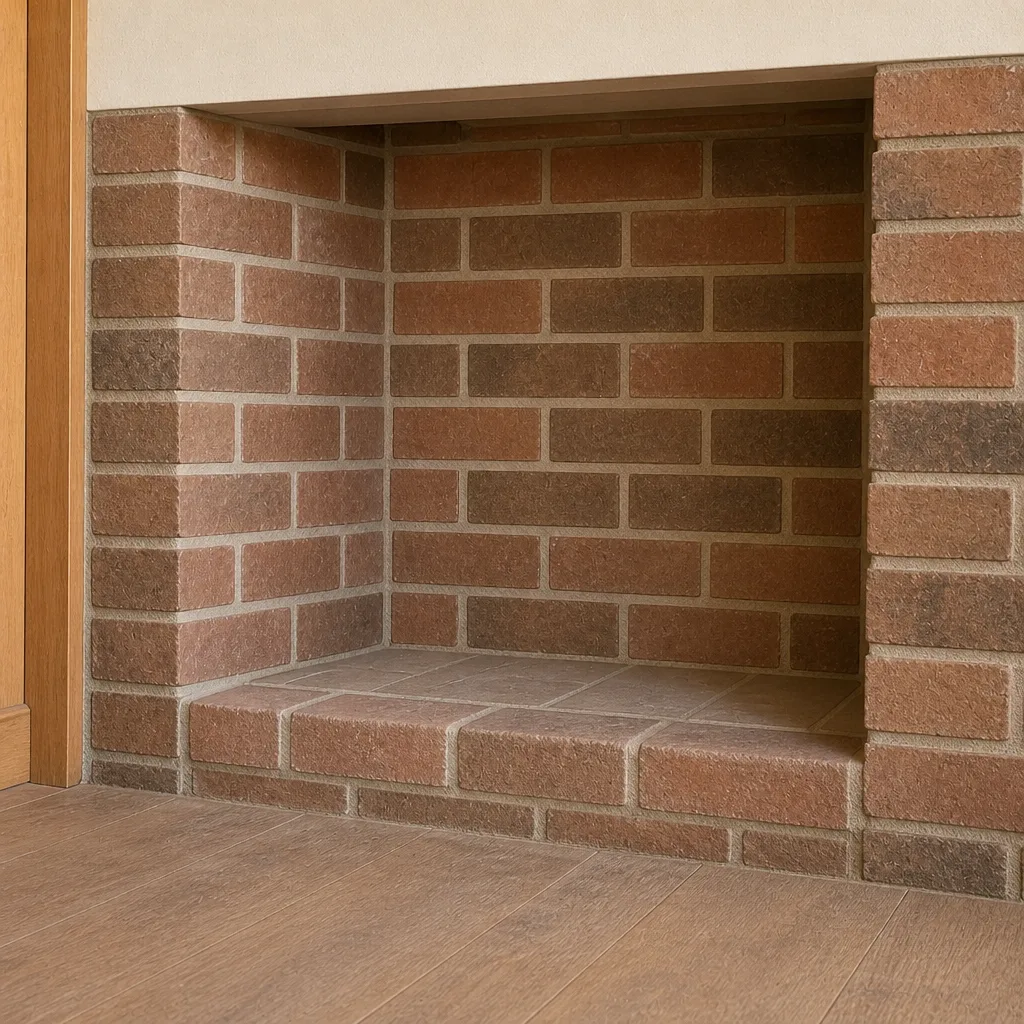
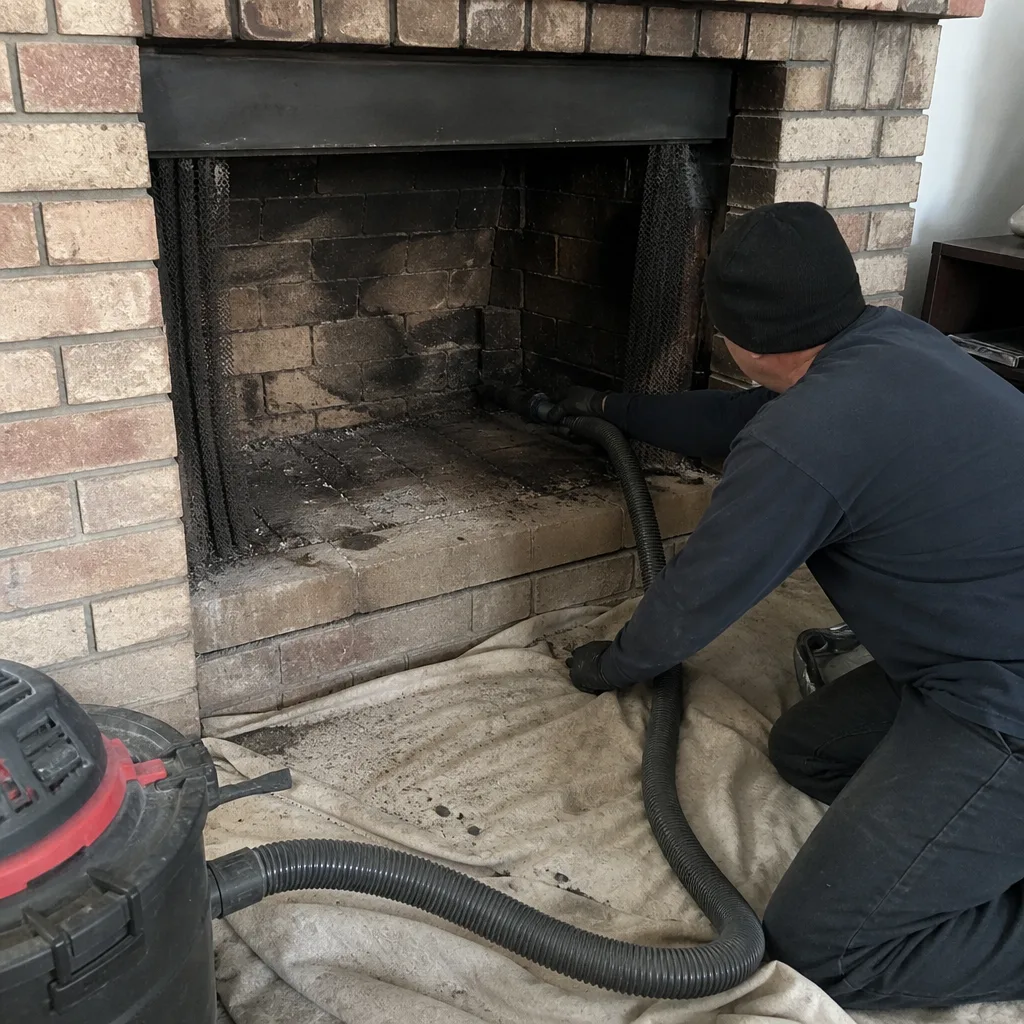
See the difference
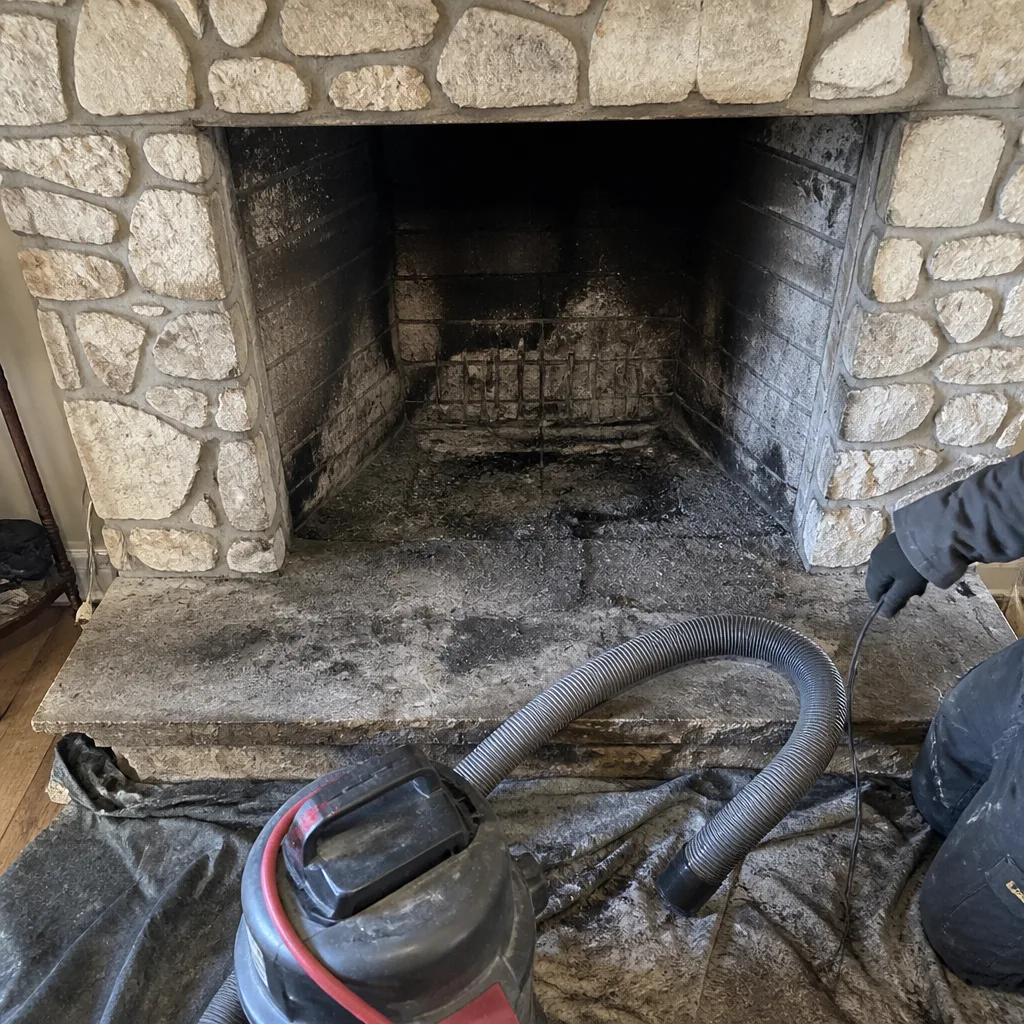 Before
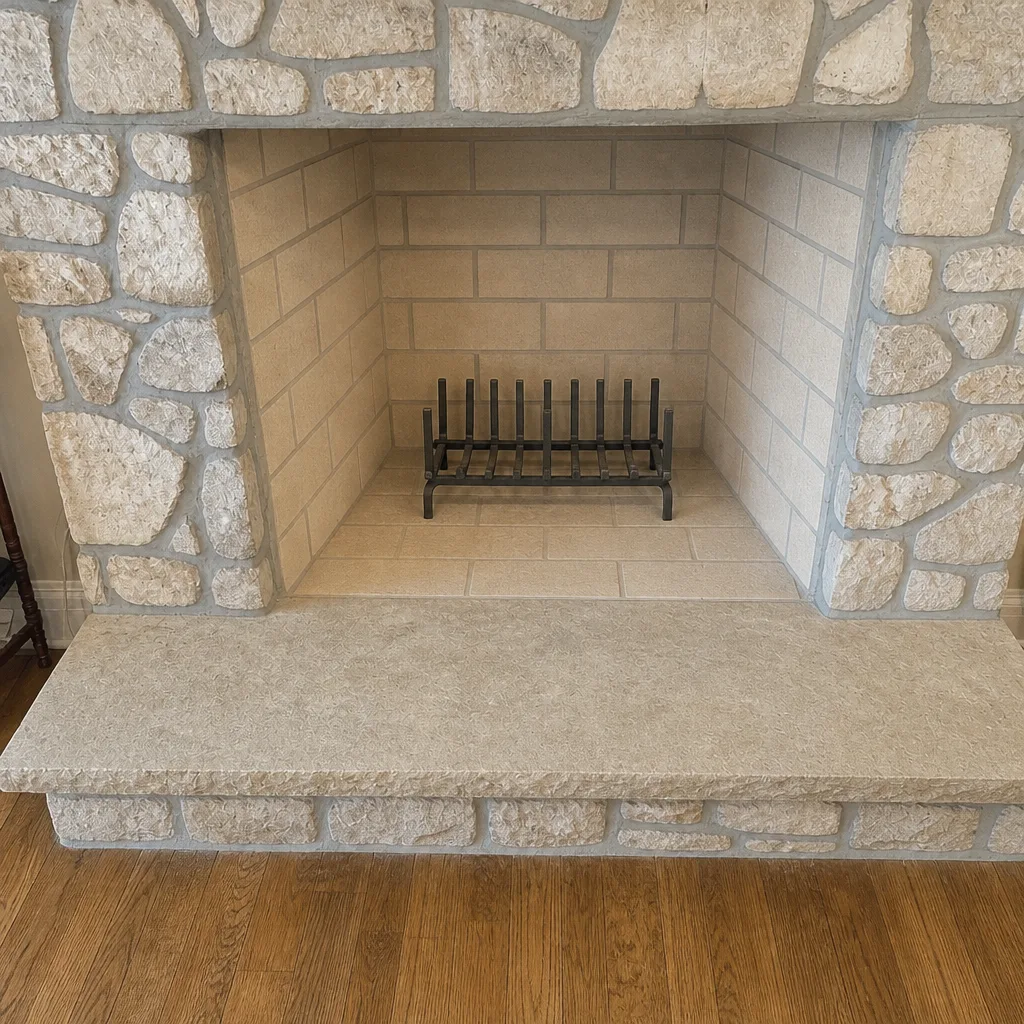 After
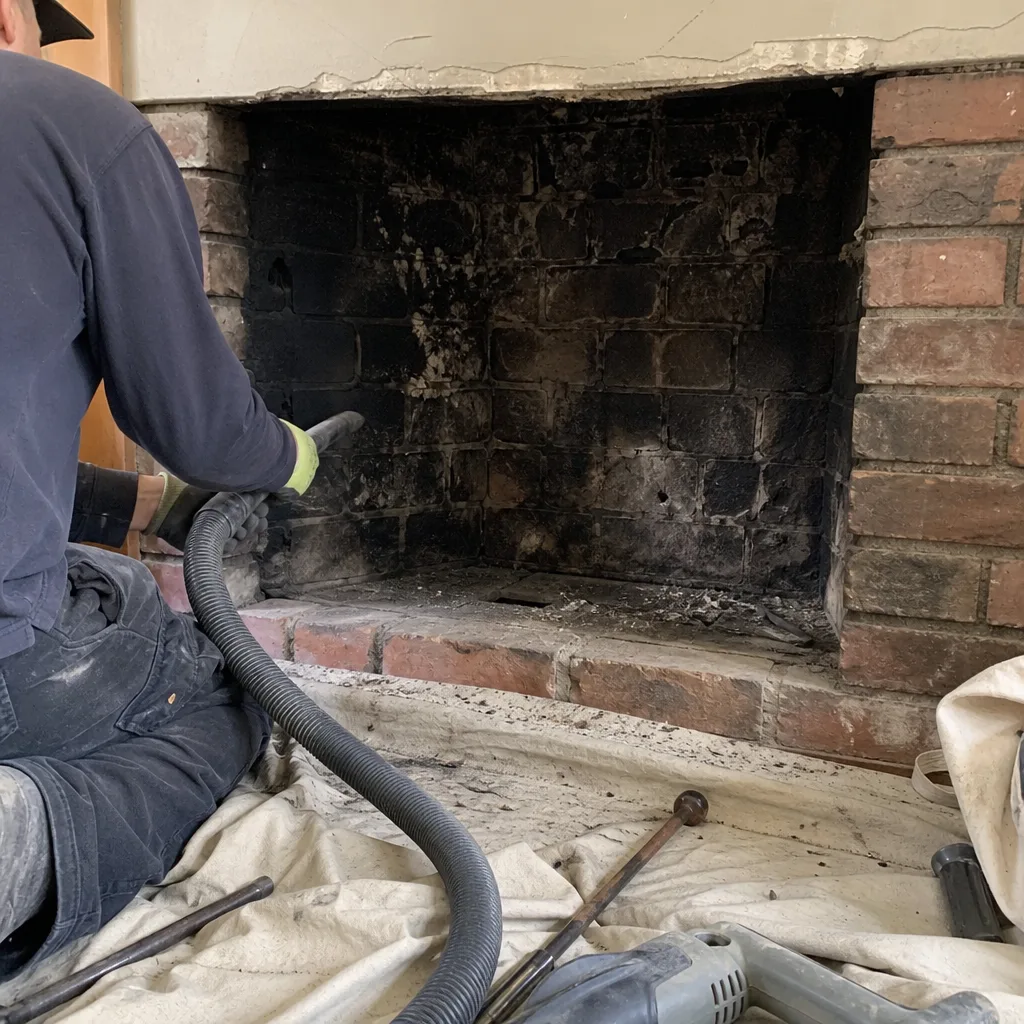 Before
 After
 Before
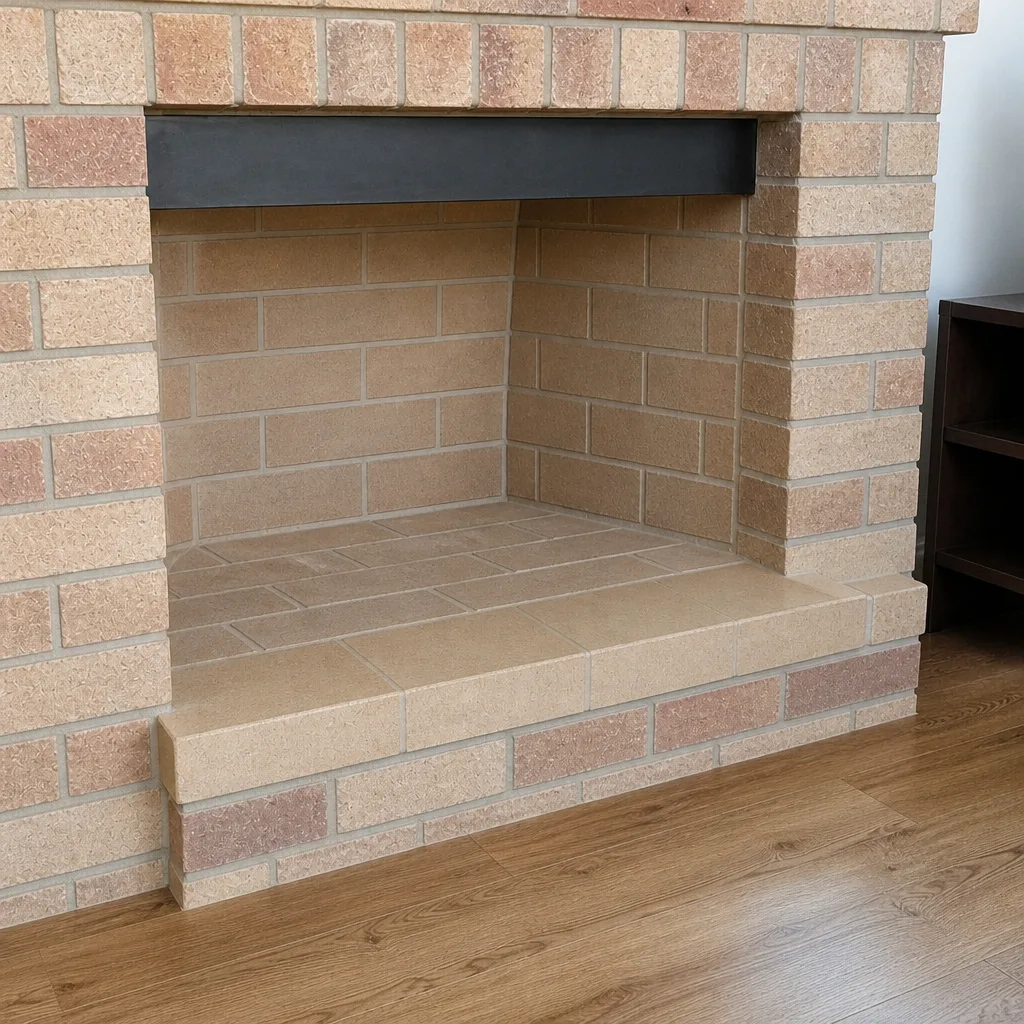 After
When to Call a Professional
Call a professional when you see or smell something that suggests the flue or venting is compromised, when you’ve had a chimney fire even if it was brief, or when you notice smoke backing up, water staining, or glazed creosote. Also call before you plan a repair based on what a previous sweep told you: ask for the visual evidence and a written report. If you’re not sure which tier of the frequency matrix you’re in, a single inspection answers it. Paragon Chimney Sweep offers free estimates in Sunrise Manor. Call (833) 486-5098. We answer 24/7. Fast dispatch from 7am to 7pm, Sunday through Friday. Our technicians have up to 14 years of experience, and every recommendation comes with camera evidence you can see for yourself.
Frequently Asked Questions
In Sunrise Manor, a chimney should be inspected once a year and swept whenever the inspection finds a quarter inch or more of creosote, which typically means once a season for moderate to heavy users and roughly annually for light users. The short, intense burn season here builds deposits quickly, so heavy burners often need two sweeps. Call (833) 486-5098 for an exact assessment of your chimney.
Pricing is set per job by a written estimate, and the estimate is free, so the exact number depends on your chimney’s size, condition, and how much buildup is present. A lighter buildup needs a shorter visit than a glazed flue that hasn’t been serviced in years. Call (833) 486-5098 for a free estimate.
Yes. Annual inspection is about more than buildup; it’s the check that catches cracks, failed parging, water intrusion, and draft problems that can develop even with light use. Skipping it for years is how small issues become expensive repairs. Call (833) 486-5098 to book an inspection.
A sweep removes creosote and debris; an inspection assesses the whole venting system and tells you the condition of the liner, smoke chamber, damper, crown, and flashing. The inspection is annual. The sweep frequency follows what the inspection finds. Call (833) 486-5098 to schedule both together.
Creosote keeps accumulating, and in the later, glazed stages it can ignite, which risks the liner and the structure. A blocked or damaged flue can also send carbon monoxide into the living space. Neither is visible from the room, which is why the annual inspection is the safeguard. Call (833) 486-5098 for a free estimate before the season.
Before the season, ideally, so the flue is clear when burn season arrives, with an end-of-season inspection to catch the state of the flue while deposits are fresh. That post-season timing also gives you the summer to complete any liner repair or relining with HeatShield or DuraFlex before the cold returns. Call (833) 486-5098 to book your visit.
The Bottom Line
The best schedule for a Sunrise Manor chimney isn’t a single date. It’s an annual inspection paired with a sweep interval set by your burn frequency, your fuel, and what the inspection actually finds in the flue. Track your cords, check the parts you can safely see, don’t reach into the flue or the roof, and keep a CO alarm working on every level. The short, hot burn season and the dry, variable summers here make timing matter, and the frequency matrix in this guide is a starting point you can take to the conversation. For a system that’s diagnosed, documented, and repaired under one roof, our chimney maintenance team is here to help.
Call (833) 486-5098 for a free estimate. We answer 24/7. Fast dispatch from 7am to 7pm, Sunday through Friday.
Written by the team at Paragon Chimney Sweep.